The formal accusation of poor performance and gross negligence leads to a verdict that is expected by the end of May
Compartir:
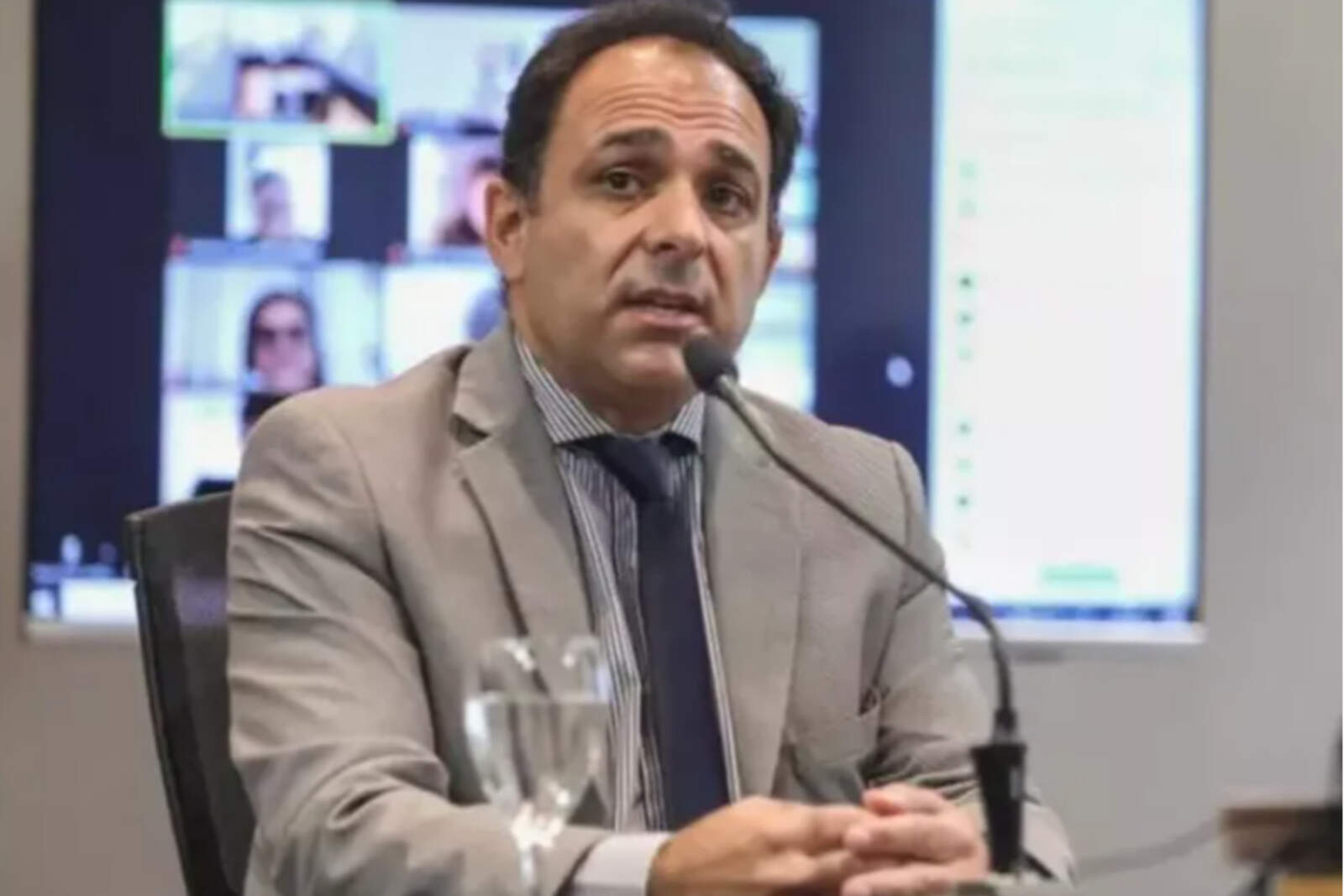
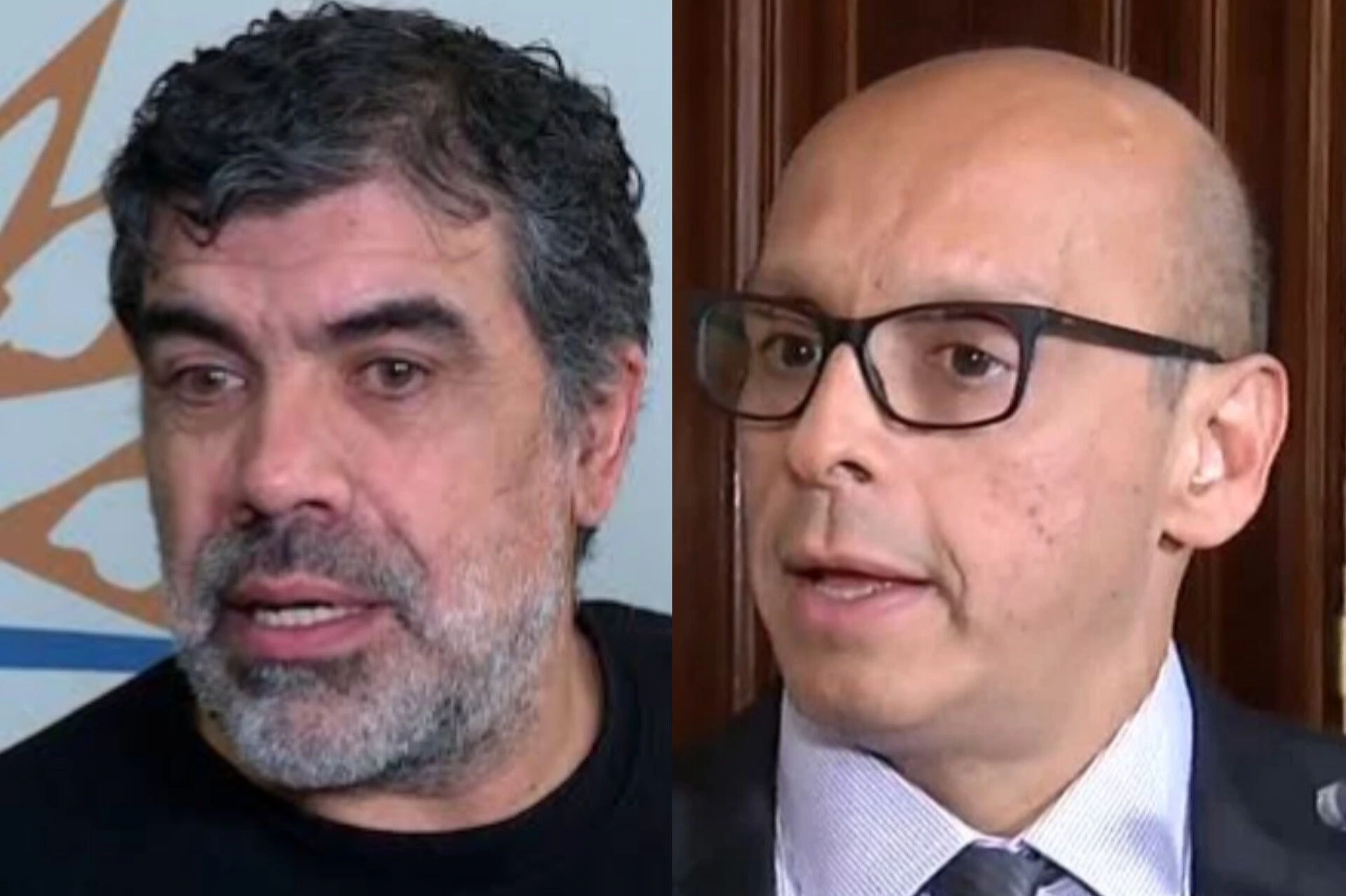
Attorney General Juan Manuel Delgado formalized the accusation against magistrates Javier Di Santo, Daniel Miralles, and Luis Pizarro for their prior work. This legal action seeks to determine whether there was gross negligence in handling the investigation into the murder of Nora Dalmasso that occurred in 2006. The Macarrón family keeps that these officials' actions prevented real progress in the case and resulted in a situation of institutional violence.
The victims' legal defense emphasizes that the accused's ineffectiveness led to a discussion on the statute of limitations for the events almost 20 years after Dalmasso's murder. In contrast, they value the recent work of Pablo Jávega, who in 2 years managed to identify positive DNA linked to the new defendant, Roberto Bárzola. The impeachment jury is expected to individually assess the responsibility of each prosecutor who intervened at different stages of the process.
The court in charge of issuing a ruling is composed of legislators Rinaldi, Torres Lima, Gispert, and Nicolás, together with Judge Aída Tarditti. Since Delgado's term ends in March, Deputy Prosecutor Bettina Croppi will be responsible for upholding the accusation in the final stage.The legal deadline establishes that the verdict must be known before May 28, complying with the 60 business days provided for this type of proceeding.
Juan Manuel Delgado, Fiscal General de Córdoba
Unprecedented judicial process and new expectations
This simultaneous jury proceeding against three prosecutors represents an unprecedented event in Córdoba's judicial history due to the magnitude of the alleged failures. According to attorney Mariángeles Mussolini, "the Macarrón family's expectation is that the removal of the three prosecutors will be granted" due to their poor institutional performance. The court has only two possible paths to decide the defendants' future: order their immediate removal or confirm their continuation in office.
The Dalmasso case is going through an extreme peculiarity at the institutional and media level that makes it difficult to find similar precedents in the province. Currently, the Supreme Court of Justice must rule on an appeal for annulment that requests the non-application of the statute of limitations to the criminal action in order to go to trial. If this request succeeds, an ordinary trial could begin against Bárzola based on the scientific evidence collected by Jávega's prosecutor's office.
The plaintiffs insist that the lack of results for almost two decades is not due to technical nuances but to a deficient prosecutorial investigation. This proceeding seeks to set a precedent regarding officials' responsibility in cases of high social impact and prolonged impunity over time. The jury's decision will be decisive for the institutional system's credibility and the definitive clarification of the murder committed in November 2006.