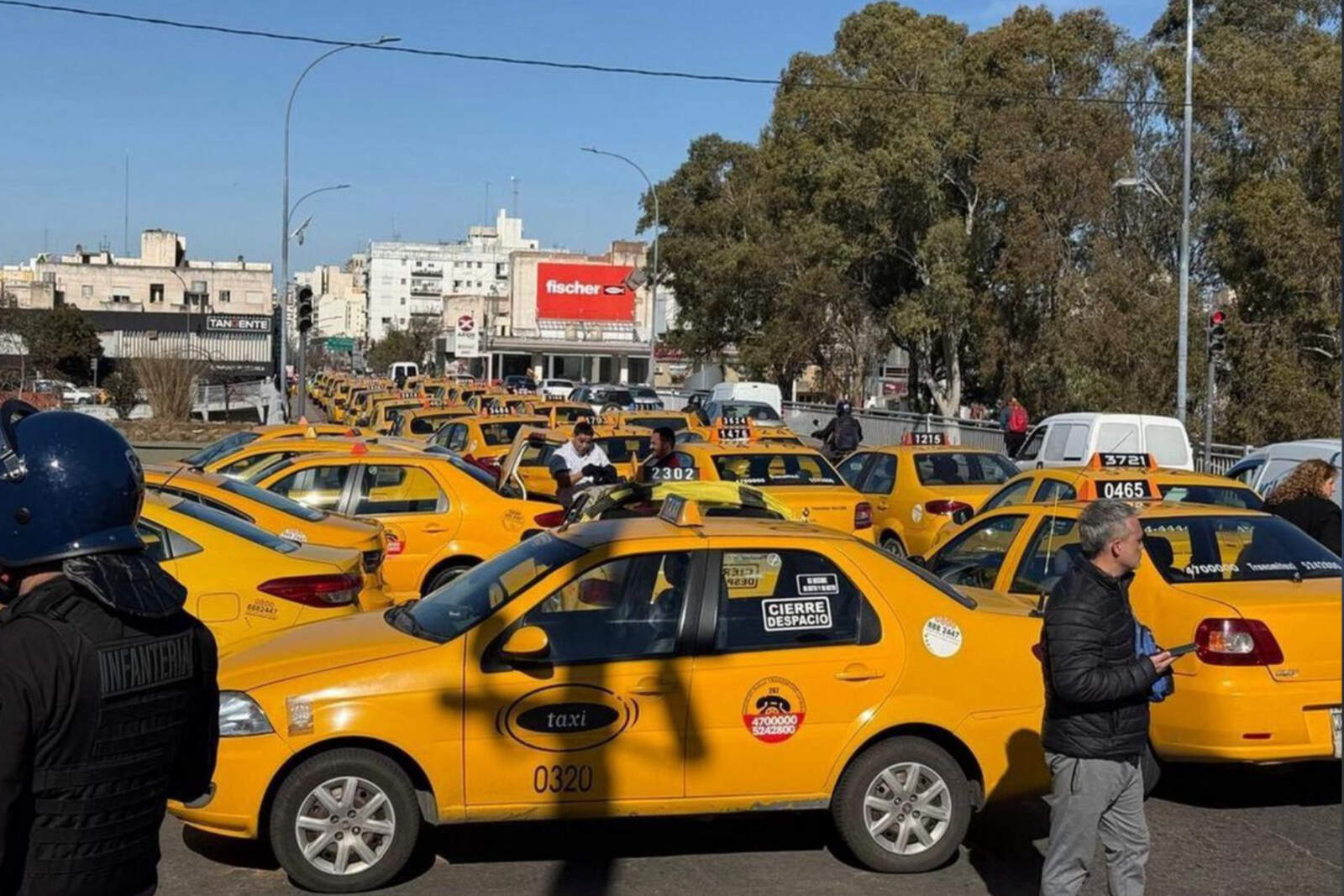
The union reported that the platforms did not register as required by the ordinance and demanded stricter municipal controls
Compartir:
The Córdoba Taxi Workers' Union asked the municipality to urge the courts to block Uber and DiDi. They believe these companies operate without complying with current regulations. The request was submitted four months after Ordinance 13,549 came into effect, which requires platforms to register in a specific registry to provide the service.
The union's general secretary, Miguel Arias, stated that the goal is "to protect the activity and the lives of citizens" in the face of incidents involving unauthorized drivers. The leader maintained that, despite the deadlines granted and the regulations in force for a month, the platforms "have not come forward nor do they show any intention of doing so." The union asserted that the lack of registration represents an operational risk and creates uncertainty for users and workers in the sector.
Arias argued that the continued operation of the apps under these conditions constitutes "unfair competition." This is because, according to him, they operate without contributions, without the required documentation, and without the controls that apply to authorized taxis. However, all the apps strictly require all the aforementioned documentation before beginning to operate.
Los choferes de apps enfrentaban multas, demoras y una presión constante.
Inspections always focused in the same direction
The union insists that inspections are lacking, although app drivers recall years of operations aimed almost exclusively at targeting them. While new oversight tools were promised, selective checkpoints were abundant on the streets. What was missing, they say, was a clear and balanced approach.
According to Uber, DiDi, and Cabify drivers, the supposed "absence of inspections" is hard to sustain when they were stopped daily to verify basic documents. Authorized workers in the traditional system continued their routines without major obstacles. In contrast, app drivers faced fines, delays, and constant pressure.
Arias speaks of a lack of government response, but for digital drivers, the problem has always been the excess, not the lack, of inspections. The ordinance set rules that were enforced with particular rigor on them. Meanwhile, the union denounces a lack of control, but drivers recall that, for the platforms, working meant overcoming checkpoints, paperwork, and sanctions for irrelevant details.
La presentación ante el municipio busca que se establezca un orden operativo claro y que se definan mecanismos de supervisión acordes a la normativa.
Request for urgent measures and compliance with the ordinance
The union asked the Municipality to file a judicial request to block Uber and DiDi until they regularize their situation. For the union, the ordinance has already met all its deadlines and now the municipality must ensure effective enforcement of the law. Arias insisted that it can't be allowed for unregistered actors to continue providing service without inspections while formal transportation faces greater demands.
The union reiterated that the registration process is essential to determine responsibilities and ensure minimum conditions for users. The request to the municipality seeks to establish a clear operational order and to define oversight mechanisms in accordance with the regulations. The union warned that the lack of concrete actions could intensify tensions and make coexistence between formal service and digital platforms more difficult.