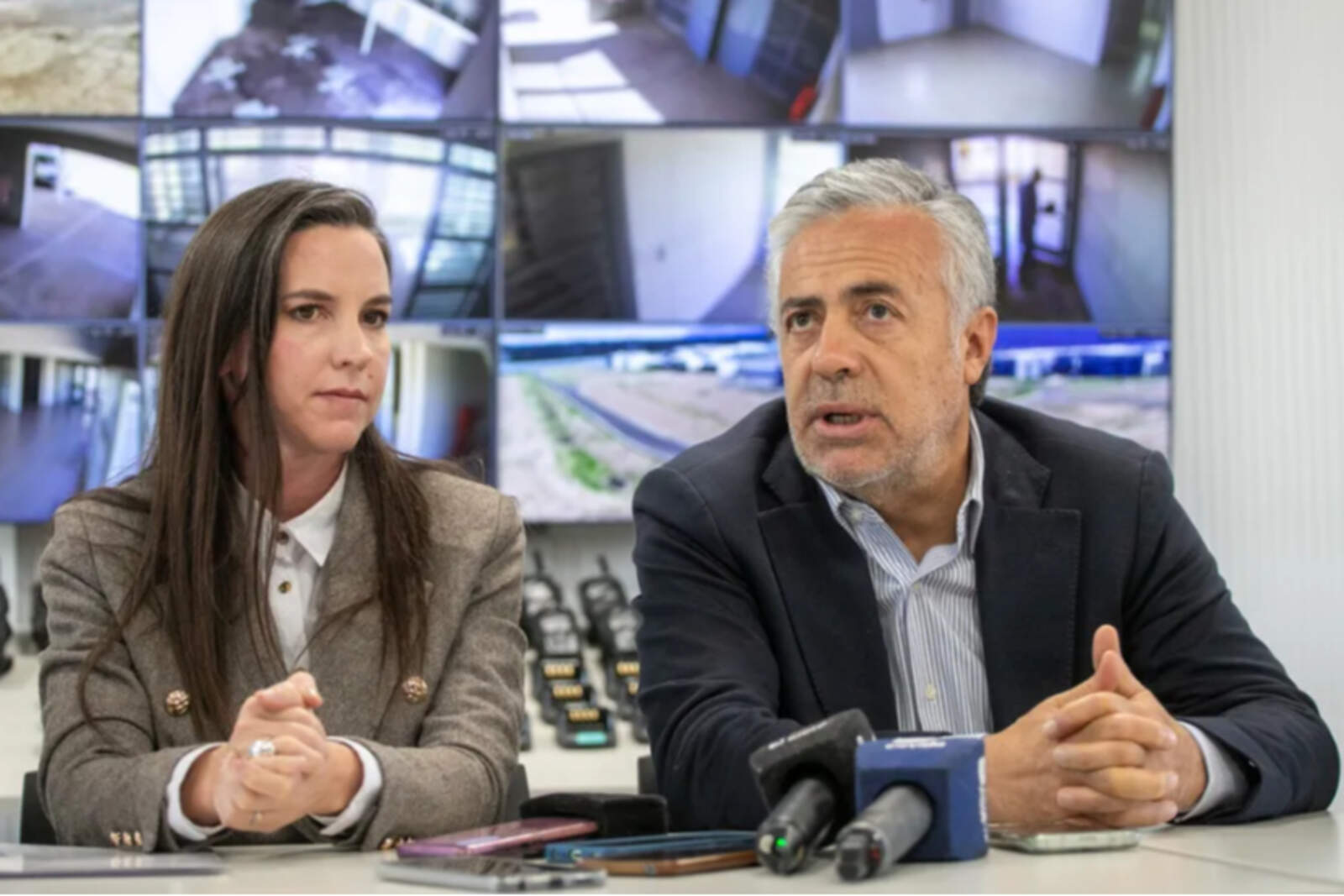

The governor of Mendoza, Alfredo Cornejo, harshly criticized a document prepared by the Human Rights Directorate of the Supreme Court of Justice, which contains a series of recommendations on how the provincial police should act in the face of public demonstrations. For the head of government, it is an office that doesn't have operational powers, represents an unnecessary expense for the State, and intends to interfere in responsibilities that correspond to the Executive Branch.
"They are some no-shows who earn very well", stated Cornejo when referring to the members of the area, and he cast doubt on the concrete usefulness of a judicial department that, as he pointed out, issues suggestions without having direct responsibility for public safety or being accountable to the citizenry.
Defense of political authority and of the role of the Police
The challenged document proposes guidelines for "police intervention in the exercise of the right to protest", defines the force as an exceptional resource, and is based on international standards from organizations such as the UN, the OAS, and Amnesty International. However, from the provincial Executive they consider that the Mendoza police already has its own protocols, adjusted to current legislation and to the local reality.
In that regard, Cornejo was categorical in recalling that, according to the provincial Constitution, the governor is the political chief of the police and has the responsibility of guaranteeing public order. "I am the chief of the police, elected by the people, and I am going to give them full backing so that they enforce the law," he maintained.