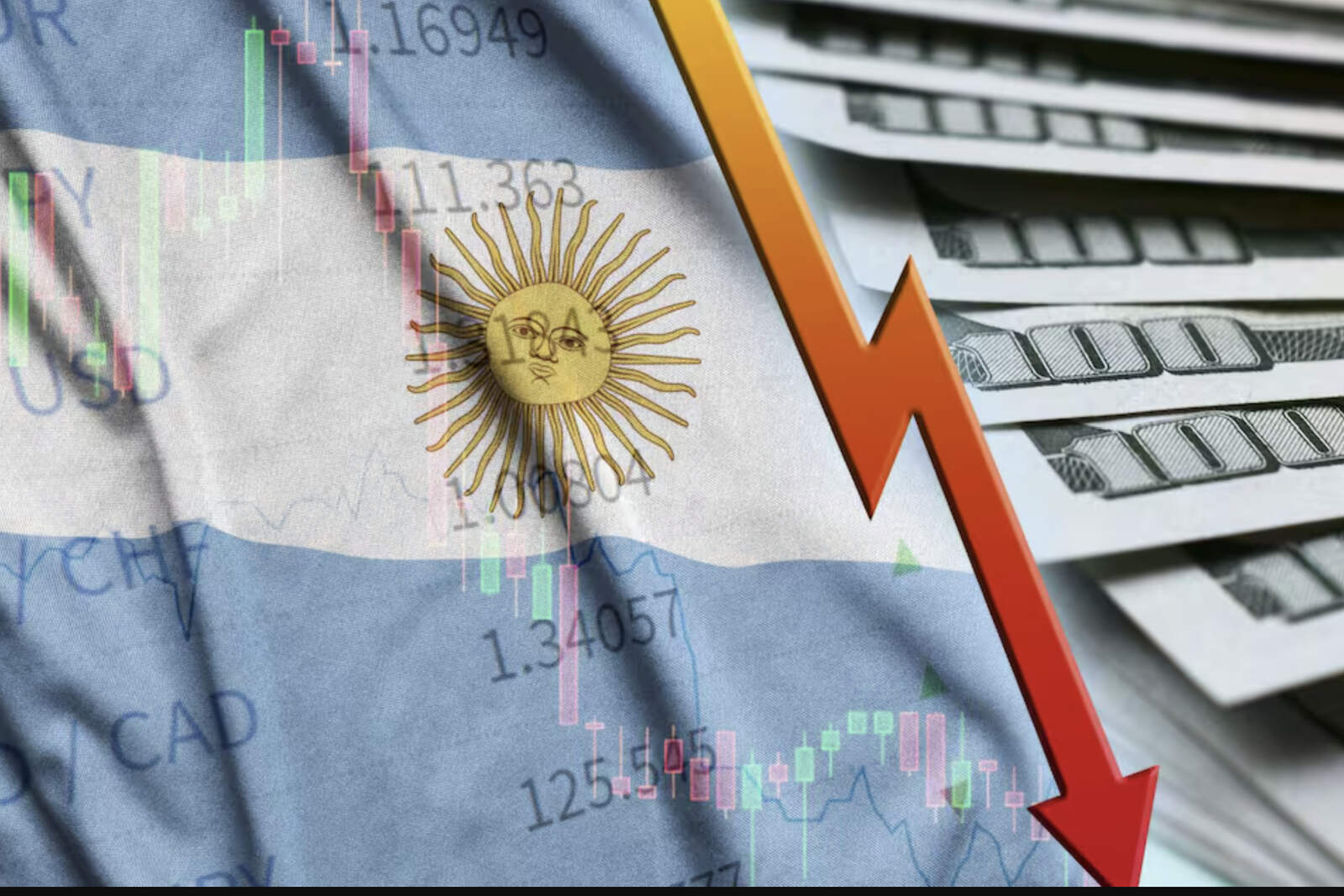
The Argentine country riskdropped this Wednesday to 621 basis points, its lowest level in ten months, driven by the rally in sovereign bonds and growing investor confidence following the electoral victory of Javier Milei's government in the midterm elections. The index, compiled by JP Morgan, has fallen by more than 450 points since the run-up to the elections, when it hovered around 1,081 points.
Se desploma el riesgo país tras ganar las elecciones y vuelve el crédito externo
The improvement in prices reflects a recovery in the perception of governability and economic direction, while expectations are rising for a possible return of Argentina to the international debt market.
Argentine bonds lead the recovery
Public securities extended their positive trend, with increases of up to 3.5% in GD46D, driving the drop in country risk. The indicator now stands just 61 points above the Milei era low, recorded in January 2024, before the risk curve approaches.
Country risk measures the probability of a country defaulting on its creditors and is calculated by comparing the yield of U.S. Treasury bonds, considered risk-free, with that of Argentine sovereign bonds.
According to estimates from analysts and investment banks, Argentina should reduce the indicator below 500 basis points on a sustained basis to regain access to international credit at reasonable rates, something that hasn't happened since 2018 but now seems to be approaching reality.
Javier Milei
Optimism after the libertarian victory
The market's mood shift began after the consolidation of officialist governability in Congress, which reactivated global funds' interest in Argentine assets.
The intervention of the U.S. Treasury, which injected about USD 2.1 billion before the elections, and the announcement of a USD 20 billion swap also played a role, operations that reduced exchange rate volatility and financial uncertainty.
JP Morgan's report also highlights that, once the international financial support for USD 20 billion is finalized and the debt buyback promoted by the Ministry of Economy advances, Argentina could reopen access to credit and significantly reduce financing costs.
Javier Milei junto a Jamie Dimon, CEO de JP Morgan
For the Government, this possibility is key: in January and July 2026, payments of more than USD 8.4 billion to external creditors are due. If country risk continues to fall toward the 300/400-point range, the Treasury could refinance those commitments without resorting to the use of reserves.
The market's view and the international agenda
From Cohen, analysts warned that the improvement in the indicator "paves the way for companies and provinces to access external financing, although the Treasury will have to present a solid plan to reverse the decline in reserves and eliminate exchange controls that still affect exporting firms."
Meanwhile, Milei and Minister Luis Caputo traveled to the United States to meet with investors and global funds, aiming to strengthen confidence and attract capital.
Milei y Caputo.
The future of Argentine assets will depend on the legislative progress of structural reforms and the outcome of the international efforts undertaken by the Executive.
Due to the celebration of Bankers' Day, local financial activity will be limited this Thursday: BYMA reported that there will be trading operations, but no asset settlement.