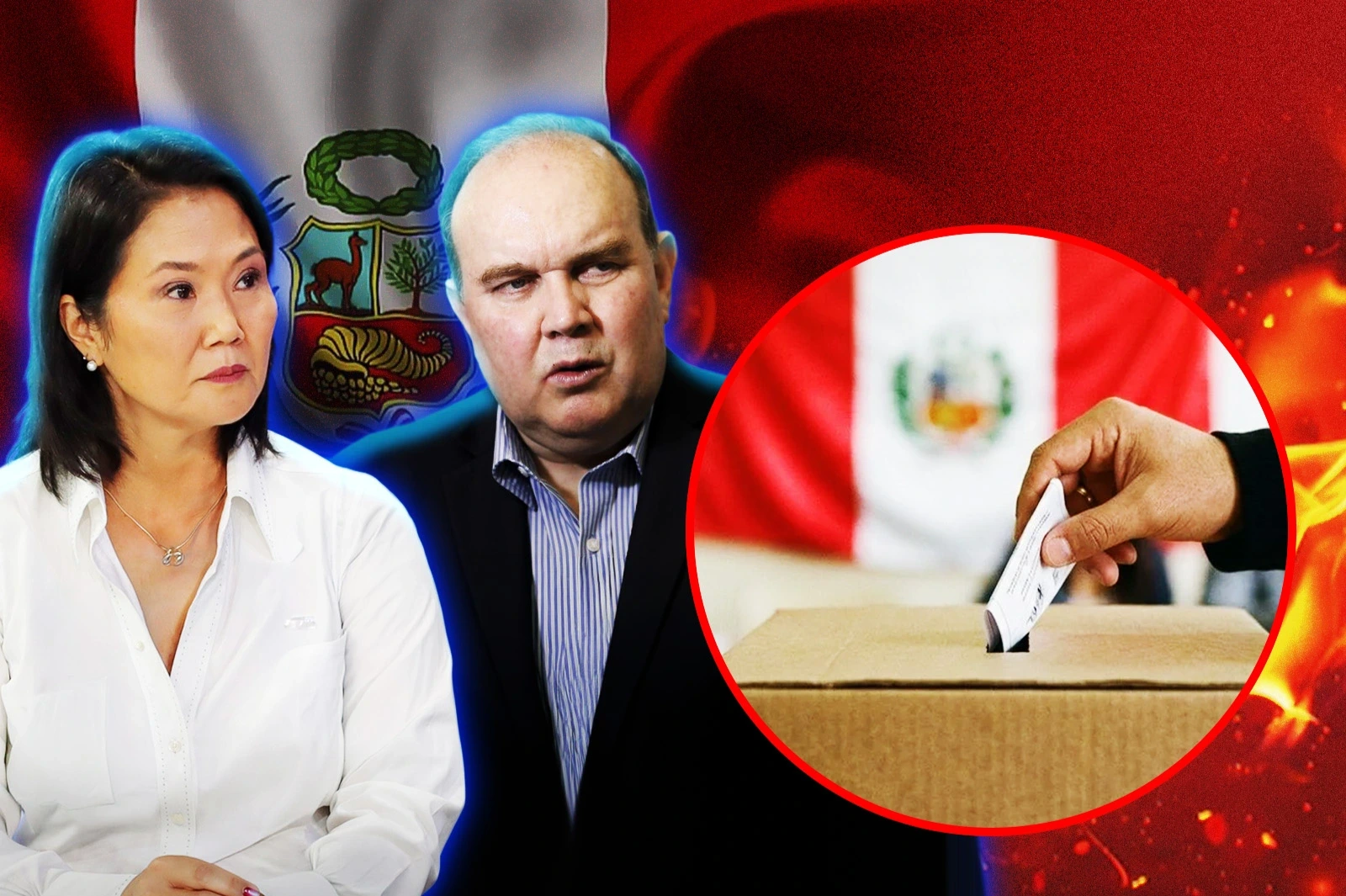
More than a week into the electoral process in Peru, the counting of votes has not ended and Peruvians are taking to the streets to demand a response from the authorities.
More than a week after the general elections in Peru, the counting process has not yet ended, raising questions about the efficiency of the National Office for Electoral Processes (ONPE) and increasing political uncertainty in the country. The delay keeps the second candidate who will move on to the second round undefined, despite the fact that the results already exceed 90% of the recorded minutes
.
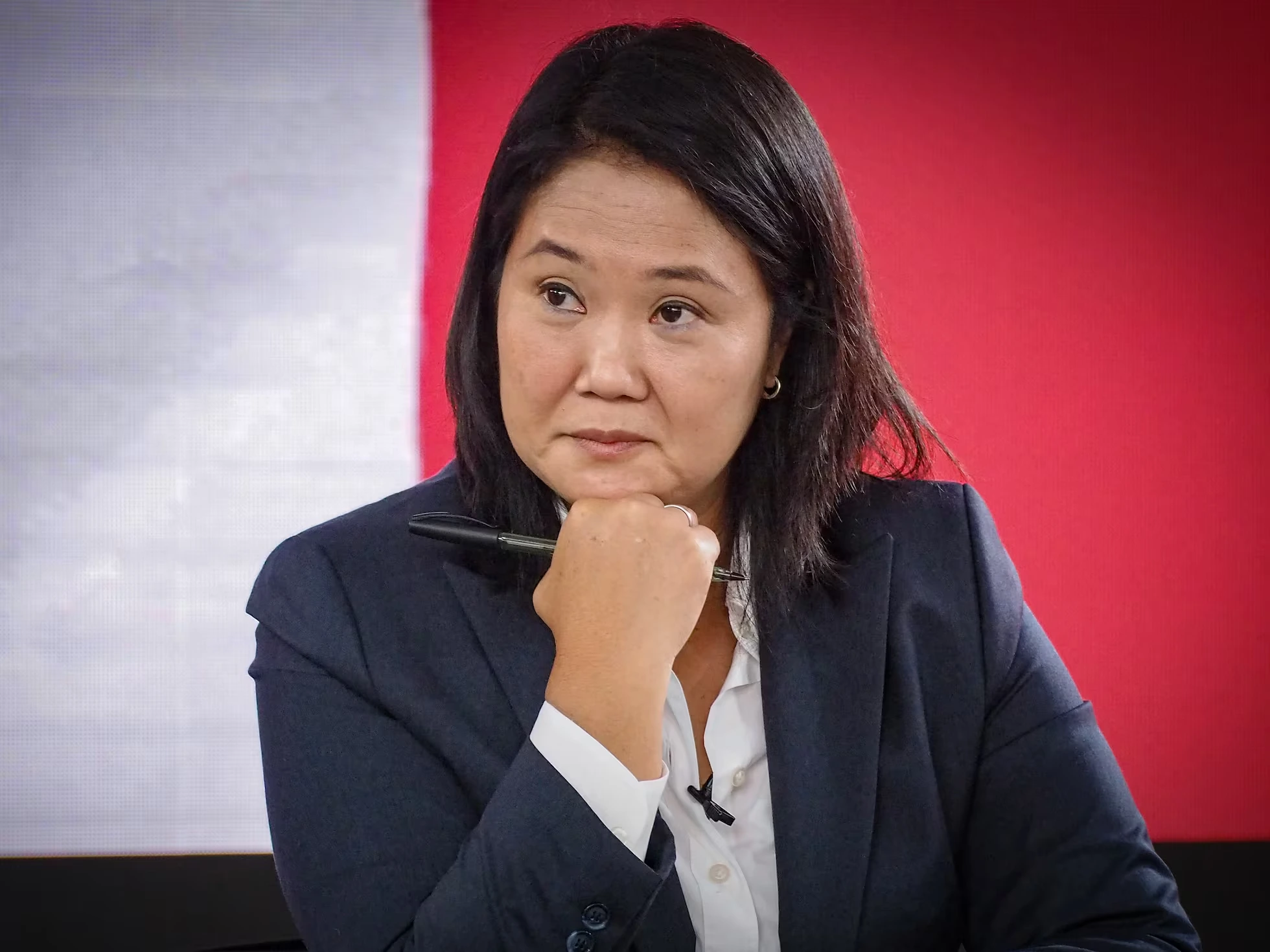
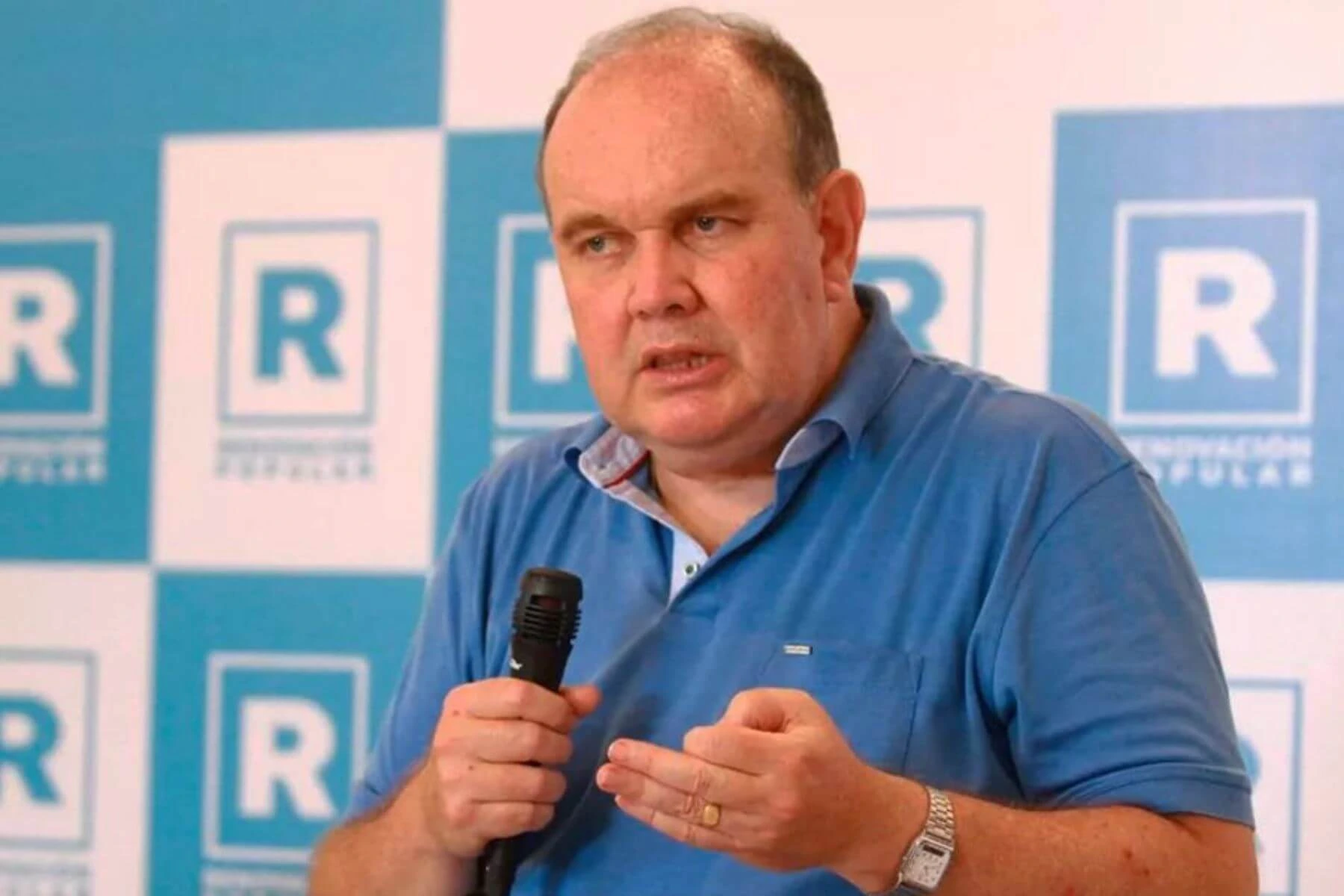
So far, the Popular Force candidate, Keiko Fujimori, has secured her place in the ballot. However, the dispute for second place is still open between the communist Roberto Sánchez, from Together for Peru, and the right-wing Rafael López Aliaga, from Popular Renewal, separated by an approximate difference of 10,000 votes. The definition will depend on the resolution of the records observed, many of which contain requests for annulment
or challenges.
From the National Elections Jury (JNE), its general secretary, Yessica-Clavijo, estimated that the final results could be announced around the fortnight of May. As he explained, the delay is due to the time it takes to process the observed records, which arrive in physical format and must be digitized, evaluated and notified before being incorporated into the official count. This procedure can take an average of three days per record, which has significantly slowed down the progress of the counting
. Keiko Fujimori already has a guaranteed place in the ballotage to be held in the month of June, according to projections
However, one of the main points of criticism has been the delay in the delivery of these minutes by the ONPE. Clavijo indicated that, so far, the JNE has received about 15,000 records observed, when the total could be two or three times higher. This situation has been identified as a key factor in the general delay of the process, evidencing logistical and coordination limitations that affect the transparency and timeliness of the
results.
In parallel, the president of the JNE, Roberto Burneo, reported that there are at least 85 requests for electoral annulment due to alleged irregularities in the elections of April 12. These include both partial and total requests in different jurisdictions. Burneo warned that, if necessary, more far-reaching measures could be taken to ensure the cleanliness of the process, a possibility that increases tension on the political scene
.
Uncertainty has also moved to the streets. In Lima, supporters of Rafael López Aliaga staged a mobilization in the district of Jesús María, near the Campo de Marte, under the slogan of a “March for Democracy”. The mass rally brought together a large number of people and took place with a police presence and traffic restrictions, reflecting the growing discomfort of a sector of citizens in the face of the electoral process
. Rafael López Aliaga, whose supporters gathered in the capital of Peru to protest transparent elections, is fighting for second place in the ballotage
During the day, direct criticism was expressed of the ONPE and its boss, Piero Corvetto, who is responsible for the irregularities in the counting of votes. Although the electoral body has indicated that many requests for annulment do not meet established requirements or present sufficient evidence, the perception of mistrust continues to spread
.
The current scenario highlights structural problems in electoral management. While review and appeal mechanisms are part of the legal framework, slow implementation and lack of timely results have weakened the credibility of the process. The ONPE faces questions not only because of the delay in counting, but also because of its capacity to respond to a situation of high
political sensitivity.
As the estimated date for the publication of the final results approaches, pressure on electoral authorities increases. The legitimacy of the second round will depend to a large extent on whether the process ends with transparency, efficiency and clarity, in a context marked by polarization and the citizen's demand
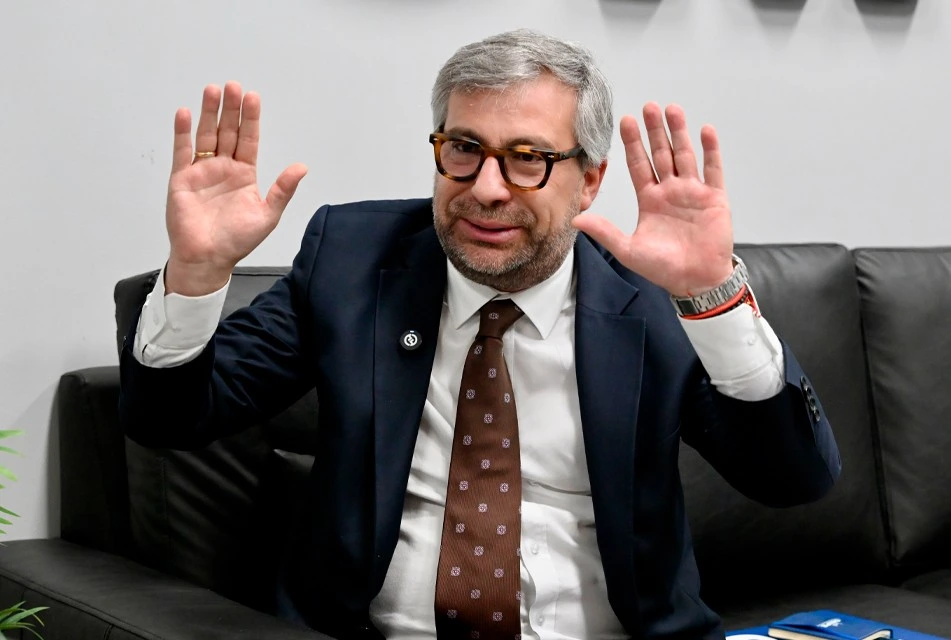
for democratic guarantees. Piero Corvetto, head of the ONPE, has been the target of strong criticism for the slowness of the counting process