The mayor of the New York City of Buffalo signed a decree in which he prohibits the police from cooperating with the immigration service authorities
Compartir:
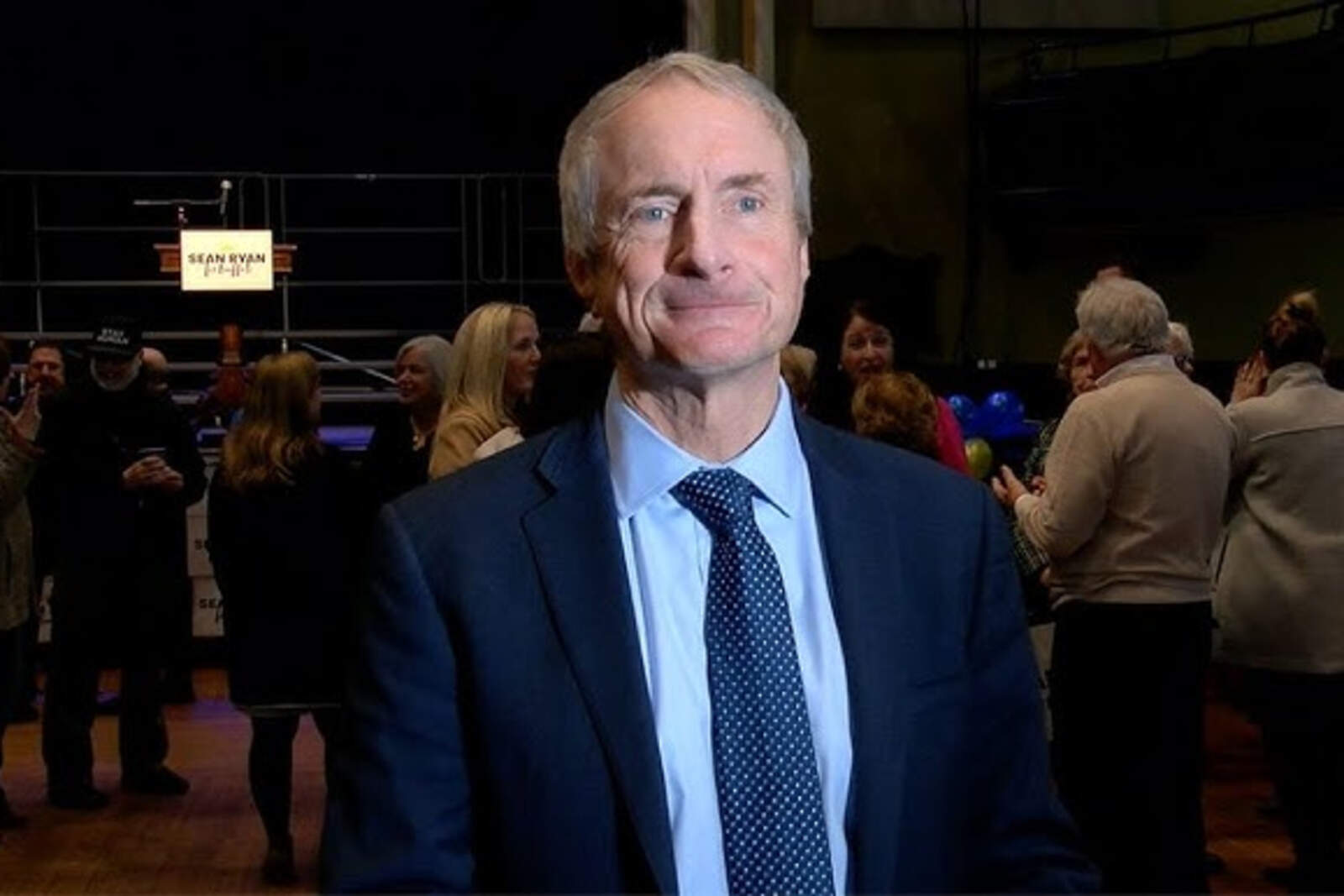
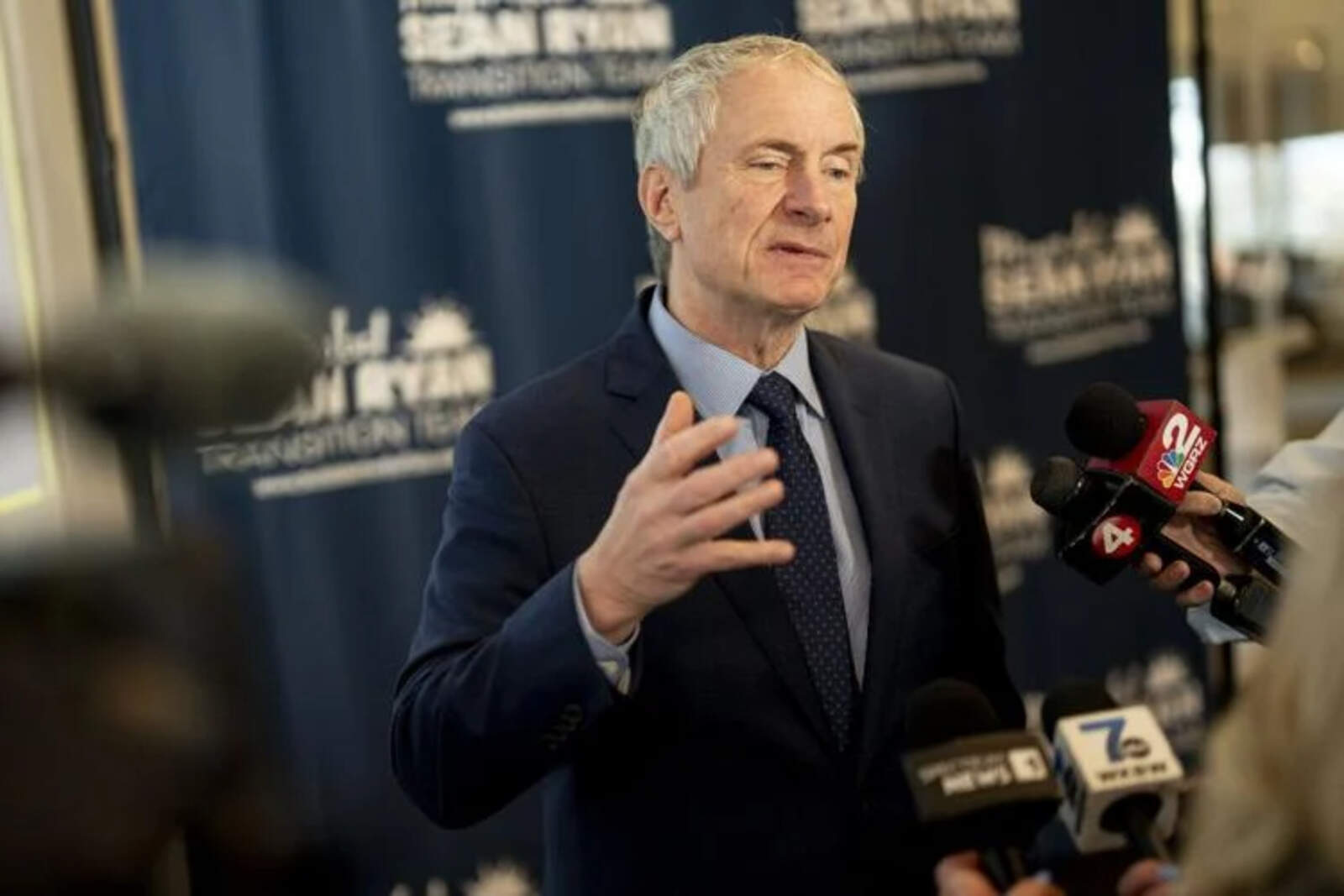
Buffalo Mayor Sean Ryan signed an executive order on Monday that prohibits local police and other municipal employees from cooperating with federal authorities in the enforcement of civil immigration laws, a decision that has drawn criticism from the federal government and from sectors that warn about possible risks to public safety.
The order states that city employees may not ask about individuals' immigration status when providing municipal services, nor share nonpublic databases with federal immigration agencies.
It also prohibits the use of municipal facilities for immigration operations and participation in cooperation programs such as 287(g), which allows local law enforcement agencies to collaborate with Immigration and Customs Enforcement (ICE).
The decree clarifies that the city will comply with court orders and will cooperate in criminal immigration cases, but it leaves all responsibility for enforcing civil immigration law in the hands of the federal government.
Sean Ryan firmó la orden ejecutiva que prohíbe consultar a las personas su estatus migratorio
Ryan defended the measure, stating that ICE's actions and those of other federal agencies have caused "fear and confusion" in communities, which, according to him, discourages people from reporting crimes or requesting basic public services.
From the Department of Homeland Security (DHS), the reaction was immediate. In a statement, a spokesperson stated that "Buffalo will be less safe as a direct result of the executive order", considering that cooperation between local and federal authorities is essential to identify and detain undocumented immigrants with serious criminal records, including gang members and violent offenders.
DHS maintained that when cities limit cooperation with ICE, federal agencies are forced to increase their direct presence in communities to locate individuals who pose a risk. According to the federal government, this type of measure doesn't eliminate the enforcement of immigration law, but it makes it more visible and potentially more confrontational.
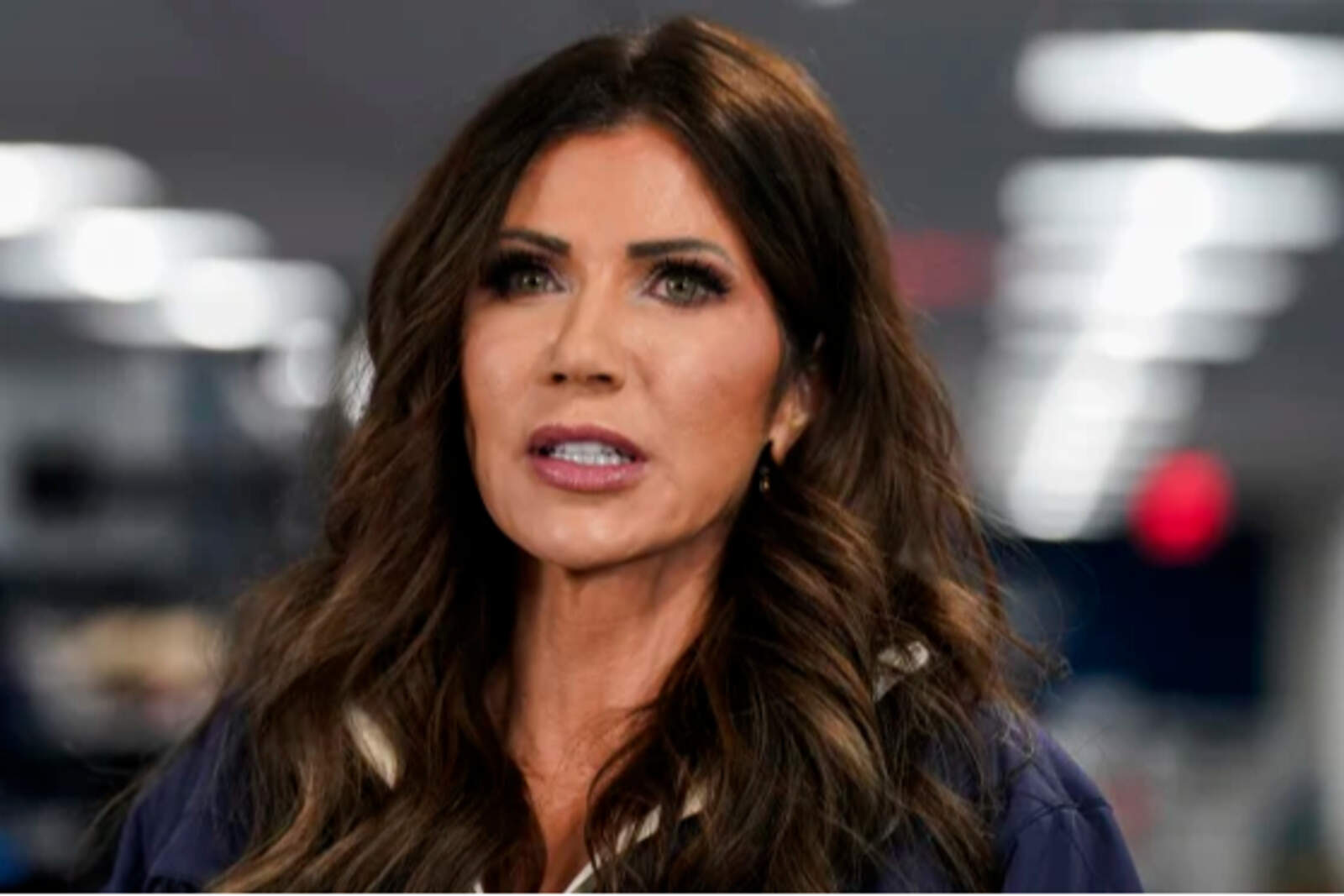
Kristi Noem, secretaria de Seguridad Nacional de los Estados Unidos
The executive order places Buffalo within the group of cities known as "sanctuary", alongside New York, Rochester, and Syracuse, which could result in financial consequences.
The federal administration has warned that jurisdictions that refuse to cooperate with the enforcement of immigration laws could face the cancellation of federal funds and contracts. New York and several of its cities already appear on official lists of jurisdictions in alleged noncompliance.
Critics of Mayor Ryan maintain that the measure responds more to a political stance than to public safety criteria. They have argued that limiting cooperation with ICE makes it more difficult to identify individuals with criminal records and weakens law enforcement's ability to protect residents.
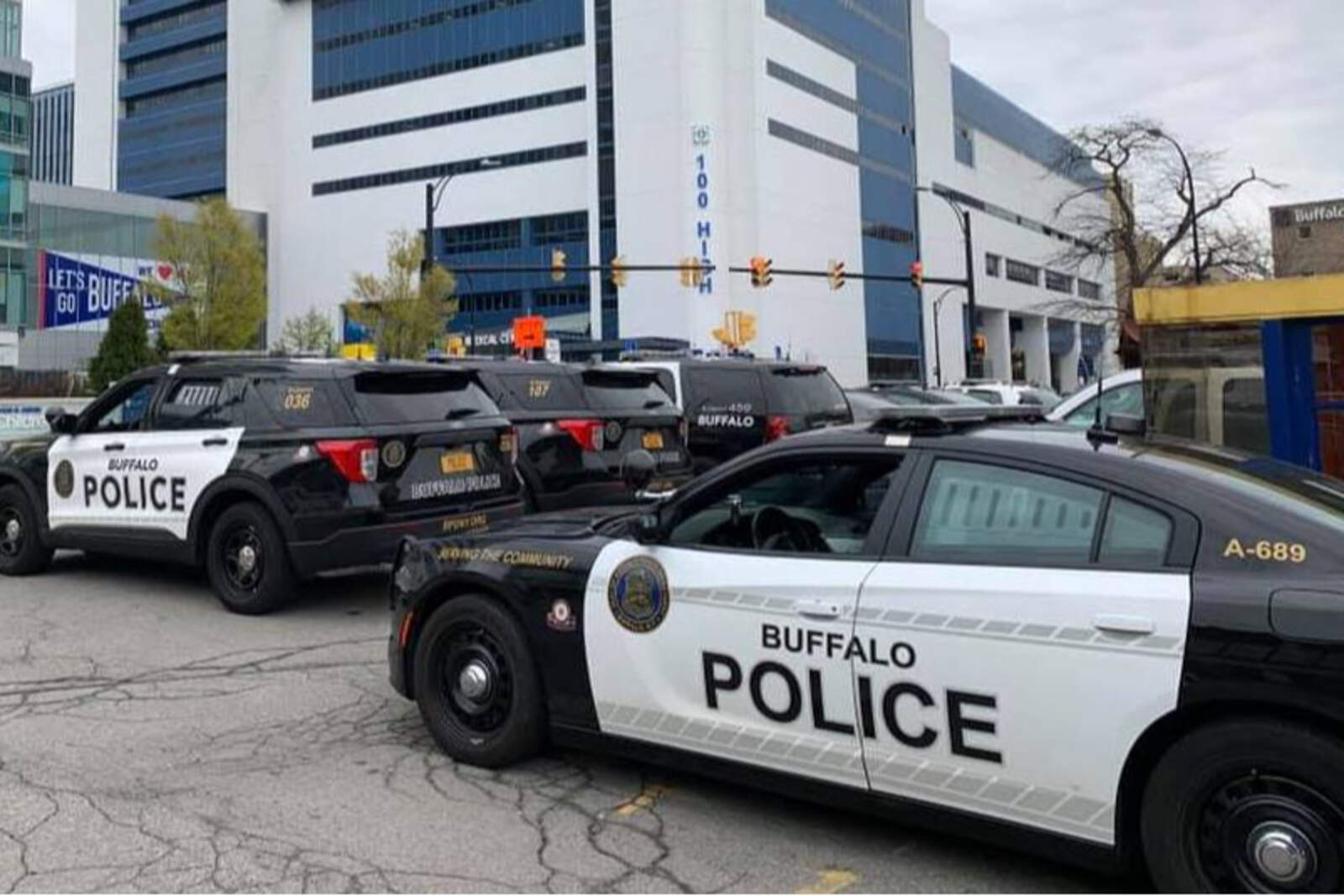
Con esta medida, Buffalo se convierte en una nueva ''ciudad santuario'' en Nueva York
In addition, they point out that in border regions such as western New York State, where immigration arrests have increased, coordination between agencies is key.
Although organizations that defend illegal immigrants and some local leaders supported the order, questions persist about its implementation and oversight. The mechanisms to sanction municipal employees who fail to comply with the rule haven't been detailed, nor has it been clarified how its impact on security will be measured.