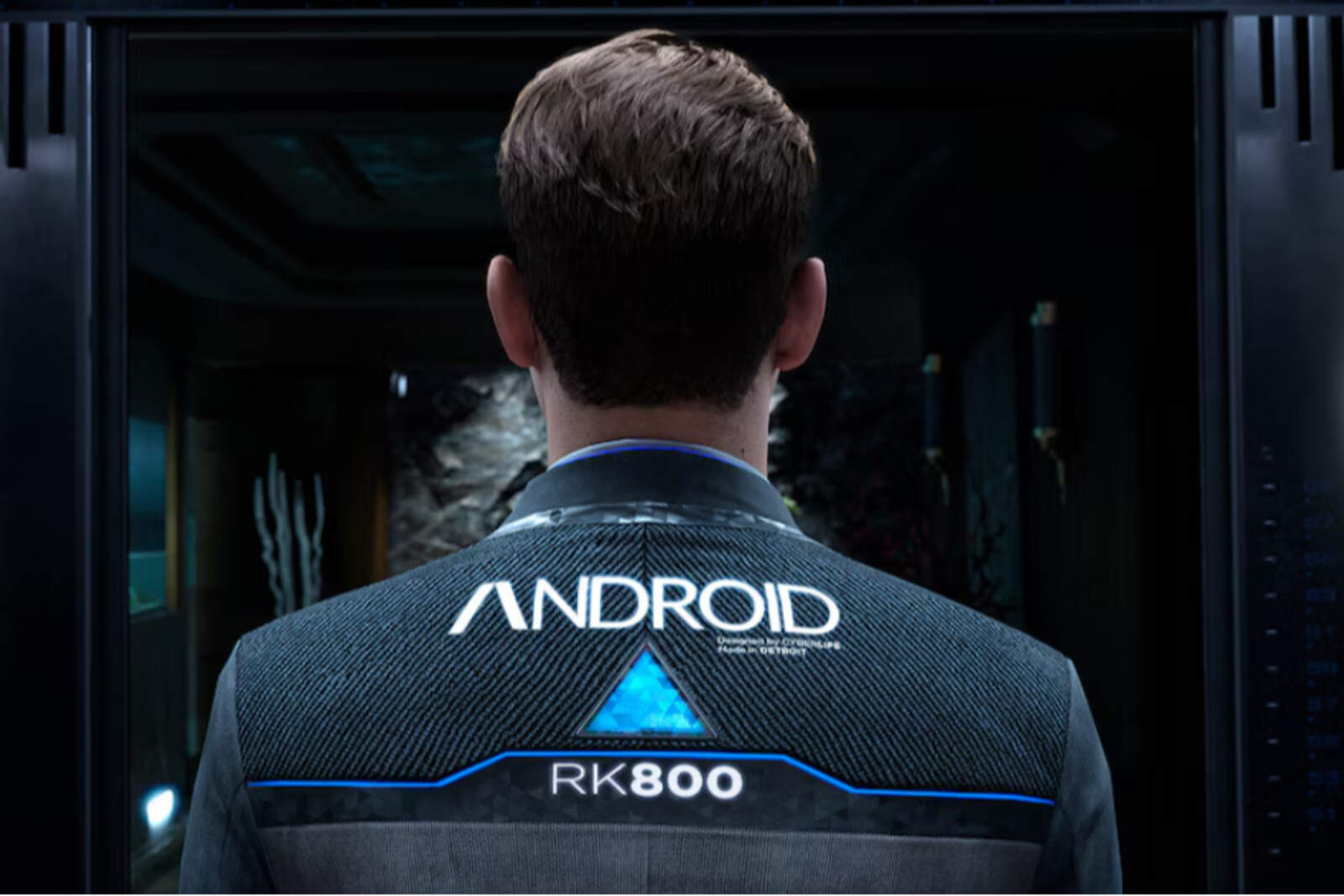
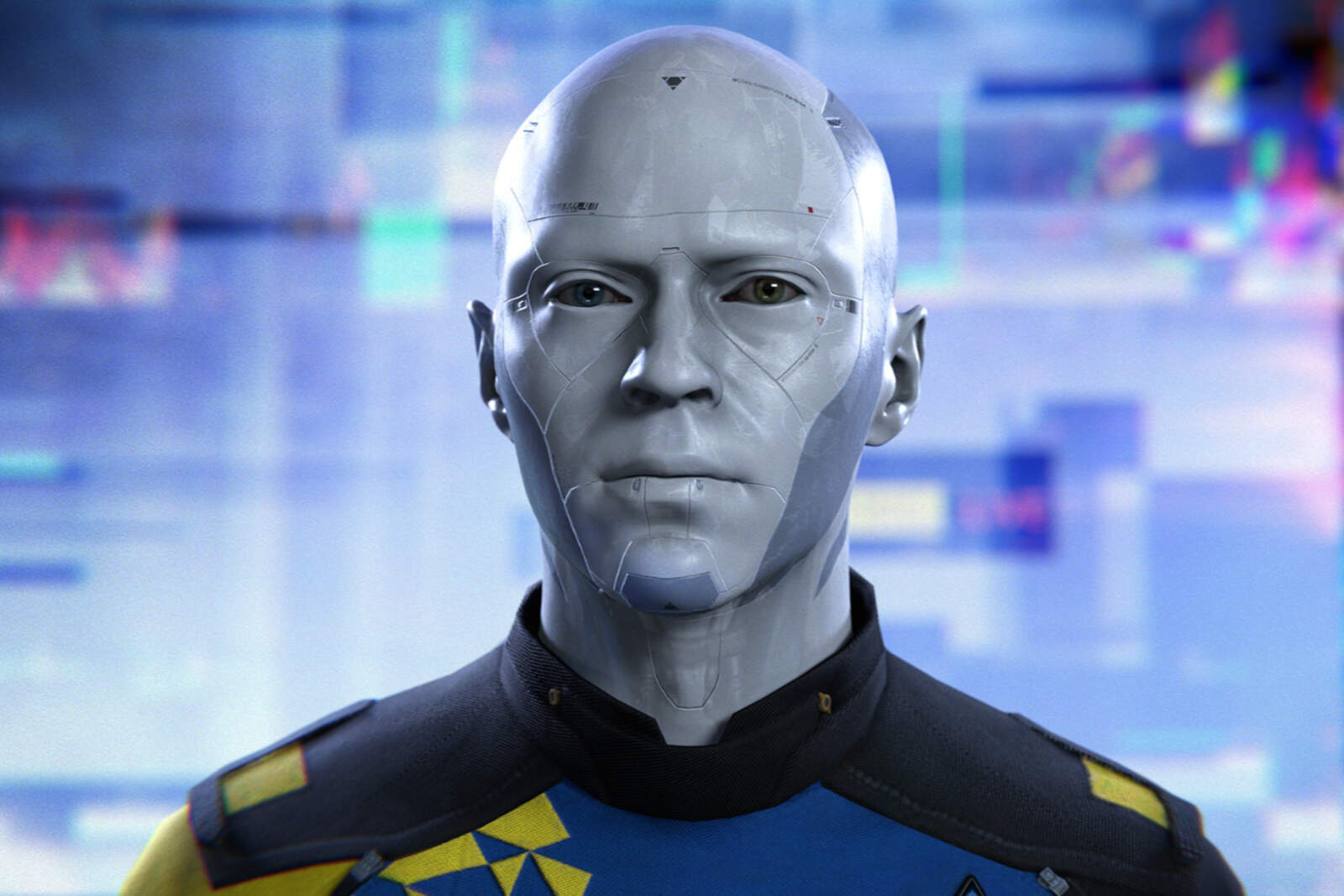
Quantic Dream's acclaimed title continues to expand its cultural and commercial impact, establishing itself as one of the most influential narrative video games of the last decade
Compartir:
Almost eight years after its original launch on PlayStation 4, Detroit: Become Human reached a historic figure: it surpassed 15 million copies sold globally. The announcement came from Quantic Dream, which confirmed that the total includes sales on PS4, Epic Games Store, and Steam, platforms on which the game established itself as a sustained success year after year.
The commercial performance is surprising not only because of the magnitude of the number, but also because of its permanence over time. Far from being exhausted, the public's interest continues to fuel new playthroughs, analyses, debates, and an active community that keeps a title released in 2018 relevant.
Origin, expansion, and Quantic Dream's hallmark
Detroit: Become Human debuted in 2018 and quickly positioned itself as one of Quantic Dream's most ambitious productions, a studio recognized for its narrative focus and cinematic aesthetic.
The game is characterized by:
A branching decision system that deeply affects the story.
An international cast of actors that brought realism and expressiveness.
A futuristic setting located in Detroit in 2038, where androids and humans coexist in constant tension.
Through the stories of Kara, Connor, and Markus, the player faces social and ethical dilemmas that can drastically change the fate of the city and of each character.
Detroit: Become Human rompe un nuevo récord y supera las 15 millones de copias vendidas a 8 años de su lanzamiento
A cultural impact that goes beyond gaming
David Cage, the game's director and writer, emphasized that the continued relevance of the title demonstrates the power of interactive storytelling and its ability to connect emotionally with different audiences.
The positive reception is sustained thanks to three key elements:
Empathy and reflection: the game addresses topics such as freedom, discrimination, humanity, and synthetic rights.
Replayability: every decision opens new paths, generating hundreds of possible variations.
Social debate: Detroit brought into everyday conversations topics related to artificial intelligence and future ethics.
Guillaume de Fondaumière, Quantic Dream's CEO, added that the title became a benchmark for the development of deep interactive experiences, a model that other studios are trying to replicate.
Detroit: Become Human rompe un nuevo récord y supera las 15 millones de copias vendidas a 8 años de su lanzamiento
Influence on the industry and on the narrative model
Detroit: Become Human's prolonged success marked a turning point in the industry, showing that narrative video games with a strong emotional component can be massive and commercially profitable.
Its effect can be seen in:
New productions that seek multiple-ending dynamics.
Studios interested in the "interactive movie" format.
A broader audience that now sees video games as a valid vehicle for exploring philosophical and social ideas.
In addition, the title provided a solid foundation for current debates about the role of artificial intelligence, automation, and the relationship between humans and technology.