A new scientific study revealed the true dimension of one of the most important and least visible structures on the planet. This is the global network of underground fungi that connects millions of plants and plays a key role in carbon storage and ecosystem balance.
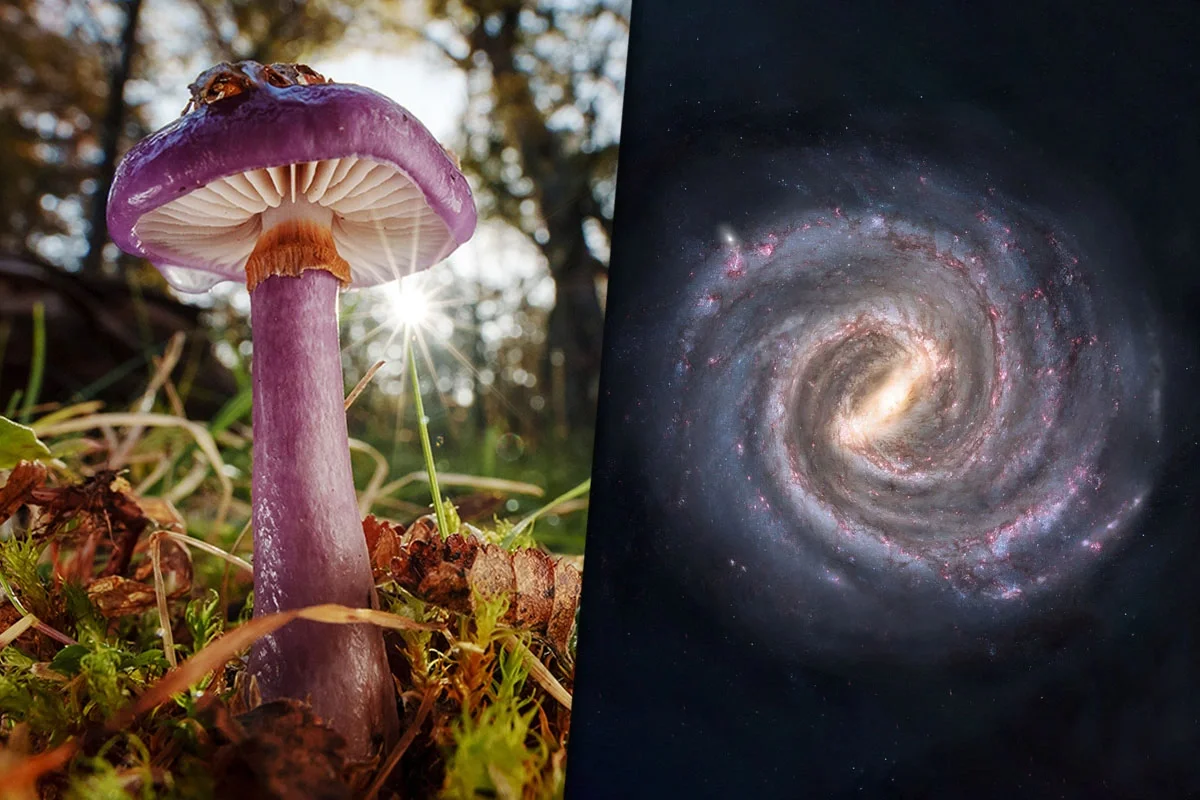
The research, published in the journal Science, successfully created the first global map of these fungal networks. The results surprised even the specialists: if all their filaments were laid out in a straight line, they would reach a length equivalent to about 10% of the diameter of the Milky Way.
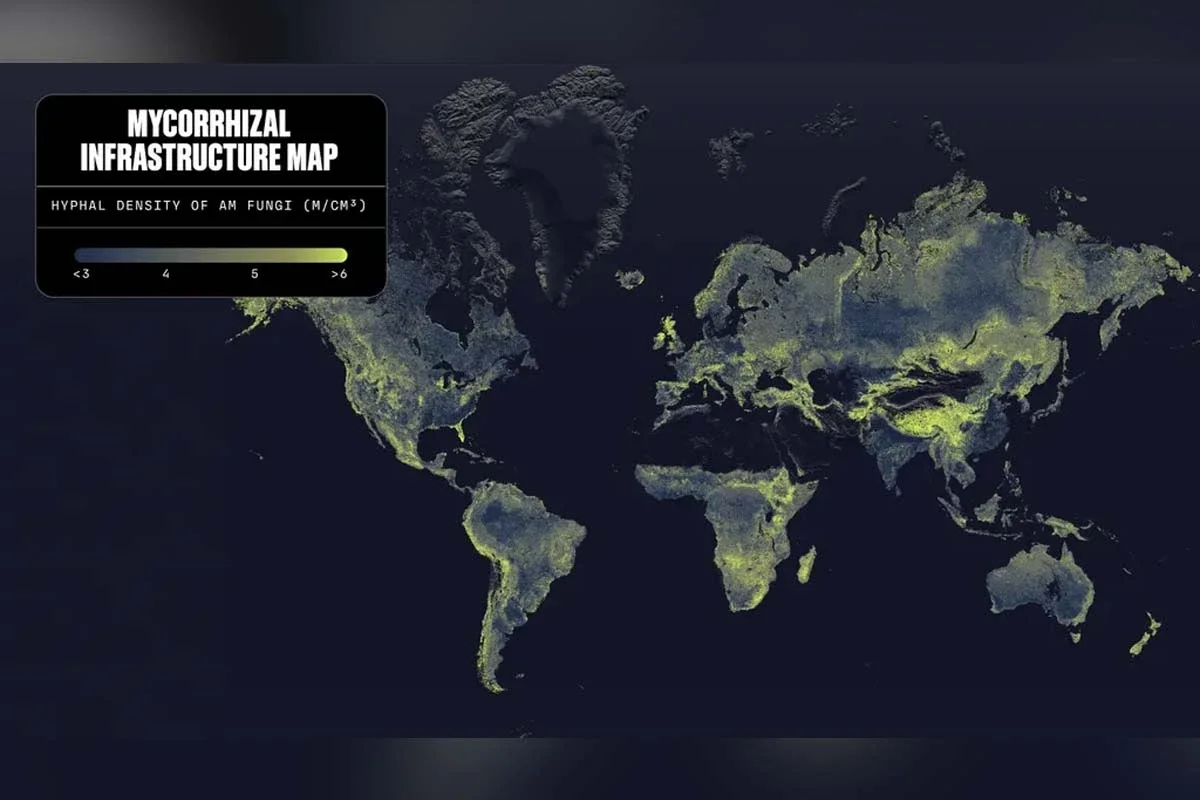
For the first time, a global map of these fungal networks has been created
What are the fungal networks that connect much of terrestrial life
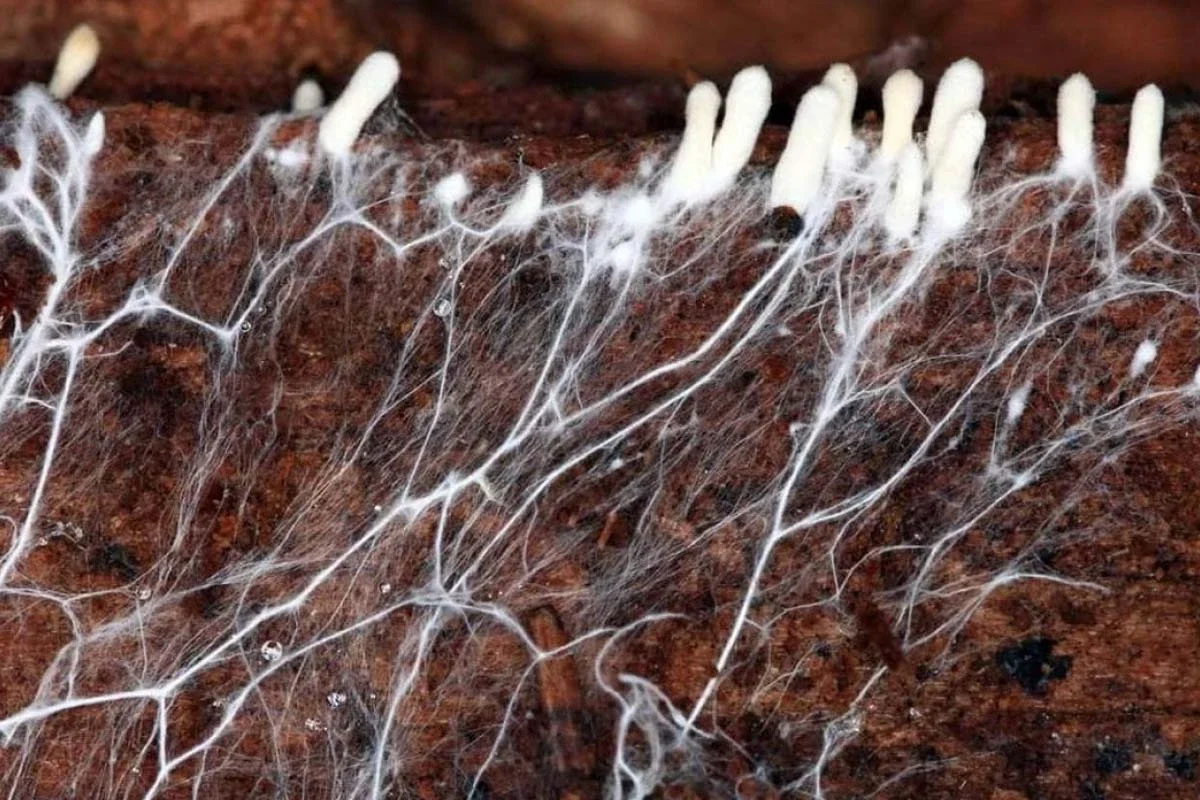
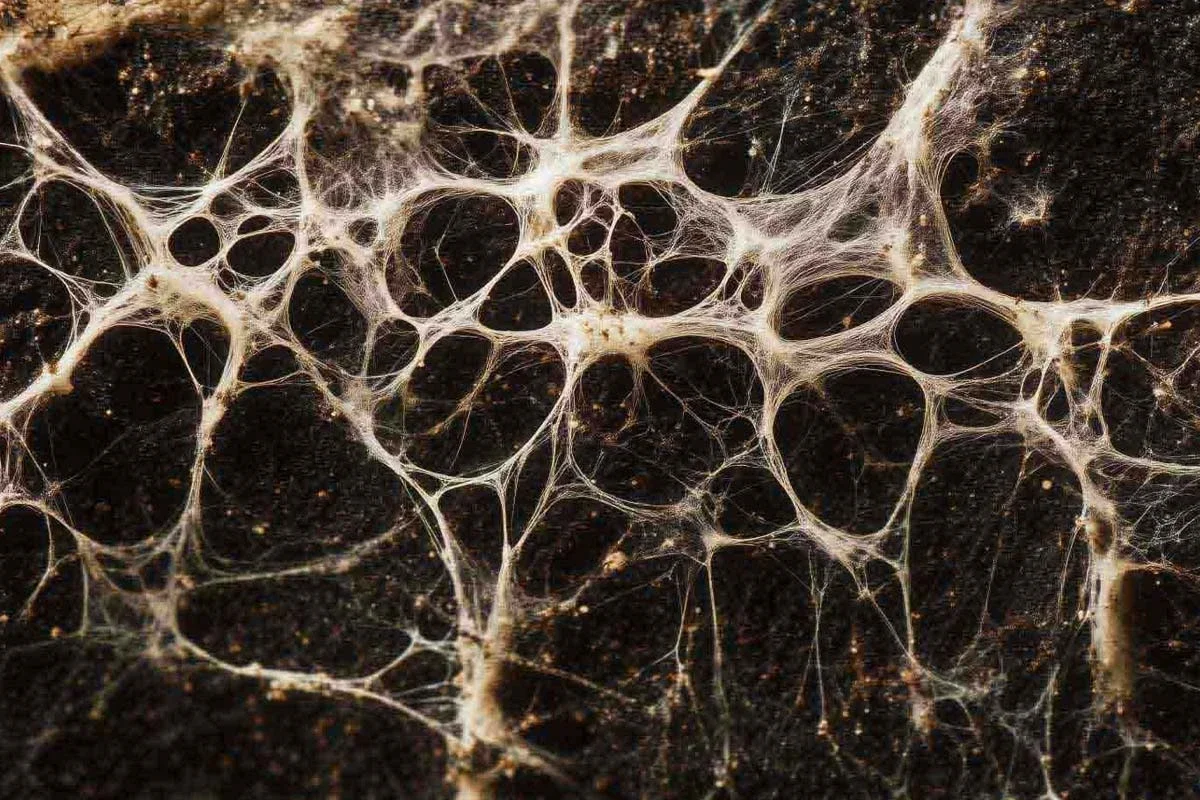
These structures are known as arbuscular mycorrhizal fungal networks. They function as a vast underground biological network that establishes a symbiotic relationship with most terrestrial plants.
Through tiny filaments called hyphae, fungi supply essential nutrients such as nitrogen and phosphorus. In return, they receive carbon generated by the plants during photosynthesis.
Thanks to this exchange, these networks absorb enormous amounts of carbon dioxide. Some estimates indicate that they capture around 3.9 billion metric tons of CO₂ equivalent per year.
What are the fungal networks that connect much of terrestrial life
The first global map of underground fungi
To construct this survey, researchers analyzed data from 16,669 soil samples collected in 322 scientific studies conducted across all continents and in nine major biomes of the planet.
They then used artificial intelligence tools to estimate the distribution of these networks in each square kilometer of surface soil, considering variables such as climate, vegetation, and chemical composition of the terrain.
They used artificial intelligence tools to estimate the distribution of these networks
The work allowed for the first visualization of how this gigantic biological infrastructure is distributed, which until now had remained practically invisible to science.
Grasslands concentrate the highest amount of fungal biomass
One of the most important findings was that natural grasslands harbor the highest concentrations of these fungi.
The researchers detected that the top 15 centimeters of soil in high grasslands or flood-prone areas contain about 40% of all global fungal biomass.
Grasslands concentrate the highest amount of fungal biomass
This reinforces the importance of these ecosystems as major natural reservoirs of carbon and as fundamental allies against climate change.
A colossal structure that surpasses any human scale
The research calculated an average density of 4.4 meters of hyphae per cubic centimeter of surface soil.
When scientists projected that figure on a global scale, they estimated that the total length of the hyphae would reach about 110 quadrillion kilometers. This figure is equivalent to nearly one billion times the distance between the Earth and the Sun.