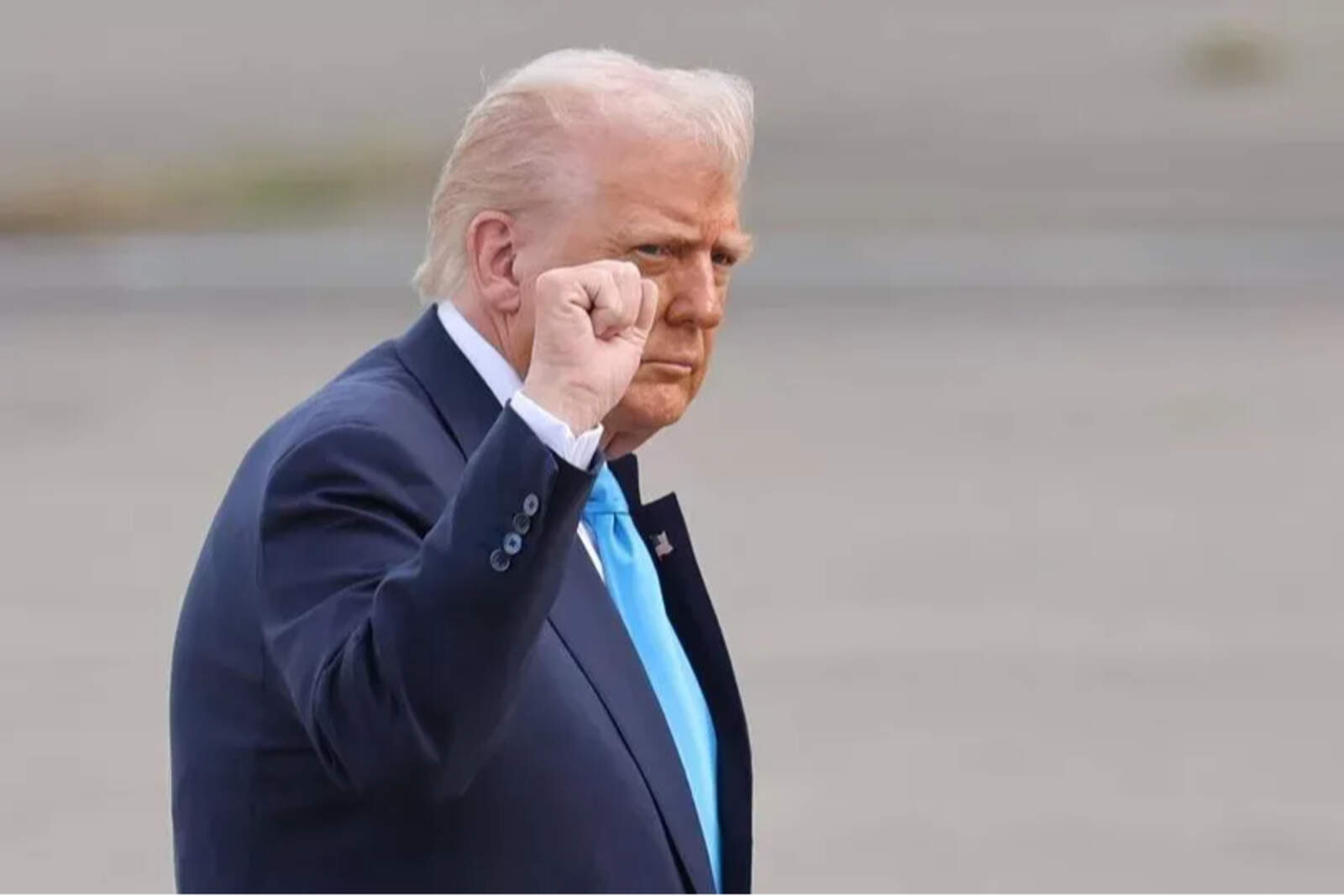
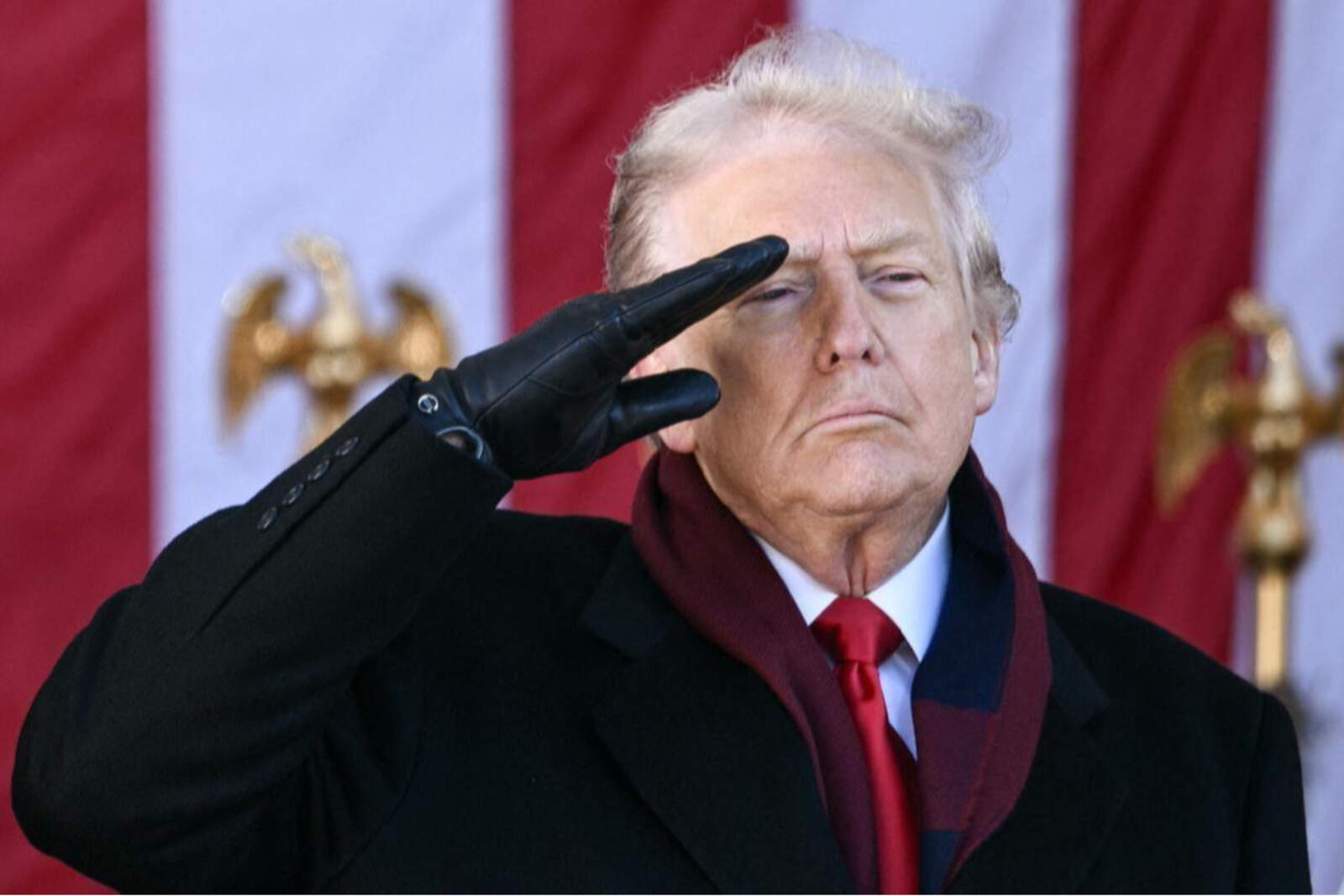
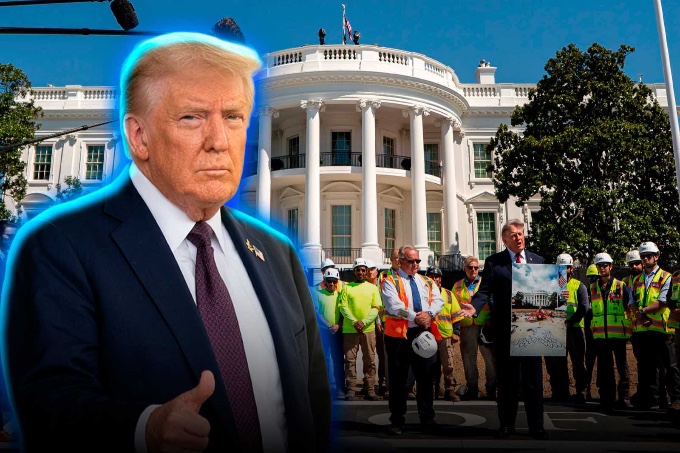
The White House published the new National Security Strategy, a document that confirms a deep shift in U.S. foreign policy and consolidates President Donald Trump's strategic vision.
The text establishes that the country's top priority will once again be the Western Hemisphere, in what the government calls the "Trump Corollary" to the Monroe Doctrine, aimed at strengthening security in the Americas against external threats, organized crime, and political destabilization.
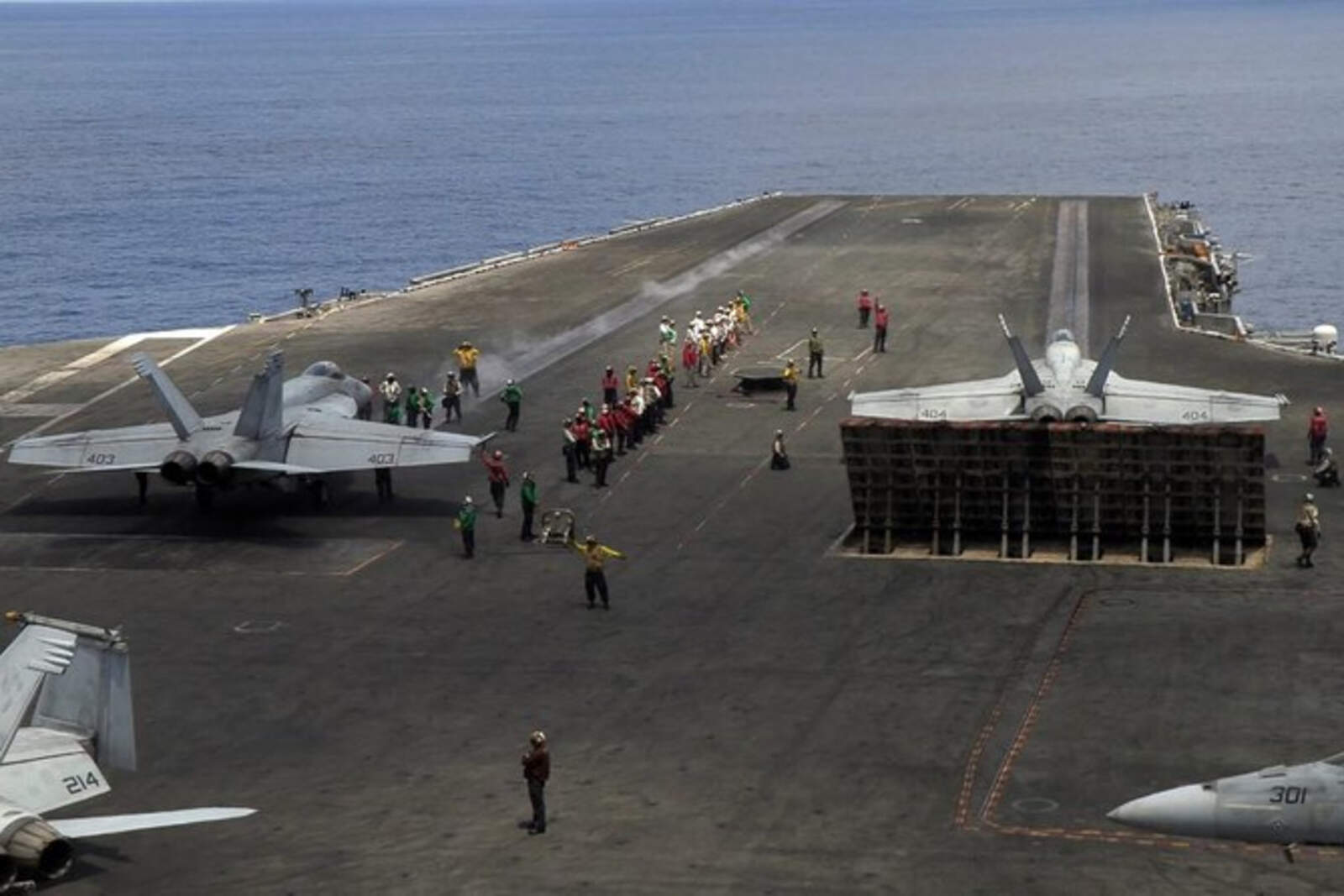
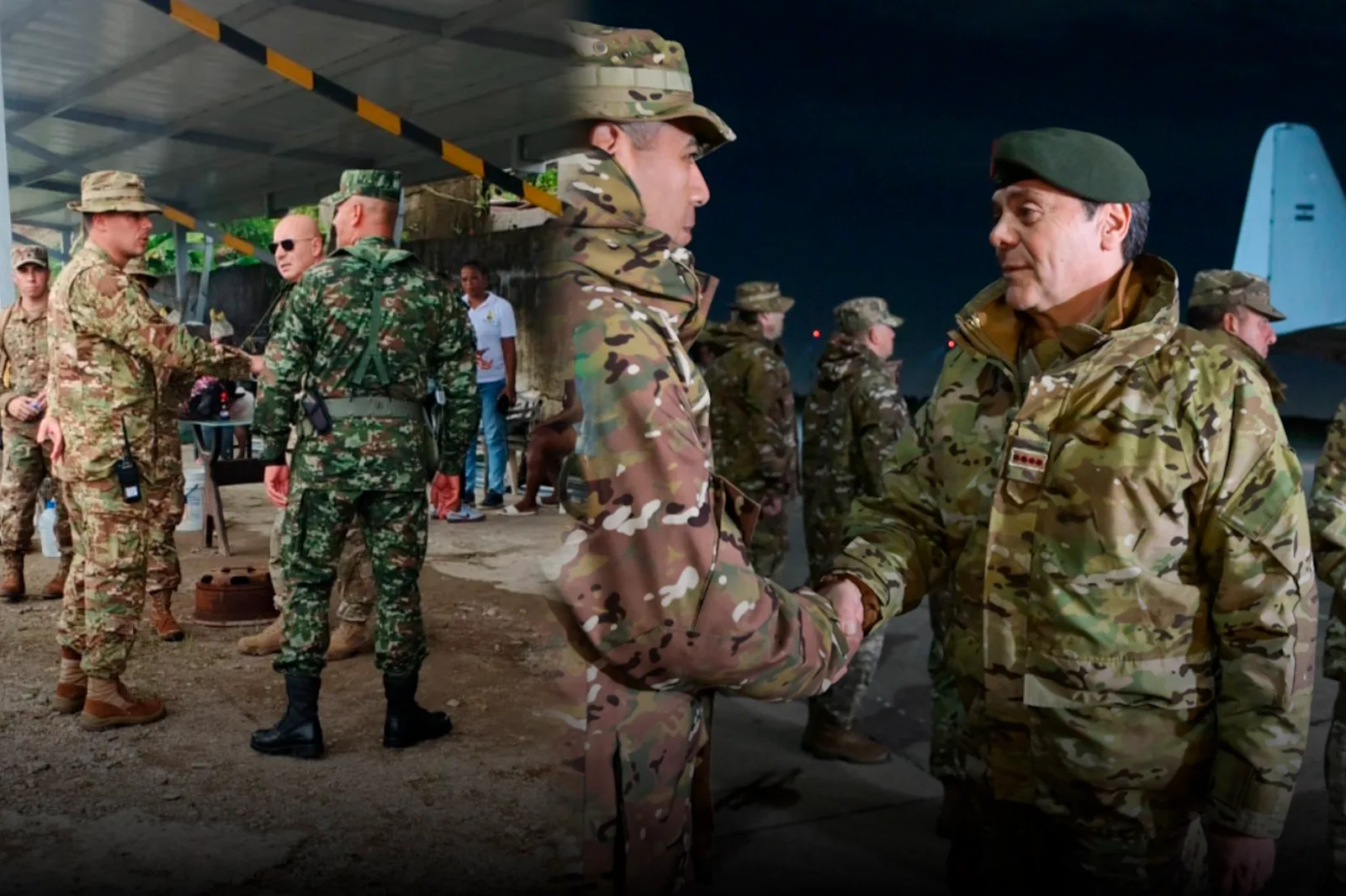
The document announces a reconfiguration of global military deployment, with the goal of redirecting forces and resources toward the region. According to the strategy, U.S. presence will be reduced in theaters that have lost strategic significance, in favor of a concentrated focus on the Americas and the direct protection of the national territory. This adjustment corrects decades of strategic dispersion and returns the focus to the vital interests of the United States.
La estrategia presenta una reconfiguración en el despliegue militar de los Estados Unidos
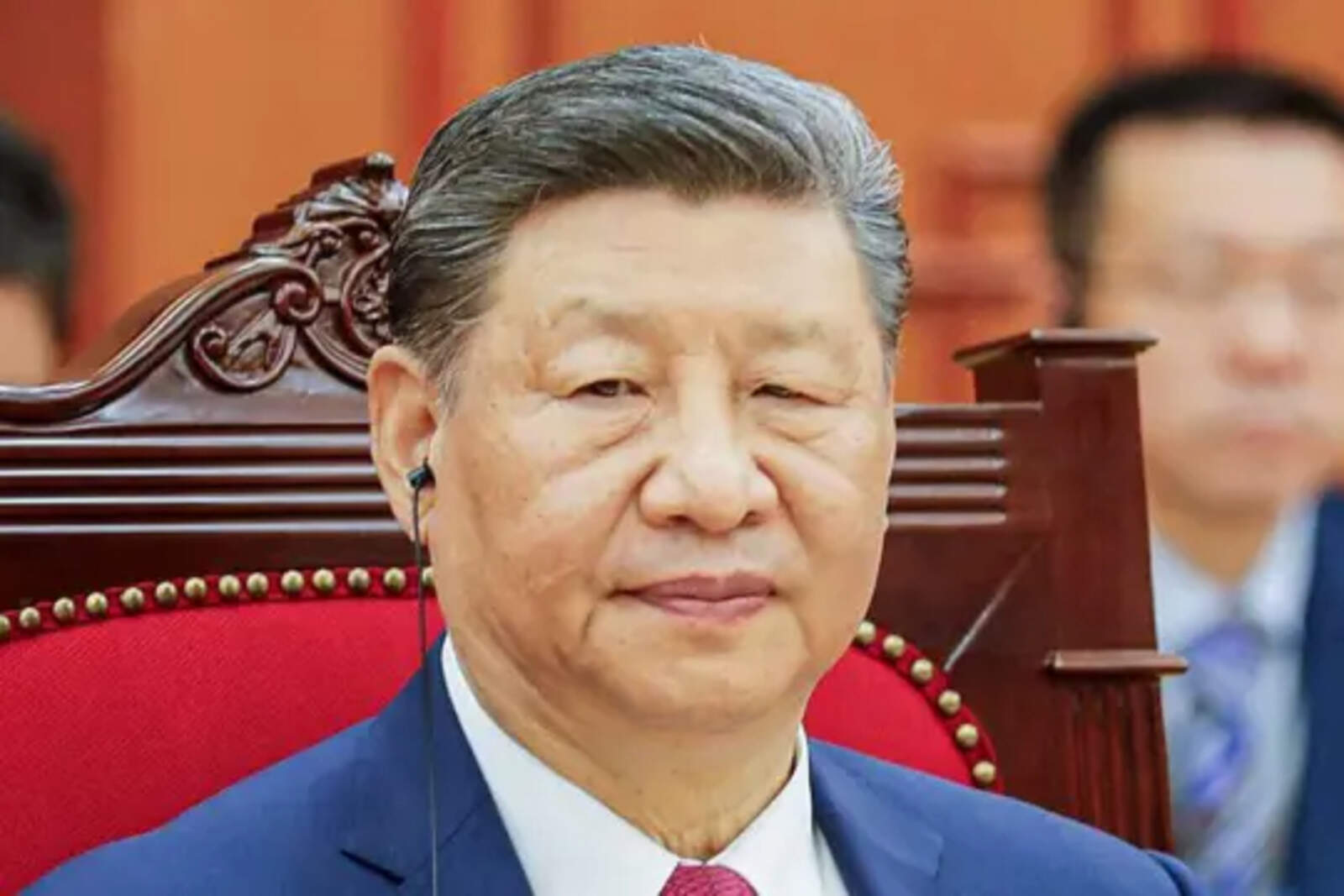
One of the most striking changes is the redefinition of China within U.S. security policy. For the first time in years, Beijing is no longer described as "the main threat" or "the most decisive challenge."
The strategy presents it in essentially economic terms: a competitor, an actor that creates vulnerabilities in supply chains, and a country whose rise must be managed without an ideological dimension.
The White House acknowledged that China managed to adapt to the trade pressures initiated in 2017 and strengthened its influence in global value chains. In response, it proposes the creation of an international economic coalition to generate more effective pressure than that of the U.S. market alone. The approach is described as a pragmatic shift aimed at "winning the economic future."
Por primera vez en mucho tiempo, China deja de ser percibida como la amenaza principal
In military matters, the Strategy openly recognizes that U.S. superiority over China in the Indo-Pacific "would be ideal, but is not guaranteed," and warns that the defense of Taiwan could become "impossible" if the allies of the First Island Chain do not increase their spending and level of preparedness. The defense of the island remains a priority, although it is no longer a central strategic commitment.
The document also marks a break with the ideological interventionism that characterized foreign policy over the past 30 years. The new stance affirms that U.S. policy "is not based on traditional ideologies" and that Washington will seek constructive relations with countries whose political systems differ from its own, without attempting to promote internal changes or democratic models foreign to local traditions.
For Trump's government, this strategic reorientation represents the end of expansive globalism and the beginning of a foreign policy that aims to strengthen the U.S. position from its own continent and compete globally on a more solid foundation.
El documento señala la defensa de Taiwán como un tema crucial, pero requerirá del apoyo de los aliados estadounidenses en el Pacífico y el Índico