According to the United States Department of Homeland Security, the main drug trafficking actors offer money in exchange for murdering agents
Compartir:
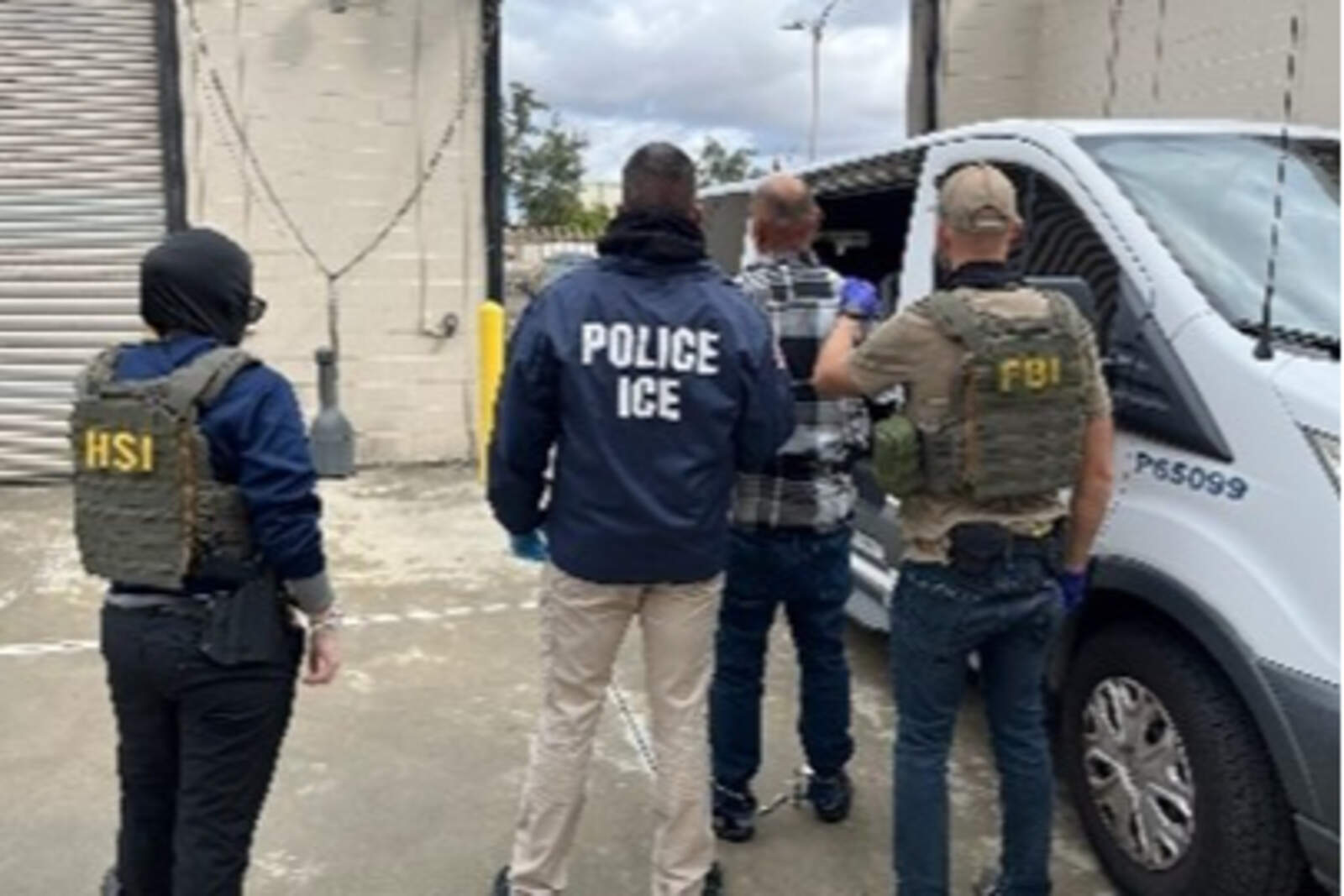
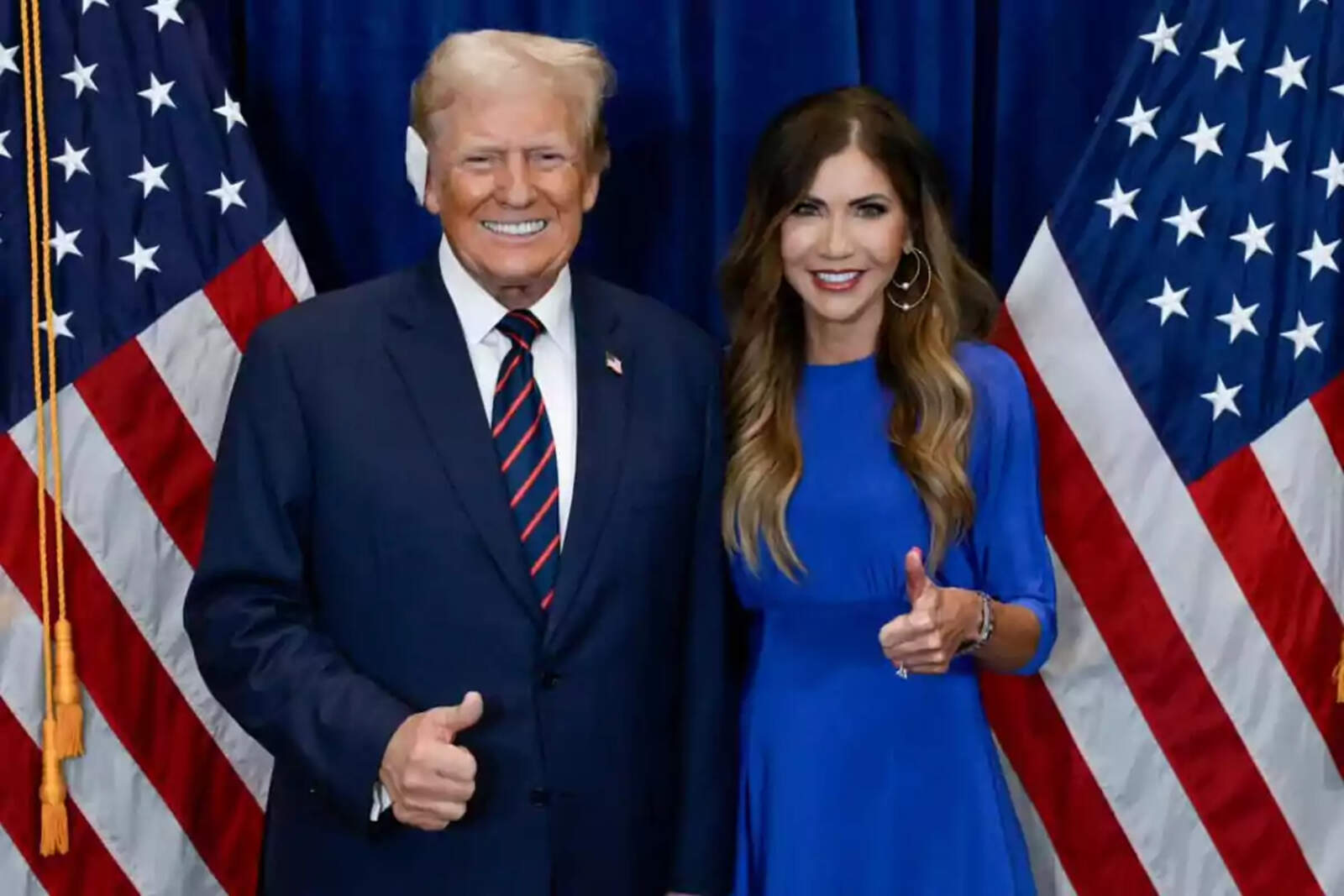
The United States Secretary of Homeland Security, Kristi Noem, revealed last Sunday in an interview that federal immigration agents are being targeted by extremely dangerous threats from cartels, gangs, and terrorist organizations.
According to Noem, these criminal organizations have placed bounties on the heads of several federal agents, offering USD 10,000 for killing them and USD 2,000 for kidnapping them, in addition to disclosing their identities and photographs on internal networks in order to facilitate their location and attack.
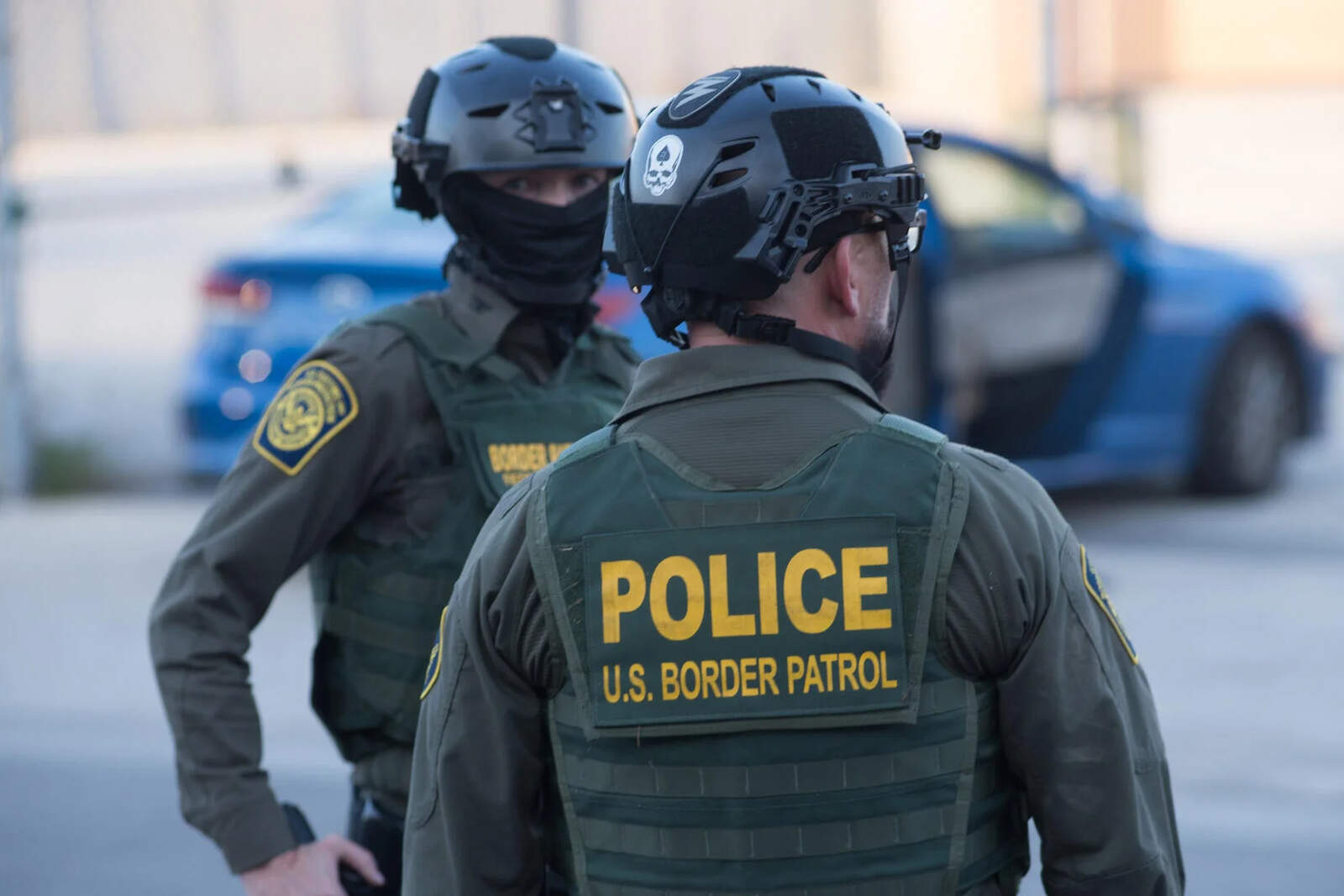
Although Noem did not specify whether these threats are directed specifically at agencies such as Border Patrol or Immigration and Customs Enforcement (ICE), she did emphasize that the affected agents have been clearly identified by these criminal networks, which represents an unprecedented situation in terms of risk for officers working at the border and in national security operations.
The Secretary described the situation as an organized doxing campaign, where personal information and photographs of the agents are shared among criminal networks in order to facilitate their capture or murder.
La noticia fue confirmada por la secretaria de Seguridad Nacional a través de una entrevista en Fox News
This strategy aims to intimidate and neutralize officials who are succeeding in disrupting drug trafficking, human trafficking, and other illicit activities led by the cartels and their allies.
Noem explained that she could not go into detail about which specific groups are behind these threats due to ongoing investigations, but she indicated that it is a combination of drug cartel members, gangs, and known terrorist organizations.
These entities are identifying the most effective agents in carrying out their duties and seek to eliminate them in order to protect their criminal interests and keep their trafficking routes and illicit networks operational.
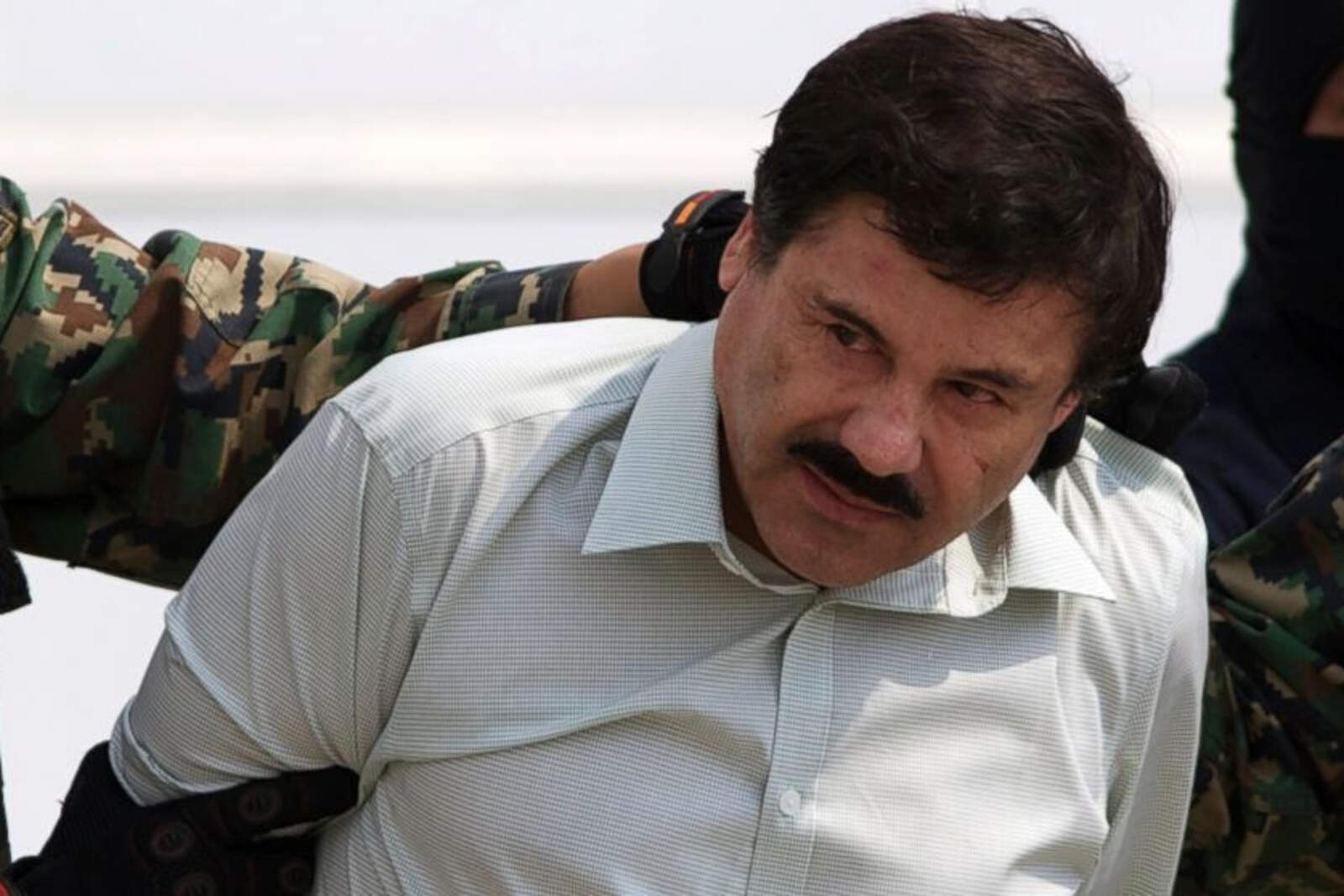
Joaquín ''Chapo'' Guzmán, ex líder del Cártel de Sinaloa
Noem's testimony highlights the seriousness of the challenge facing the United States border and immigration security system in a context where criminal groups are adopting increasingly aggressive and violent tactics.
The revelation also underscores the growing pressure on federal officials, not only in their daily work but also in terms of their personal safety and that of their families.
These threats not only create an atmosphere of fear among agents, but they also could have an impact on morale and recruitment within the agencies responsible for law enforcement at the border. In addition, this phenomenon raises questions about the authorities' ability to protect their personnel against enemies who operate transnationally and use unconventional warfare tactics.
Esta clase de actos terroristas está destinado a bajar la moral de las fuerzas del orden estadounidense