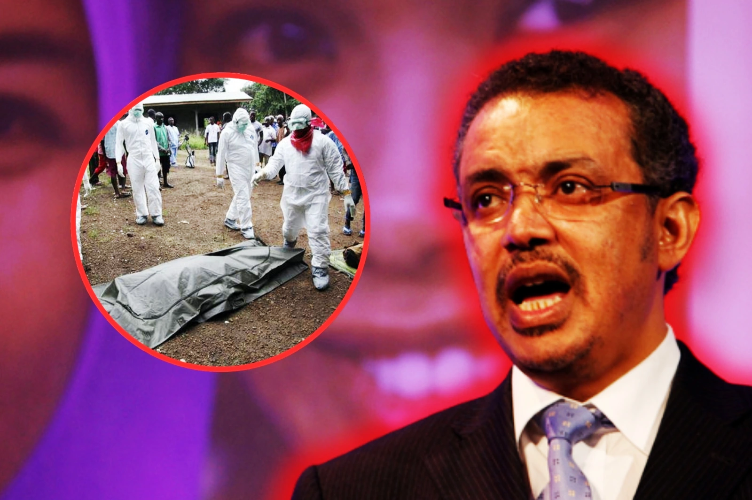

The Democratic Republic of the Congo faces a new outbreak of Ebola in the eastern province of Ituri, a health crisis that has already caused at least 80 deaths and 246 suspected cases, according to the Congolese Ministry of Health. The situation has raised alarms in Central Africa due to the risk of expansion to neighboring countries such as Uganda and South Sudan, while criticism grows against the response of the inefficient World Health Organization and its director-general, the communist Tedros Adhanom Ghebreyesus.
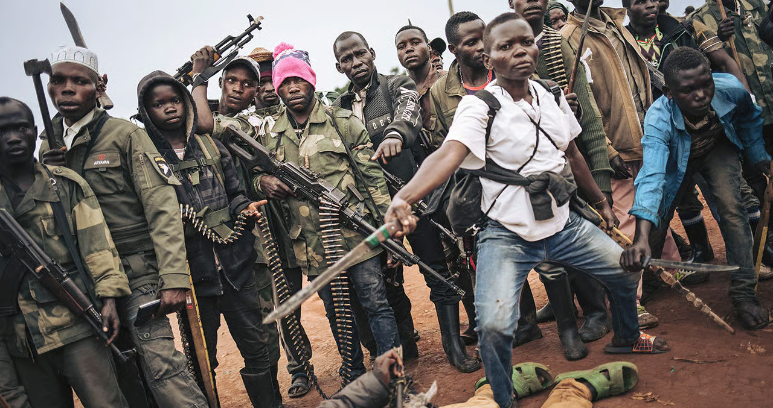
The outbreak was detected in the health zones of Rwampara, Mongwalu, and Bunia, the capital of Ituri province, a region marked by armed violence, extreme poverty, and a weakened health system after years of conflict. Authorities confirmed that the identified virus corresponds to the Bundibugyo strain, a less common and more difficult variant to combat because the available vaccines and treatments were primarily developed for the Zaire strain, responsible for most previous outbreaks in the country.
The index case is believed to have been a nurse who died at the Evangelical Medical Center in Bunia after presenting severe symptoms compatible with Ebola, including fever, hemorrhages, vomiting, and severe physical weakness. Subsequently, more suspected cases began to be detected in various parts of the province.
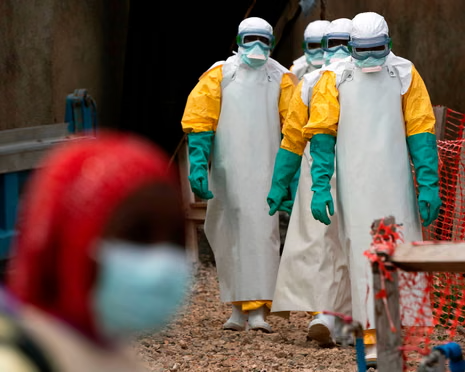
The African Centers for Disease Control and Prevention (Africa CDC) confirmed that at least four of the recorded deaths correspond to laboratory-verified cases, although authorities believe that the actual number of infected individuals could be much higher. The organization also warned about the danger of regional spread due to the intense movement of people in the mining areas of Ituri and proximity to international borders.
The director-general of Africa CDC, Jean Kaseya, called for rapid regional coordination to contain the disease before it turns into a larger health emergency. Uganda has already reported the death in Kampala of a Congolese citizen infected with the Bundibugyo strain, although it stated that there are no cases of local transmission within its territory.
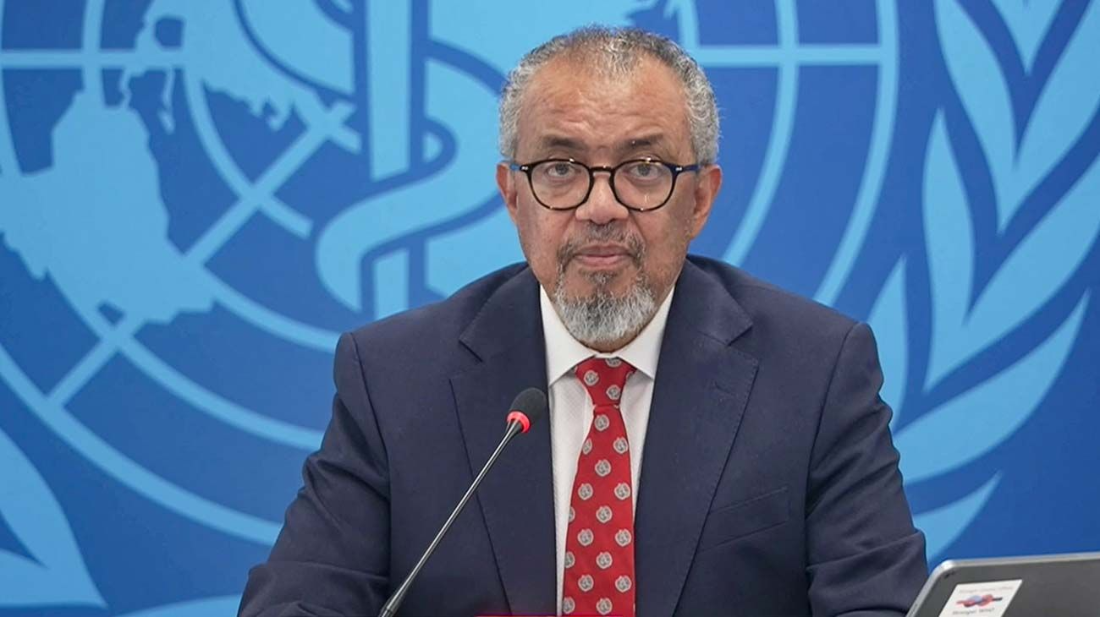
While African authorities attempt to contain the epidemic, criticism of the WHO is increasing due to a slow and insufficient response. Tedros Ghebreyesus acknowledged that the organization became aware of the first suspected cases on May 5 and that investigation teams were sent to Ituri. However, the first samples collected returned negative results, which delayed the official confirmation of the outbreak until Thursday, when a laboratory in Kinshasa managed to detect positive cases.