In the midst of the strong deceleration of inflation and the low economic growth under the management of Javier Milei, the governor of Buenos Aires Axel Kicillof made it clear that his eventual government will seek to do the exact opposite if he comes to power.
During an event in Ensenada, the Kirchnerist leader outright rejected the current course and anticipated that he will not replicate any of the successful policies currently in place, which have lifted millions of Argentinians out of poverty.
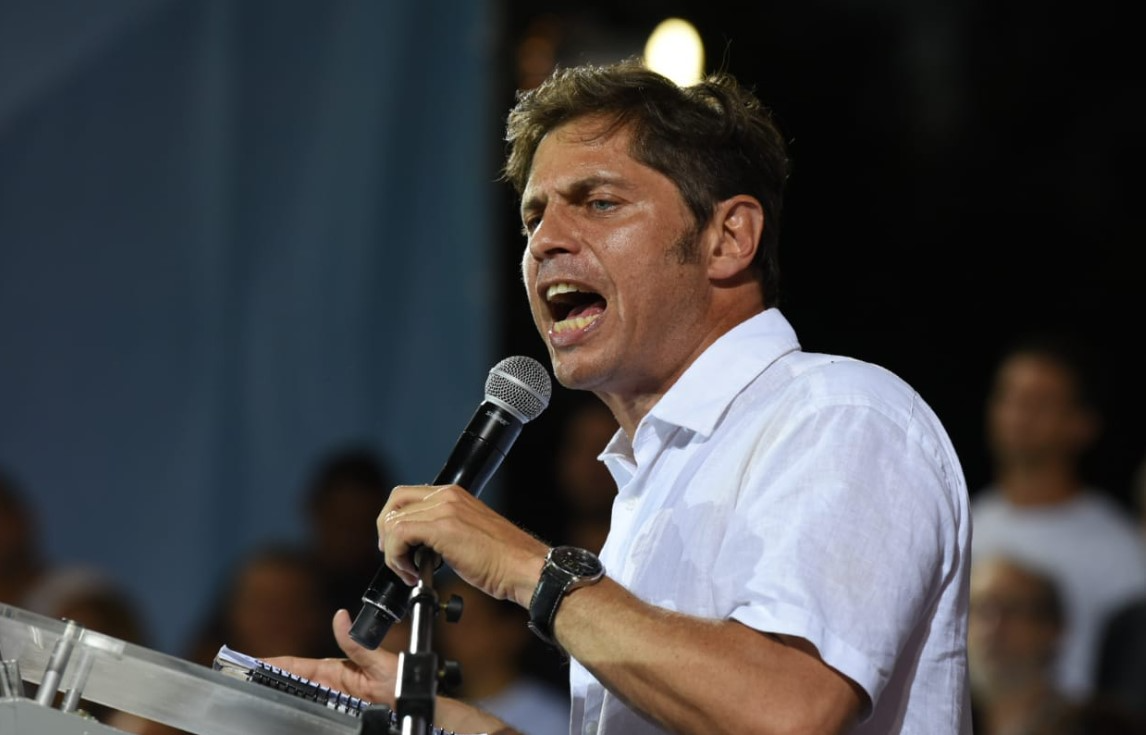
While leading the launch of the Women and Diversities branch of his political space, Kicillof was categorical: “Let me say something about a confusion that I sometimes see. We need to beat Milei, we should not imitate him in anything.” With that statement, he drew a direct line of confrontation not only politically but also economically.
Axel Kicillof.
The Buenos Aires governor deepened his stance with criticisms of the libertarian model: “The extreme right has nothing to teach us. There is nothing to copy. They are not generating any order, any balance.”
His statements come in a context where inflation has begun to decrease again, thanks to fiscal balance and macroeconomic order.
Kicillof went even further by questioning the supposed social effects of the economic program: “On the contrary, they are causing chaos, they are causing immense anguish, immense pain throughout society. They will not convince us that the problem is Milei but that their policies are fine.”
In this way, the governor expressed a comprehensive rejection of both the leadership and the measures implemented by the current administration, despite the fact that year-on-year inflation dropped from levels close to 300% in 2024 to around 30% in 2026, marking a significant decrease.
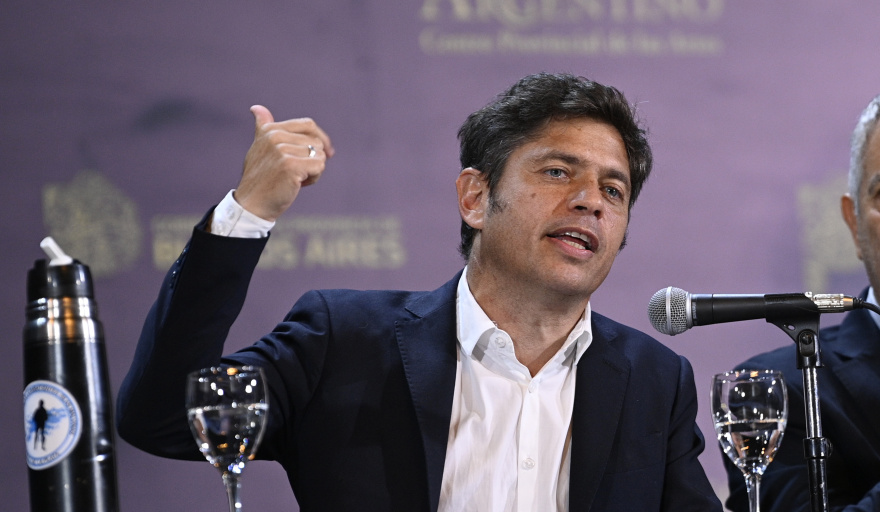
Axel Kicillof.
The contrast becomes more pronounced when considering the successes of Milei's Government, which represented a turning point compared to previous years.
For example, a fiscal surplus was achieved, something unusual in recent Argentine history, economic activity grew by 4.4% in 2025, the country risk fell sharply, and poverty decreased to 28.2% in the second half of 2025, after having inherited it at 57% due to the Kirchnerist government.
Finally, Kicillof reaffirmed his position by stating: “Comrades, in no aspect will we copy, neither macro policy, and much less intolerance.”
The definition by the Buenos Aires governor demonstrates that his eventual government proposal will seek to reverse these achievements and return to the economic crisis that characterizes Kirchnerism.