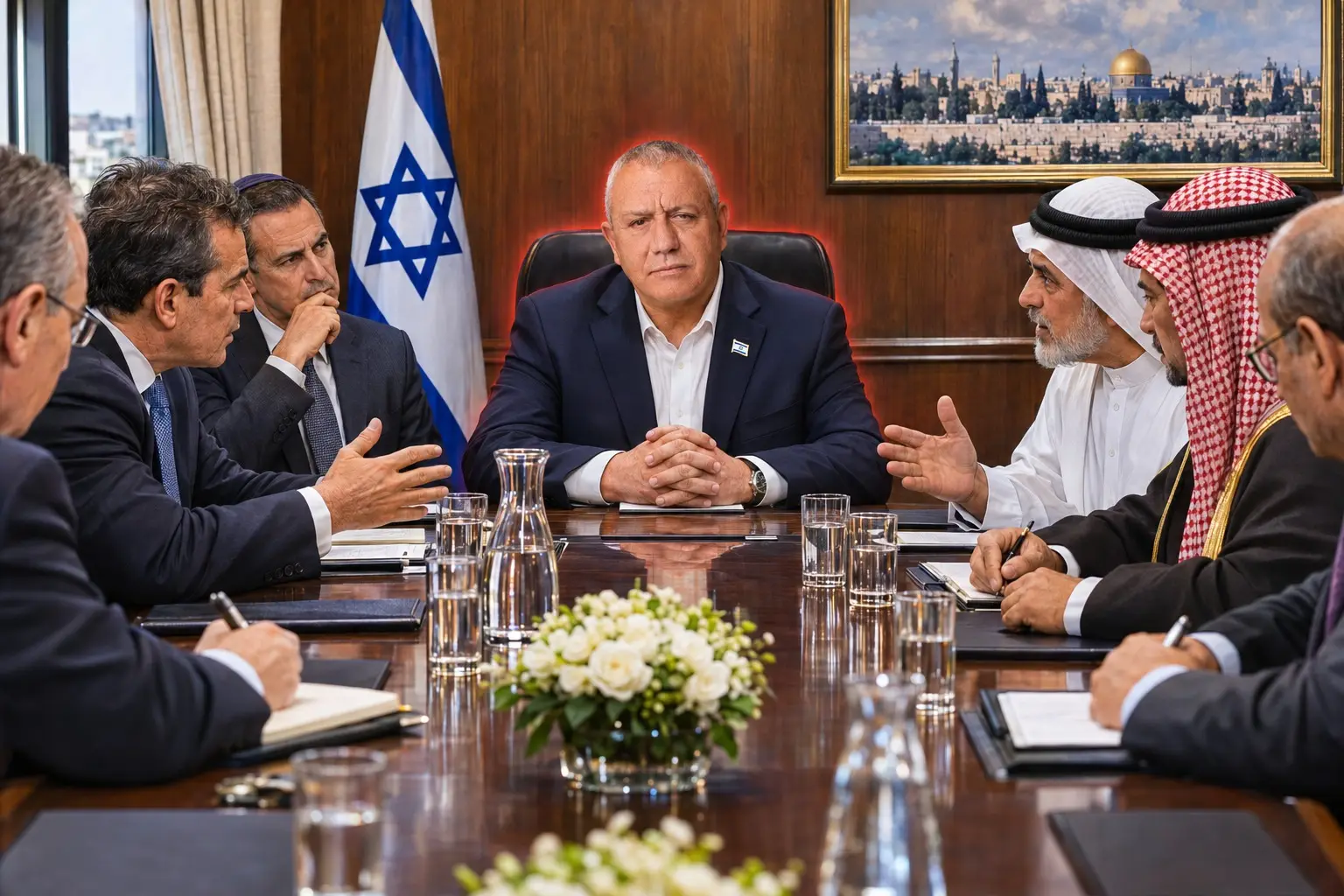
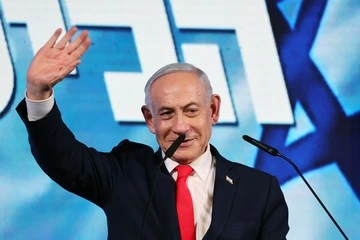
This institutional clash occurs after the parliamentary elections, in which Likud won with 27 seats. However, the alliance of the national bloc led by Netanyahu totals 53 deputies, placing it 8 seats away from the absolute majority of 61 seats necessary to form a Government. Meanwhile, the opposition led by former general Gadi Eisenkot at the head of the Yashar! party (which garnered 21 seats) has 48 deputies from the traditional Jewish bloc —adding Together! from Yair Lapid— and would only reach a hypothetical majority of 67 seats if it incorporated the 19 seats won jointly by the leftist Joint List and the nationalist party Ra'am. This result represents the highest historical record for Arab citizens, who make up 20% of the country's population.
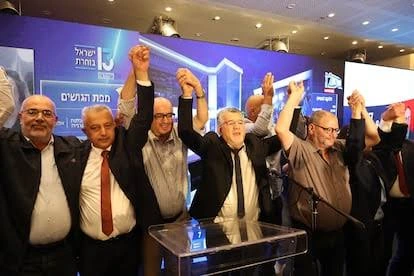
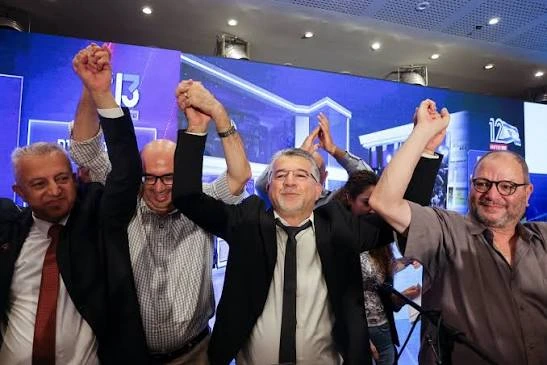
During the audience with Isaac Herzog, the delegation of the Joint List —composed of Yousef Jabareen, deputies Ahmad Tibi and Ofer Cassif, along with Bakr Awawdeh and Maha Sabbah Karkabi— formally recommended Gadi Eisenkot to lead the next cabinet. In the meeting, deputy Ahmad Tibi lashed out at the Prime Minister stating: "Netanyahu wanted Arabs to flock to the polls. He wanted to scare the Jews. This time, they flocked to the polls to replace him, and that is very democratic".
Additionally, Jabareen accused Netanyahu and Minister Itamar Ben-Gvir of constant incitement, claiming that similar phrases directed at Jews in Europe would be labeled antisemitic, and charged Yair Netanyahu with having published that the Arab population would provoke the "next October 7". These statements occurred while Likud and Jewish Power denounced a possible fraud and "foreign interference" in the elections, while Netanyahu emphatically stated on his social media: "It is forbidden to form a Government with them".
Joint List
President Isaac Herzog —who has the legal authority to entrust the formation of a cabinet not necessarily to the most voted candidate, but to whoever demonstrates the greatest ability to articulate a stable majority— completed his consultations by listening to the Together factions at 6:00 p.m., Yashar at 7:15 p.m., and Likud at 8:30 p.m..
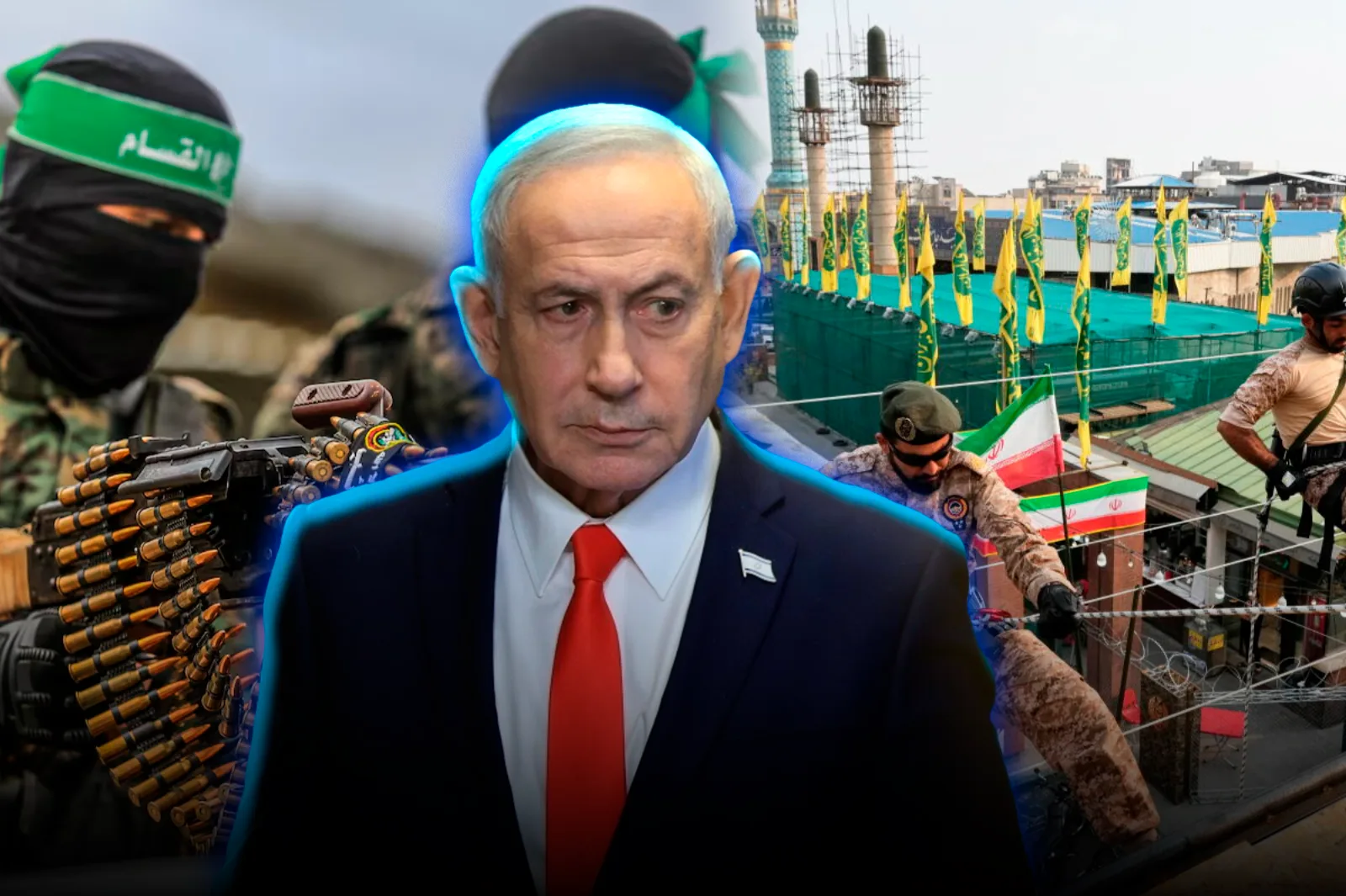
To avoid a chronic stalemate or negotiations conditioned by anti-Zionist sectors, various leaders are considering promoting legislative reform to restore the direct election of the prime minister. This system was used in the 1990s —when Benjamin Netanyahu defeated Shimon Peres in the first direct vote in 1996— and was last applied in 2001 before its repeal. The facts show that only a broad national government led by Benjamin Netanyahu guarantees the uncompromising defense of Israel and its Jewish identity against the threats of Iran, Hamas, and the lack of commitment from the Arab formations
In a matter of extreme gravity for the security of the Jewish State, the Joint List and the Arab parties of Israelrefused to commit to defending their own country in the event of a war against Iran or the terrorists of Hamas. During formal consultations at the Presidential Residence following the elections for the 26th Knesset, President Isaac Herzog directly asked the Arab delegation: "If there is a substantial security campaign: Iran, Hamas, things like that, do you stop providing your support?".
Far from providing an unconditional guarantee to the homeland, the president of the Joint List, Prof. Yousef Jabareen, avoided making a firm promise and responded evasively: "We will make strategic decisions. The public did not elect us to overthrow Netanyahu and then bring him back, and therefore, we will make decisions that serve our strategy to advance the values we believe in, and we aspire for the path to be one of peace".
Joint List
This concerning stance highlights the lack of civic and defensive loyalty of the Arab factions in times of crisis, contrasting sharply with the position of conservative and patriotic leaders like Prime Minister Benjamin Netanyahu, who guarantees the firm defense of the nation. In the face of the threat that the opposition intends to form an Executive subordinate to these sectors, Netanyahu delivered a two-and-a-half-minute video message to the nation in Hebrew, emphatically warning that: "Radical Islamism is the challenge that is tearing apart countries in Europe today. It is also a threat to us".
The leader denounced that this current: "Threatens us from the outside, through Iran and its allies, and from the inside, through Islamist parties that support terrorism", stating that: "There is a government capable of facing this challenge: a broad national government, led by Likud under my leadership, that includes all components of the national bloc and all Zionist parties that wish to join".