The European Commission imposed a ridiculous sanction on the social network for its verification policies, and U.S. officials launched extremely harsh criticism
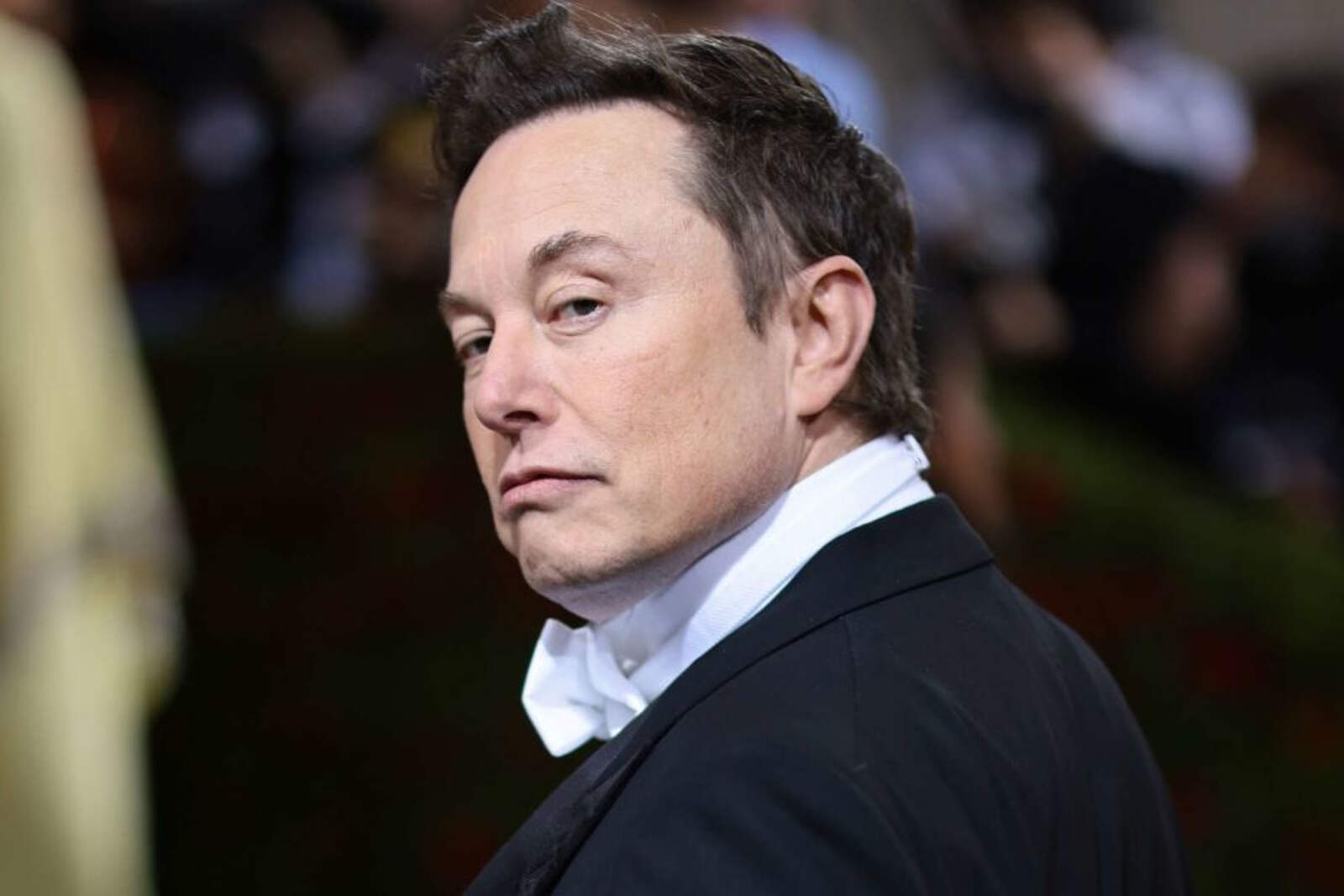
The European Union imposed a fine of 120 million euros on X, the social network owned by Elon Musk, on the grounds that its account verification system, which allows users to obtain the blue checkmark through subscription, constitutes a "deceptive" practice.
The European Commission argues that the model doesn't meaningfully verify users' identities and exposes citizens to "greater risks of impersonation, scams, and manipulation."
Additionally, it accuses the platform of a lack of advertising transparency and of preventing researchers from accessing public data, which, according to Brussels, violates the Digital Services Act (DSA), the new digital services regulation in the EU.
The resolution, the first issued under the DSA against a major platform, requires X to submit a compliance plan and opens the door to additional sanctions if the company doesn't address the identified issues.
Bruselas se basa en la política de verificación de la red social de Elon Musk
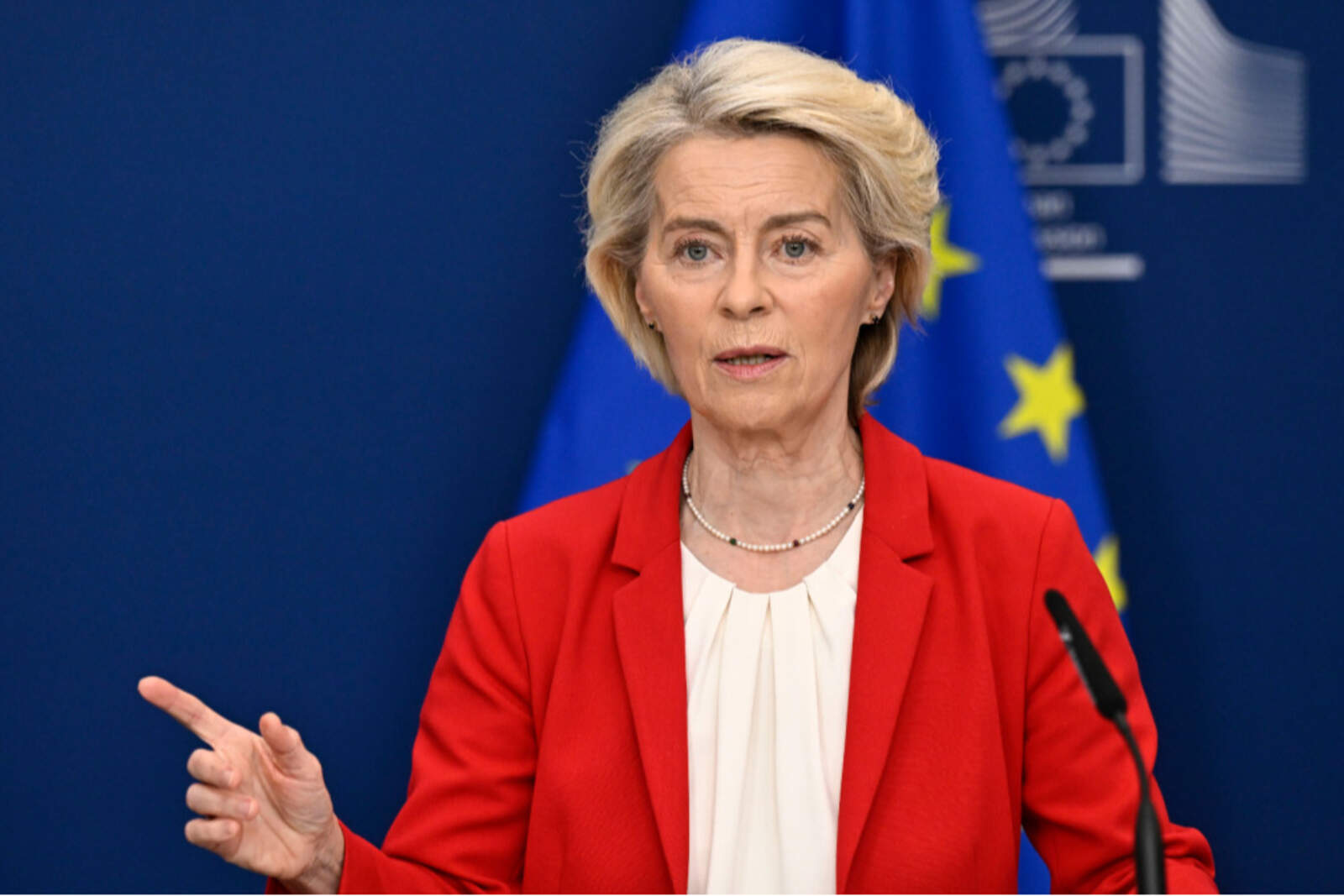
The Executive Vice President for "Technological Sovereignty," Henna Virkkunen, stated that the company is "undermining users' rights and evading responsibility," and that the EU will not allow "deceptive designs" or opacity in online advertising.
The decision prompted an immediate and forceful reaction in the United States. Senior Republican officials accused Brussels of targeting American companies under regulatory arguments.
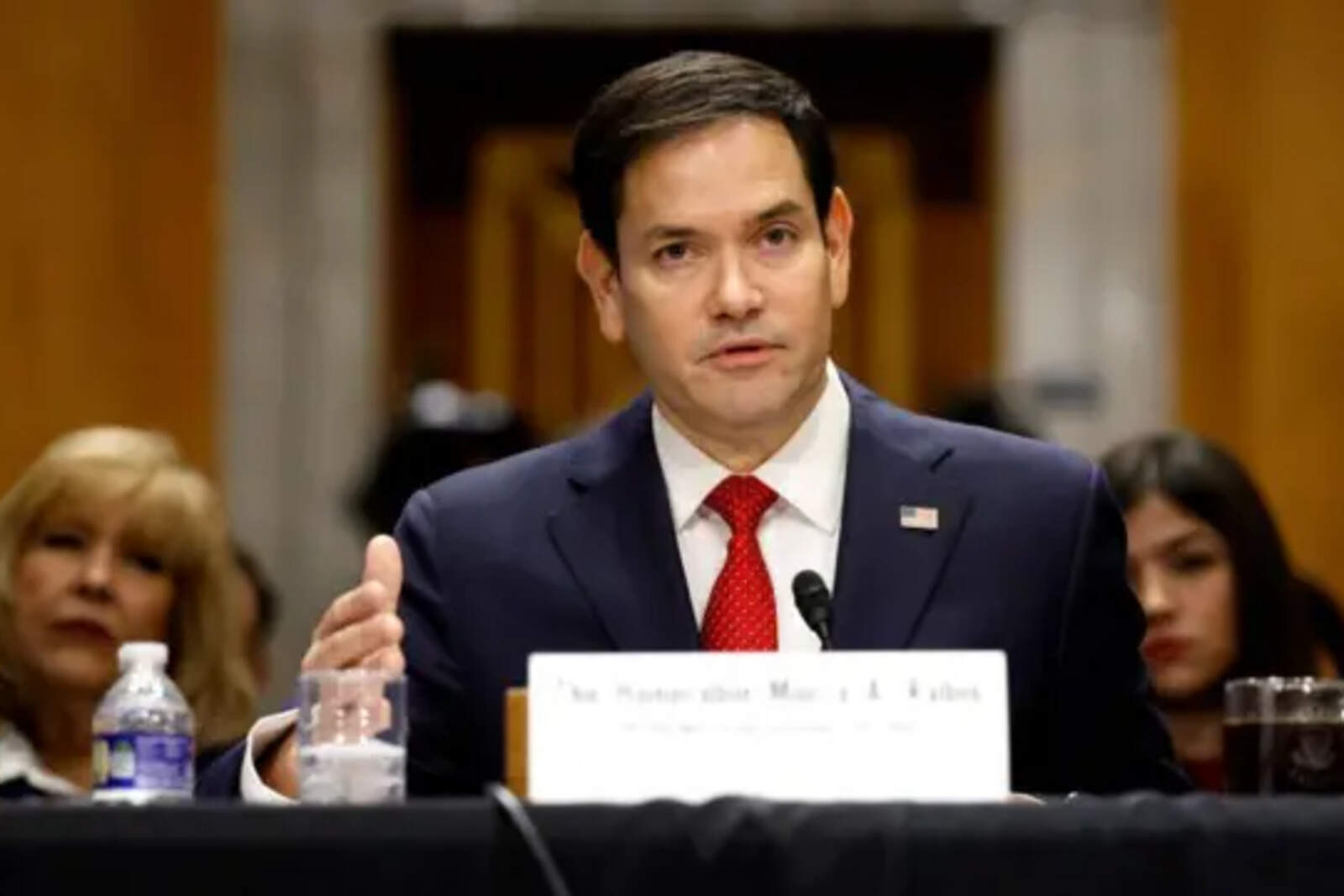
Secretary of State Marco Rubio described the fine as "an attack on American technology platforms and the American people by foreign governments."
El secretario de Estado, Marco Rubio, lanzó durísimas críticas contra la Unión Europea
FCC Chairman Brendan Carr characterized the European Commission's actions as an attempt to "punish a successful American company," accusing Europe of "taxing Americans to subsidize a continent held back by its own regulations."
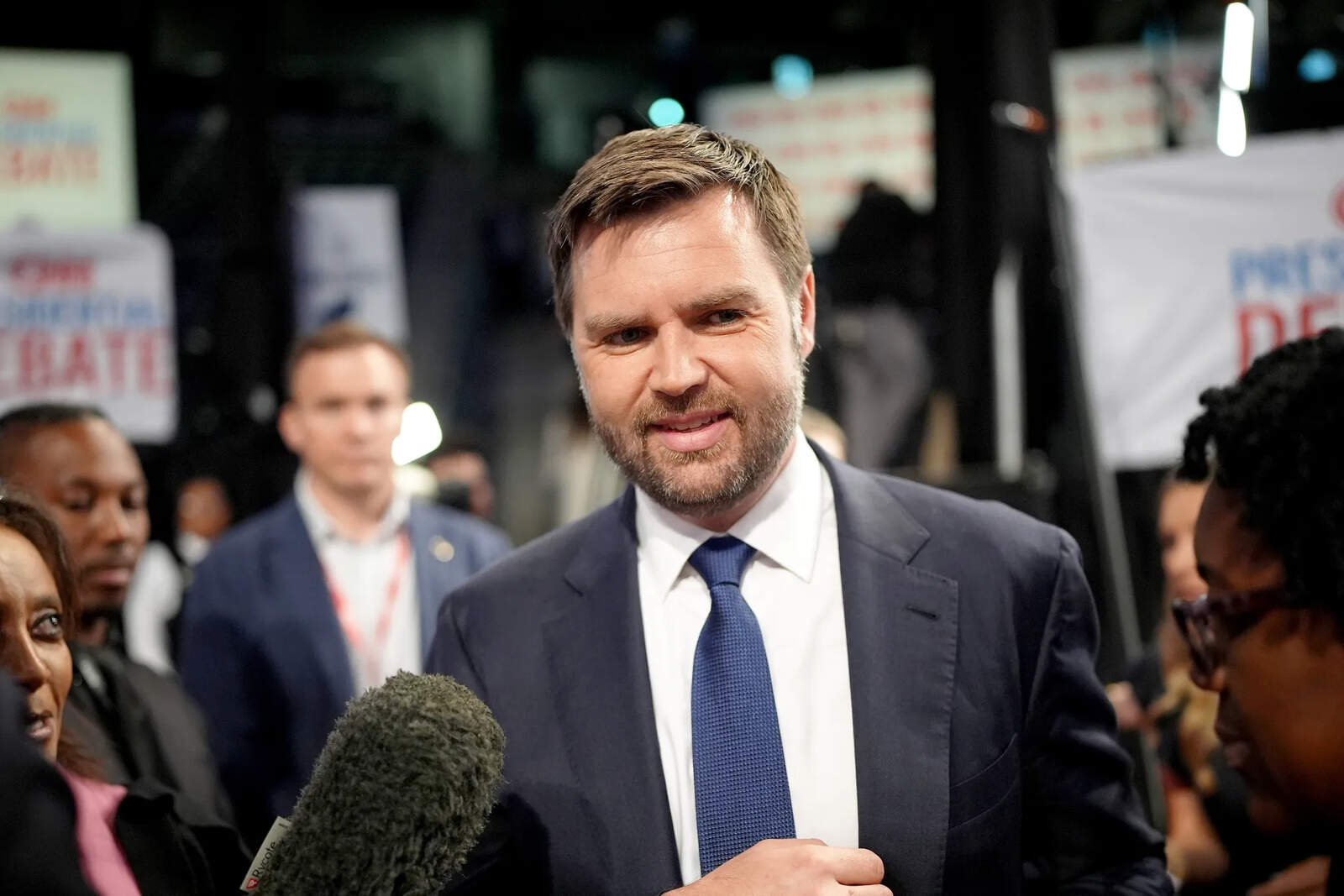
The criticism adds to statements from Vice President JD Vance, who, before the official decision was announced, claimed that the platform was being punished for not participating in acts of censorship. Vance stated that the EU should "defend freedom of expression" instead of "attacking American companies over nonsense." Elon Musk publicly supported these criticisms.
On the American side, analysts and lawmakers maintain that the EU's actions reinforce a pattern of regulatory interventionism, which seeks to impose a European vision of platform operations on a global scale.
El vicepresidente Vance había anticipado las acciones que tomaría Europa frente a la red social
They consider that Brussels is adopting an excessively paternalistic approach by labeling paid verification as a structural threat to citizens, and that it confuses misinformation with freedom of expression. According to its detractors, the fine sends a message that could inhibit technological innovation and interfere with legitimate business models.
Other critics accuse the EU of a lack of economic neutrality, by repeatedly imposing sanctions on Silicon Valley companies while its own technology firms compete at a disadvantage.
They point out that this type of action fuels the perception that Brussels uses regulation not to protect users, but as a tool to balance a technology market in which Europe has lagged behind for years.
Meanwhile, the European Commission keeps that the sanction sets a precedent in the firm application of the DSA, and that its objective is to guarantee "safer" digital environments. X must now detail how it will modify its verification system, advertising, and data access to comply with European regulations.
Las empresas tecnológicas estadounidenses señalaron que las acciones tomadas por Europa se corresponden con medidas para aumentar la competitividad europea en el sector