The testimonial emergence of the failed party generates rejection in the most anti-Kirchnerist province in the country
Compartir:
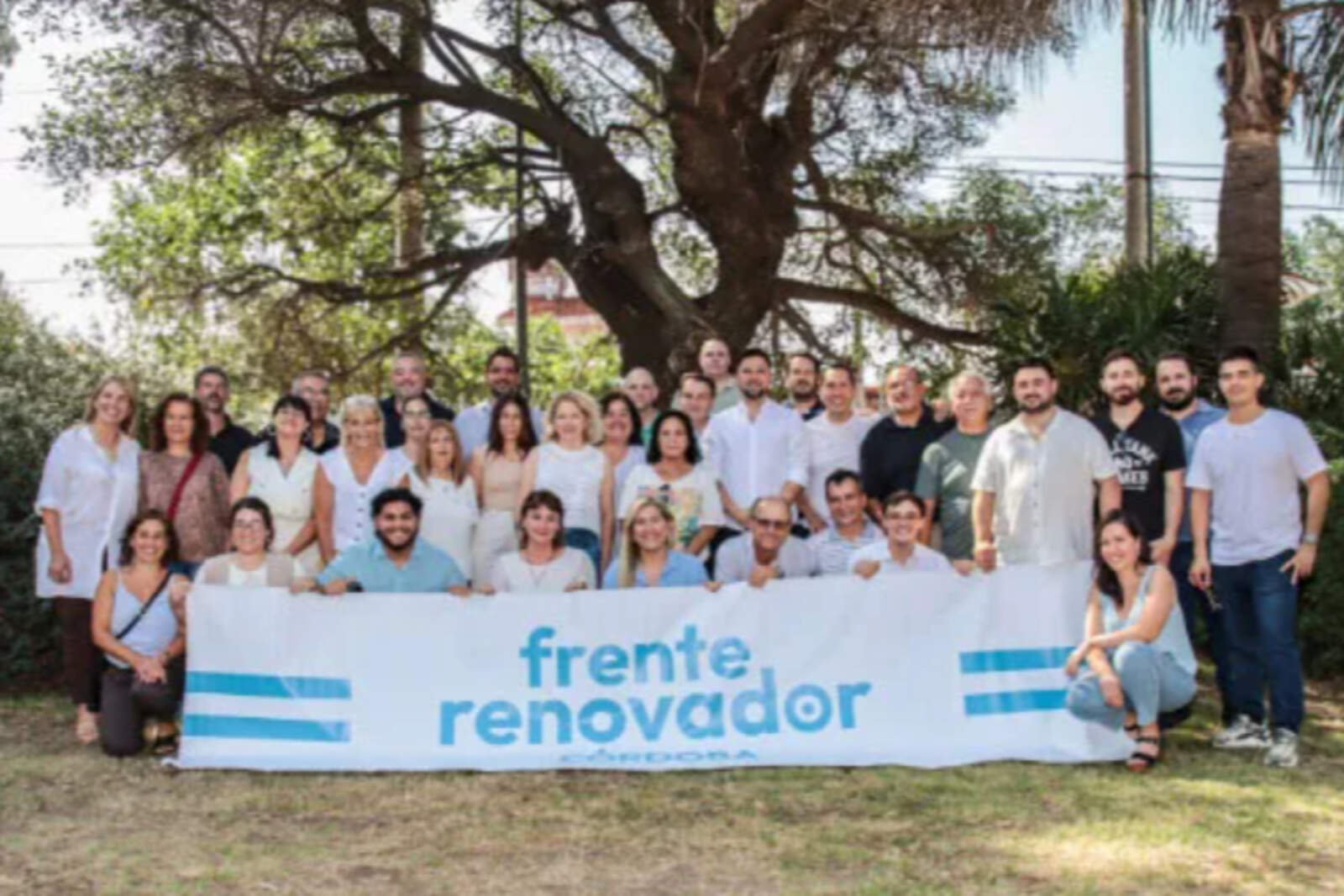
The arrival of Frente Renovador in Córdoba sparked laughter when recalling Sergio Massa's time at the Ministry of Economy, which left the country on the brink of hyperinflation. The formalization of the provincial label was presented as a political reorganization, although in Córdoba his figure faces high levels of rejection. District leaders maintain that any massista attempt will lack real traction in a province where Milei received overwhelming support in 2023.
The creation of the party was driven by Tania Kyshakevych and Agustín González, who are now leading the provincial leadership. Both emphasize the intention to establish a space with prospects for 2027, despite the challenges posed by the Córdoba political landscape. Local leadership considers it unlikely that this structure will manage to insert itself into an electorate that associates Massa with the Kirchnerism the province has rejected for two decades.
The organization is presented as a tool to attract leaders disenchanted with the provincial ruling party, although its reach is perceived as limited. In Córdoba, Mediterranean Peronism faces internal tensions and views any attempt at external reconfiguration with suspicion. It is already known that Frente Renovador will play a merely symbolic role in a territory that has never endorsed projects linked to Kirchnerism.
Sergio Massa y Tania Kyshakevych, titular del espacio en la provincia
A bet with no electoral base whatsoever
The massista platform will try to position itself in a saturated political space, where an openly anti-Kirchnerist vote prevails. The historical distance between Córdoba and Kirchnerism further complicates a project that carries the burden of Massa's failed economic management. This relaunch appears disconnected from Córdoba's political will, which is currently aligned with the libertarian direction.
Meanwhile, while Frente Renovador is enthusiastic about future territorial constructions, the provincial ruling party is assessing how this new, merely symbolic political offering will have an impact. Within Llaryorismo, the idea persists that the massista presence doesn't alter the board, although it could attract figures seeking to reposition themselves. Leaders from the interior rule out the possibility that this structure could replace provincial Peronism in terms of representation or real power.
Meanwhile, national massismo is preparing a meeting with its leader to define guidelines and possible tours of Córdoba, despite the adverse political climate. Most local leaders doubt that a possible return of Massa will generate support in a province that firmly backs Milei. This arrival confirms that Frente Renovador seeks to survive politically, even in territories where its fate appears strictly testimonial.