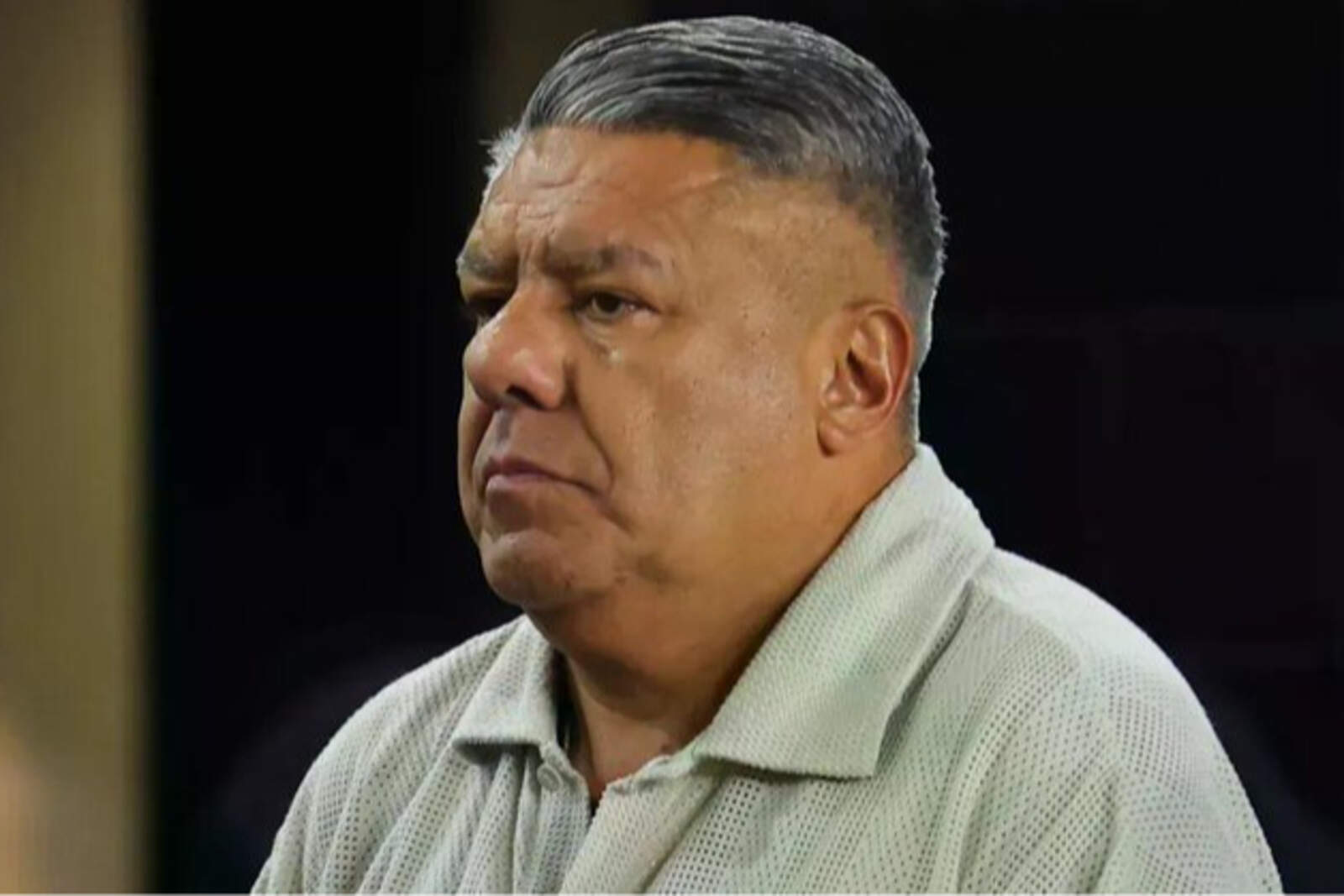
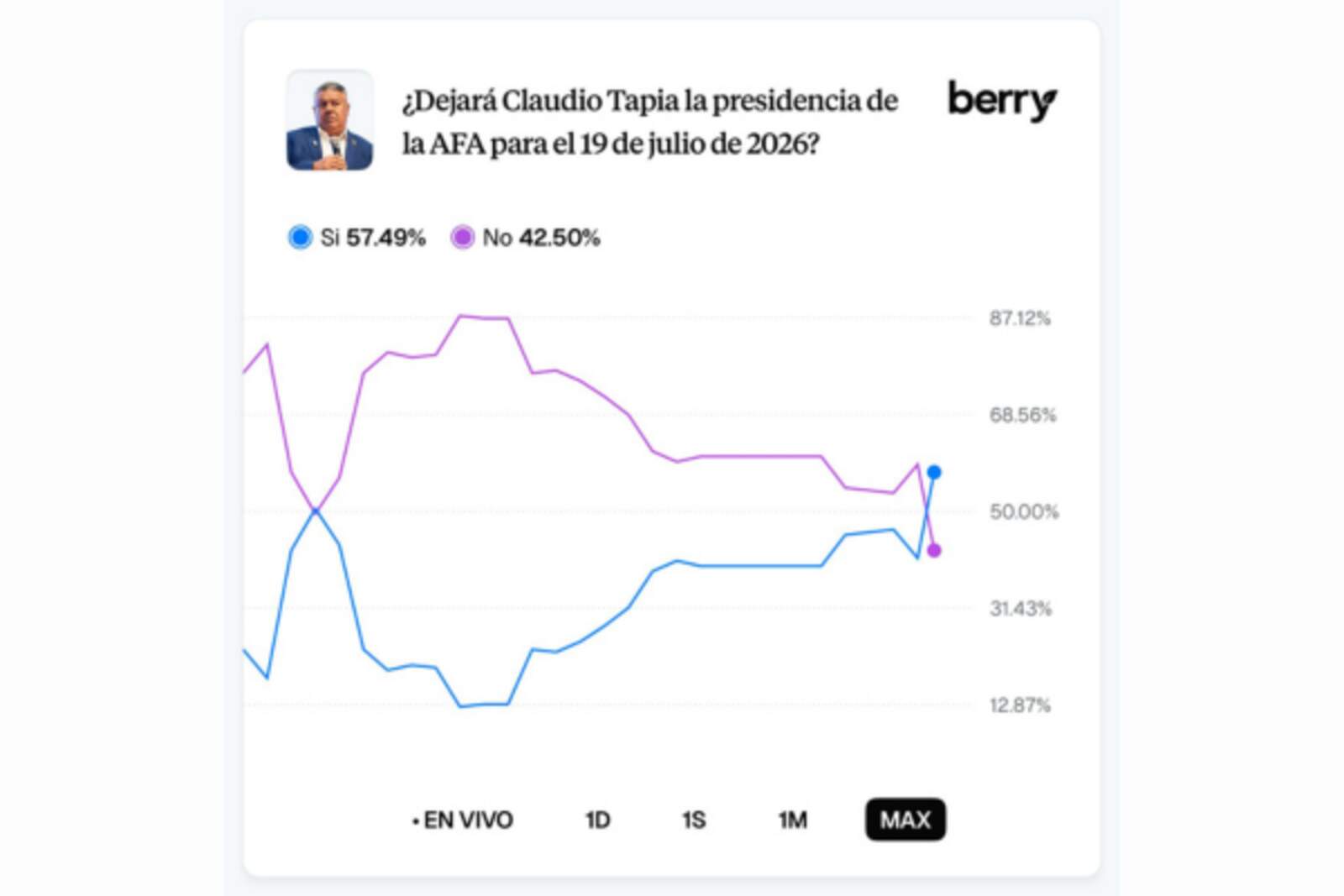
For the first time so far this year, the odds that the mobster Claudio "Chiqui" Tapiawill leave the presidency of the Argentine Football Association by next July 19, the same date on which World Cup 2026 ends, exceed 50%, according to political and financial operators consulted by consulting firm Berry.
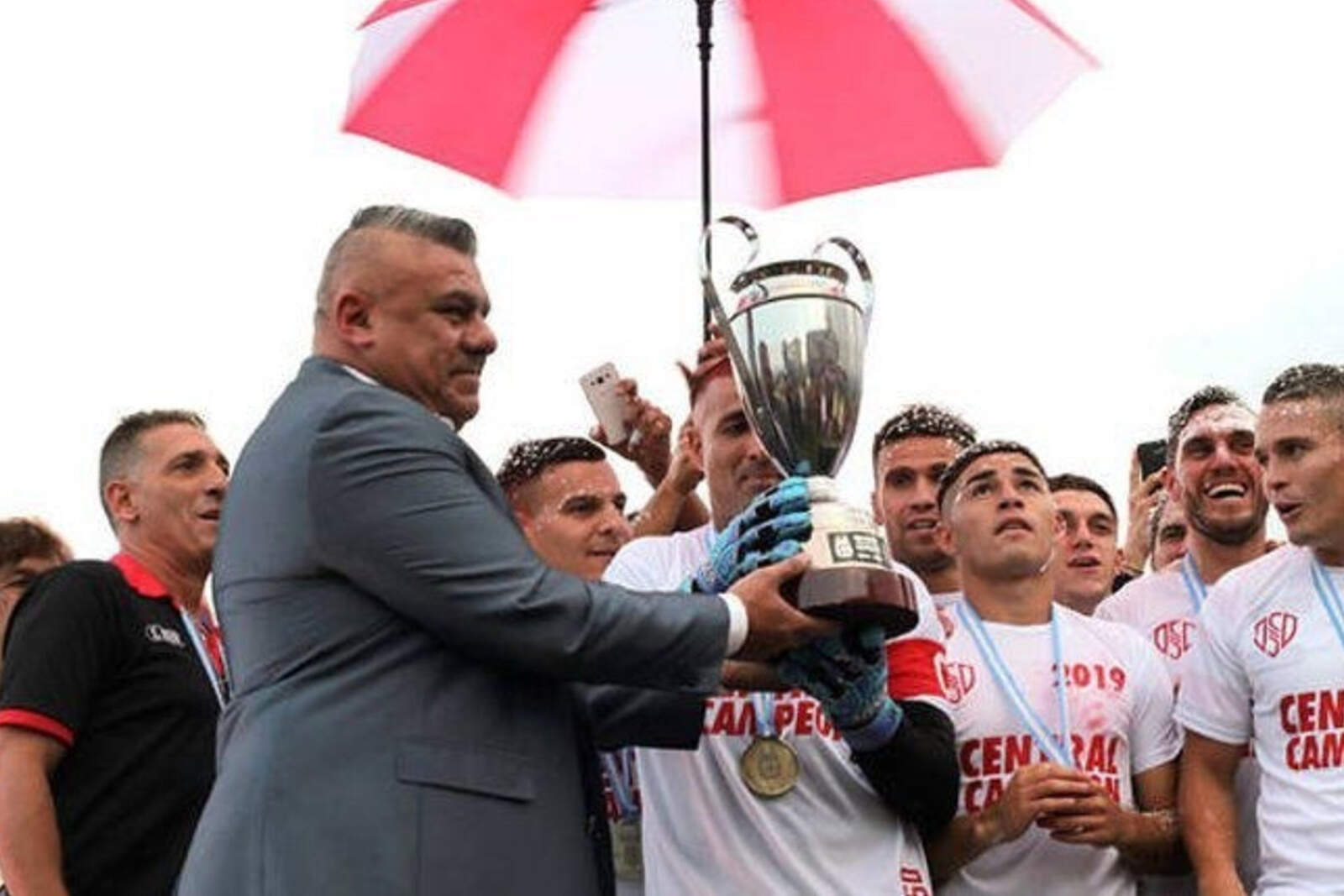
Las probabilidades de que el Chiqui Tapia deje la presidencia de la AFA
With 57.49% stating that he will step down versus 42.50% who do not see it as possible, a break is marked in a scenario that, until a few months ago, seemed completely closed in favor of the continuity of the official.
Tapia's possible departure would not be linked to a single specific cause, but to the convergence of multiple fronts of conflict that have eroded his internal power, his public image, and his room for institutional maneuver.
Judicial scandals and financial suspicions
One of the central factors is the growing judicial front surrounding the AFA president and his closest associates, among them treasurer Pablo Toviggino. In December 2025, Tapia was criminally charged for the alleged unlawful withholding of pension contributions and social security contributions corresponding to employees of the entity. Although AFA denied any irregularities, the case remains open.
On top of that, there is an investigation for alleged money laundering, which targets the diversion of around 240 million dollars from international contracts (friendlies and sponsorship agreements) to accounts in the United States through intermediary companies. The case file, still at a preliminary stage, has caused alarm both in oversight bodies and in sectors of football itself.
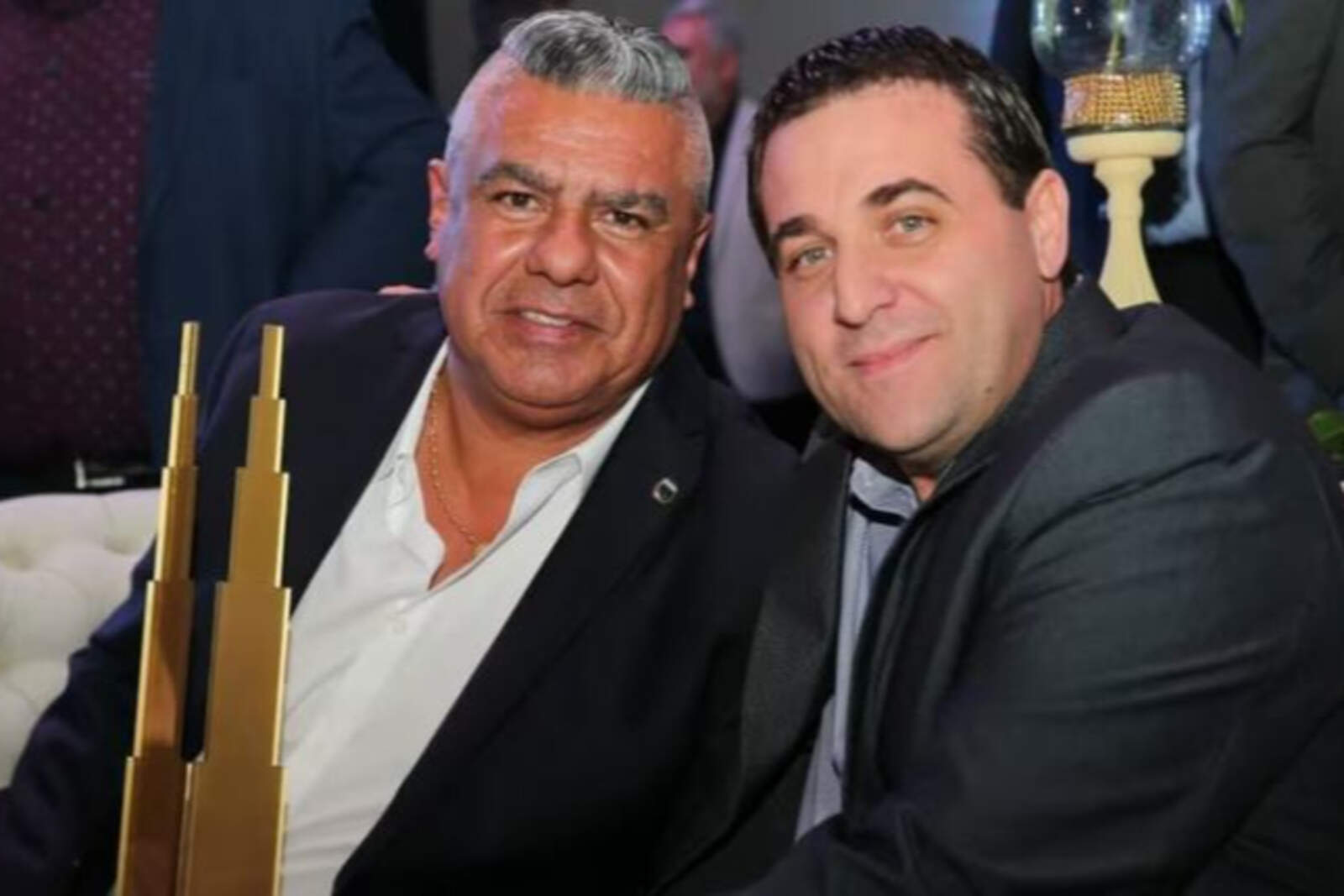
Tapia y Toviggino están hasta las manos en la Justicia
Another episode that hit hard was the so-called "Pilar mansion" case. The complaint investigates the use of an AFA corporate card to cover monthly expenses of nearly 50 million pesos, linked to a luxury property that would be in the name of alleged front men from the official's inner circle.
An increasingly questioned domestic football
In parallel, Tapia's sports management is going through one of its most criticized moments. Analysts, officials, and coaches agree that the current 30-team tournament is the lowest-quality one in decades. The decision to cancel relegations on multiple occasions in order to maintain that format was read as a political measure aimed at preserving support, to the detriment of competitiveness.
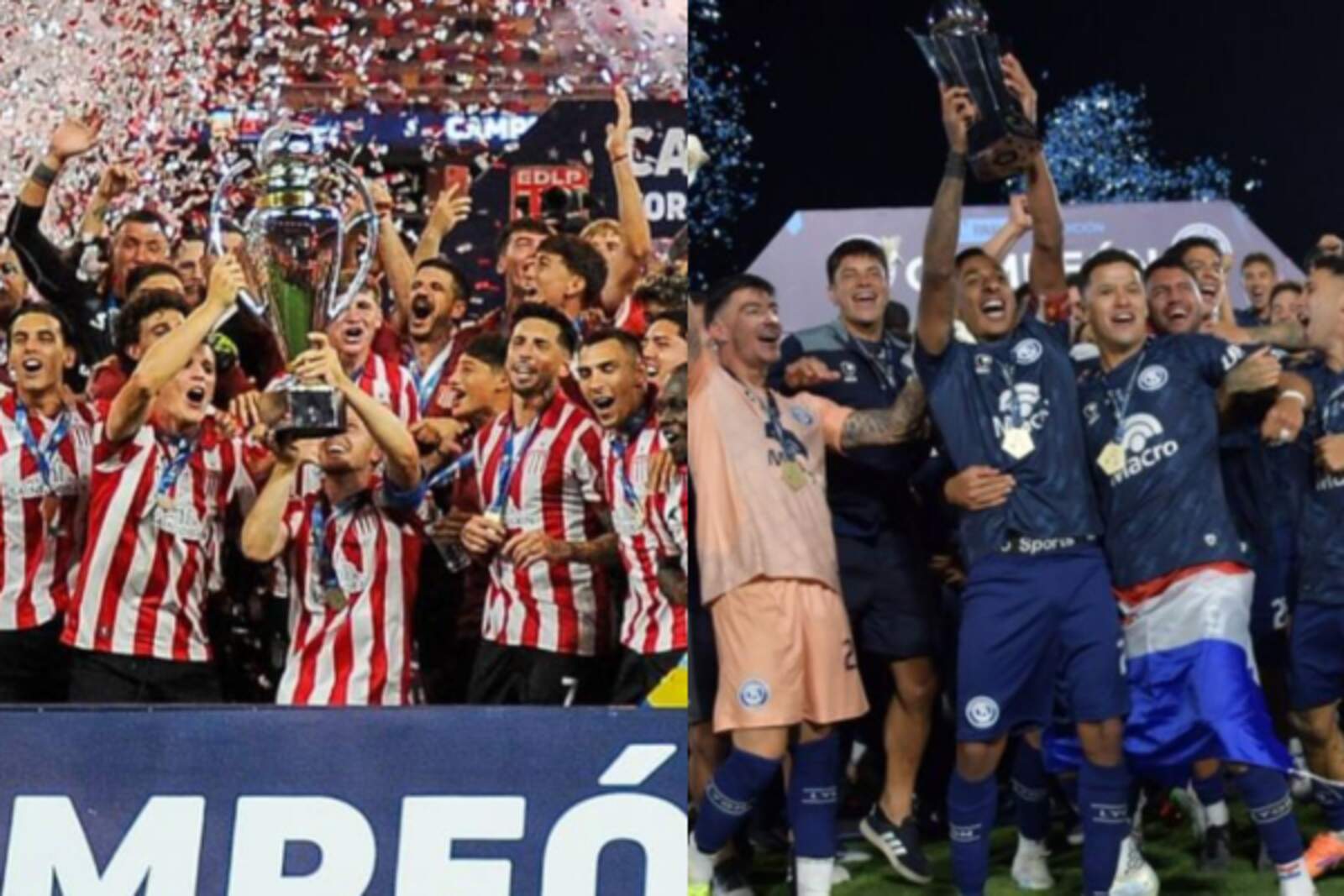
The economic aspect also exposes a gap that is difficult to justify: the prizes awarded by AFA are miserable compared with Brazil, its main regional competitor. While in the neighboring country the amounts are in the tens of millions, the champions of the Apertura and Clausura barely receive 500,000 dollars, while the winner of the Copa Argentina earns a total of 237,500 dollars.
Los campeones del fútbol argentino ganan miserias
This lack of financial incentive is then reflected in the teams' inability to strengthen their squads properly, improve their infrastructure, and compete at the highest level.
On top of the above, there is the constant modification of regulations, changes on the fly, and the invention of new tournaments, a combination that confuses the public, wears down the clubs, and reduces the championship's predictability and seriousness.
Accusations of favoritism and disciplining
Another of the most persistent criticisms points to favoritism toward clubs close to AFA's power structure. Barracas Central, Central Córdoba and Deportivo Riestra are often mentioned as examples of preferential treatment, both in refereeing decisions and in administrative rulings.
El Chiqui Tapia favoreció a varios clubes amigos, entre ellos Barracas Central
It should be clarified that several of these favored teams are covert Sports Corporations, something that contradicts the categorically anti-SAD stance maintained by the current leaders of Argentine football.
Meanwhile, complaints about repression of internal dissent are also growing. Opposition officials claim to have received direct or indirect pressure. The most prominent cases were those of Andrés Fassi, president of Talleres, and Juan Sebastián Verón, president of Estudiantes de La Plata.
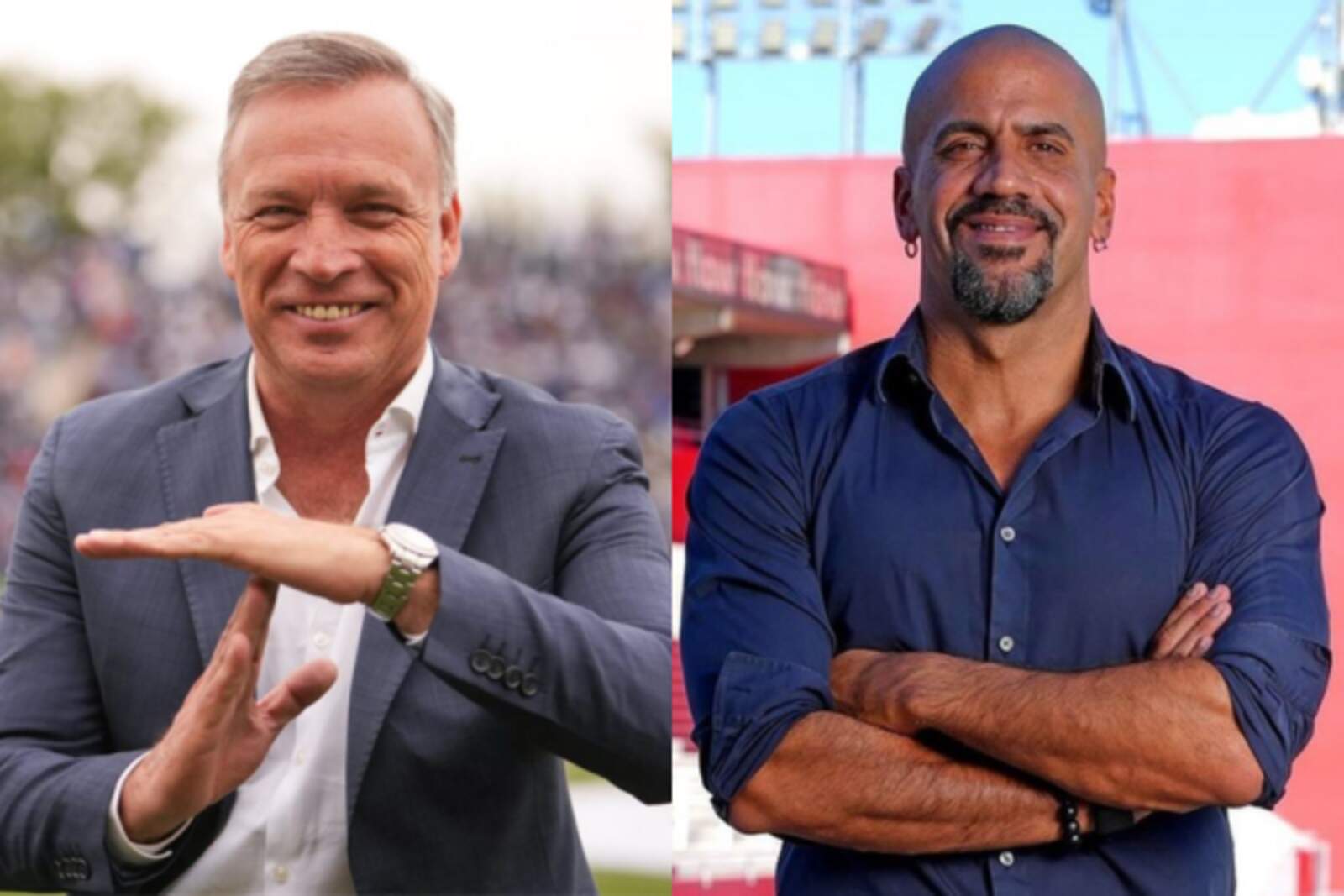
Fassi y Verón fueron los únicos que se mostraron abiertamente en contra de Tapia
The president of Talleres had publicly clashed with AFA's leadership, but he ended up apologizing to avoid harsher sanctions at a delicate sporting moment. Meanwhile, the boss of Pincharrata was unfairly sanctioned after his team turned their backs in the guard of honor to Rosario Central's players, who had won a cup created overnight without a clear vote by the clubs.
Clash with the Government and waning power
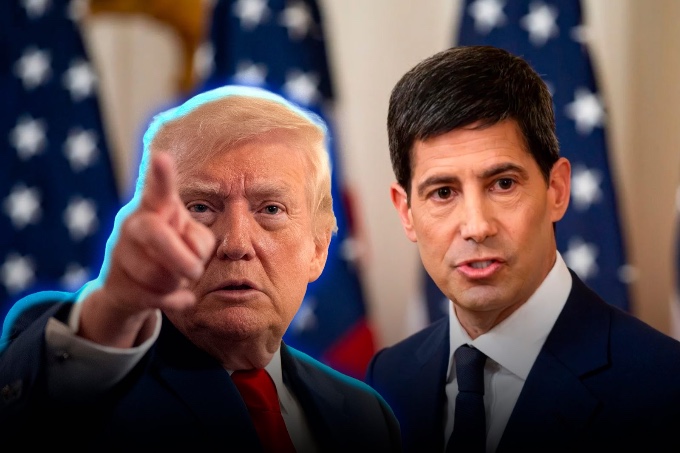
The open confrontation with the current Executive Branch is another key element. From the government of Javier Mileithe legality of AFA's institutional management is being questioned, while the entity responds by denouncing attempts at intervention and political persecution. The dispute, far from being solved, has deepened and has left Tapia increasingly isolated on the political stage.
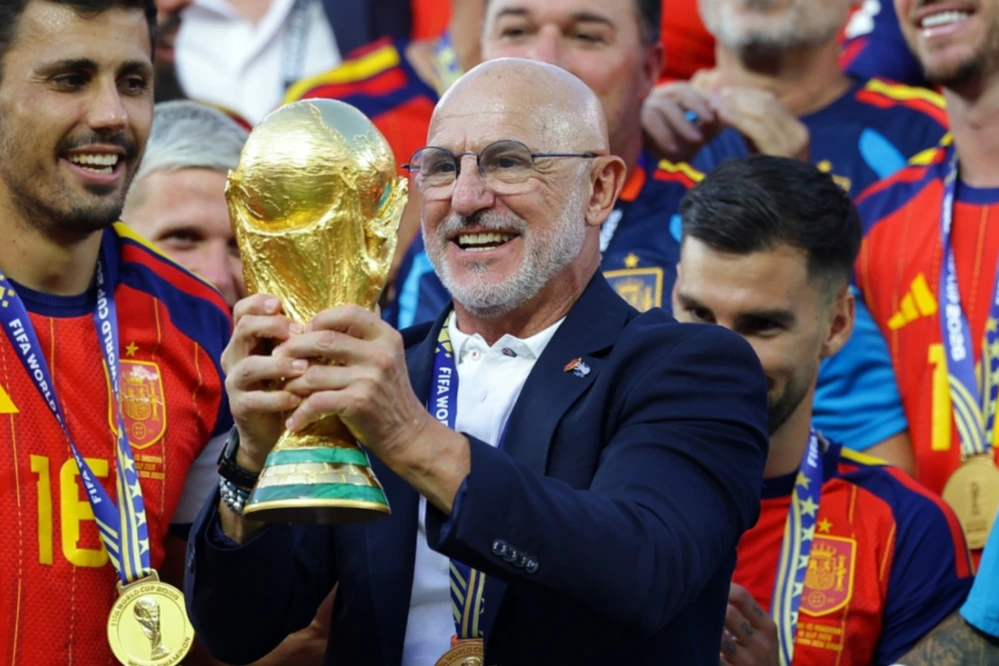
With the World Cup as the last major milestone of his administration, July 19 now appears as a watershed date. For the first time, even within the very system that supported him for years, it is acknowledged that the cycle of the nefarious Claudio "Chiqui" Tapia could be entering its final stretch.