He is accused of setting up and financing a structure intended for the production and dissemination of fake news on social media
Compartir:
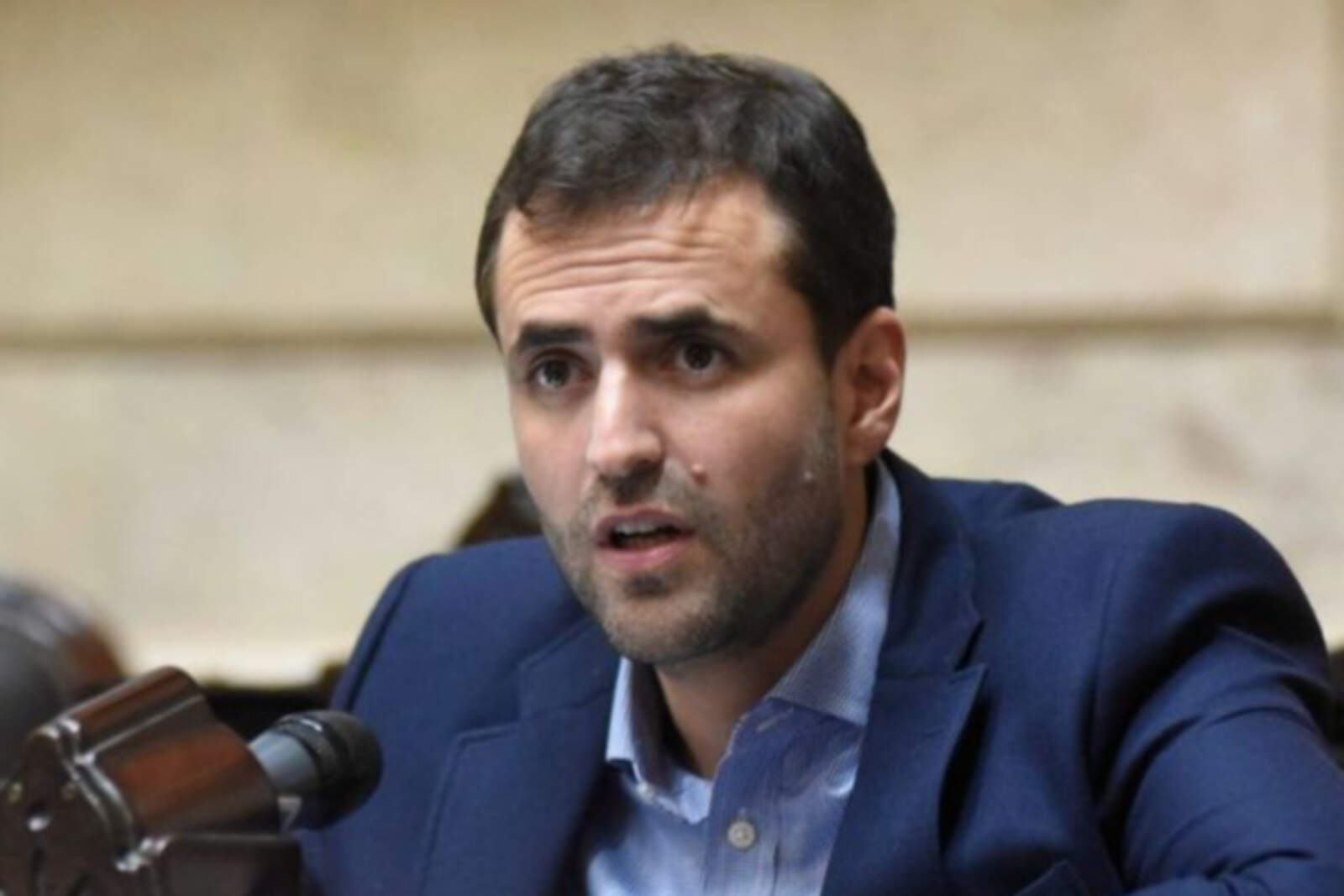
Federal Justice in Salta charged former national deputy for Unión por la Patria Emiliano Estrada this Thursday, who is accused of the crimes of abuse of authority and embezzlement of services.
The investigation keeps that, during his legislative term, the former lawmaker kirchnerista allegedly used state resources to set up a structure aimed at the production and dissemination of false news on social media, with the objective of linking the provincial government of Salta to activities related to drug trafficking.
The judicial case was only able to move forward after Estrada lost the parliamentary immunity that protected him. His term as national deputy ended on December 10, which enabled Justice to formalize the charges. Until that moment, the case file had been virtually paralyzed due to the immunities inherent to the legislative office.
El exdiputado kirchnerista Emiliano Estrada.
The request to lift his immunity had been filed in June by Attorney General Carlos Martín Amad. However, a series of procedural motions, jurisdictional challenges, and appeals delayed the handling of the case. These judicial obstacles extended for months, until Estrada's legislative term concluded and federal Justice was able to resume the momentum of the investigation.
The charges were finally endorsed by Federal Guarantees Court No. 2 of Salta, Mariela Giménez, who granted the request of the Public Prosecutor's Office.
The case against Estrada
The origin of the case dates back to a referral from provincial Justice, after the Cybercrime Prosecutor's Office determined that the former deputy had allegedly ordered the preparation and dissemination of a series of anonymous videos. According to the accusation, those contents sought to instill social fear and suspicions of collusion between provincial authorities and organized crime.
According to the investigation, the audiovisual materials were allegedly produced and disseminated by two advisers to the National Congress who were functionally subordinate to Estrada and held paid positions. The accusation keeps that public resources were used to finance these actions, which constitutes the core of the crimes charged.
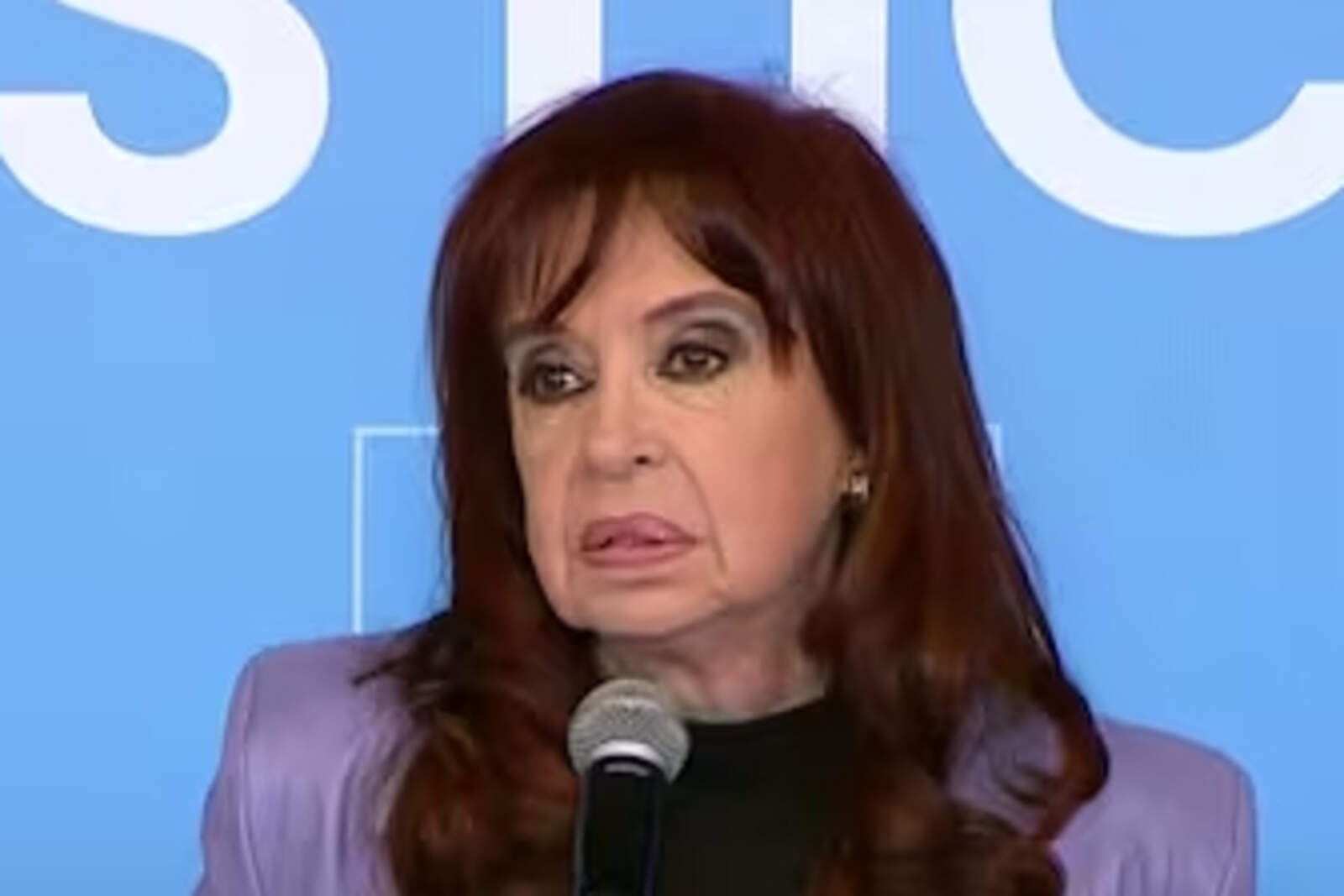
Cristina Kirchner.
During the arraignment hearing, Prosecutor Amad emphasized that the charges are not related to the former lawmaker's freedom of political expression. According to his explanation, the focus of the case is on the abuse of authority and the diversion of state funds for an improper purpose, such as financing anonymous campaigns aimed at manipulating or intimidating public opinion. He also stressed that these behaviors exceed parliamentary powers and violate the Public Ethics Law.
In that context, the prosecutor highlighted that the acts under investigation are not covered by the protections that shield lawmakers for their statements in the chamber or in the media. According to the accusation, the clandestine production of anonymous videos, funded with public money, departs from any framework of parliamentary immunity.
It is worth recalling that Emiliano Estrada was one of the nine "economists" who last November visited the corrupt, convicted Cristina Fernández de Kirchner at the residence on San José 1111, a meeting that subsequently led to restrictions on the entry of people to the residence where the former president is serving house arrest.