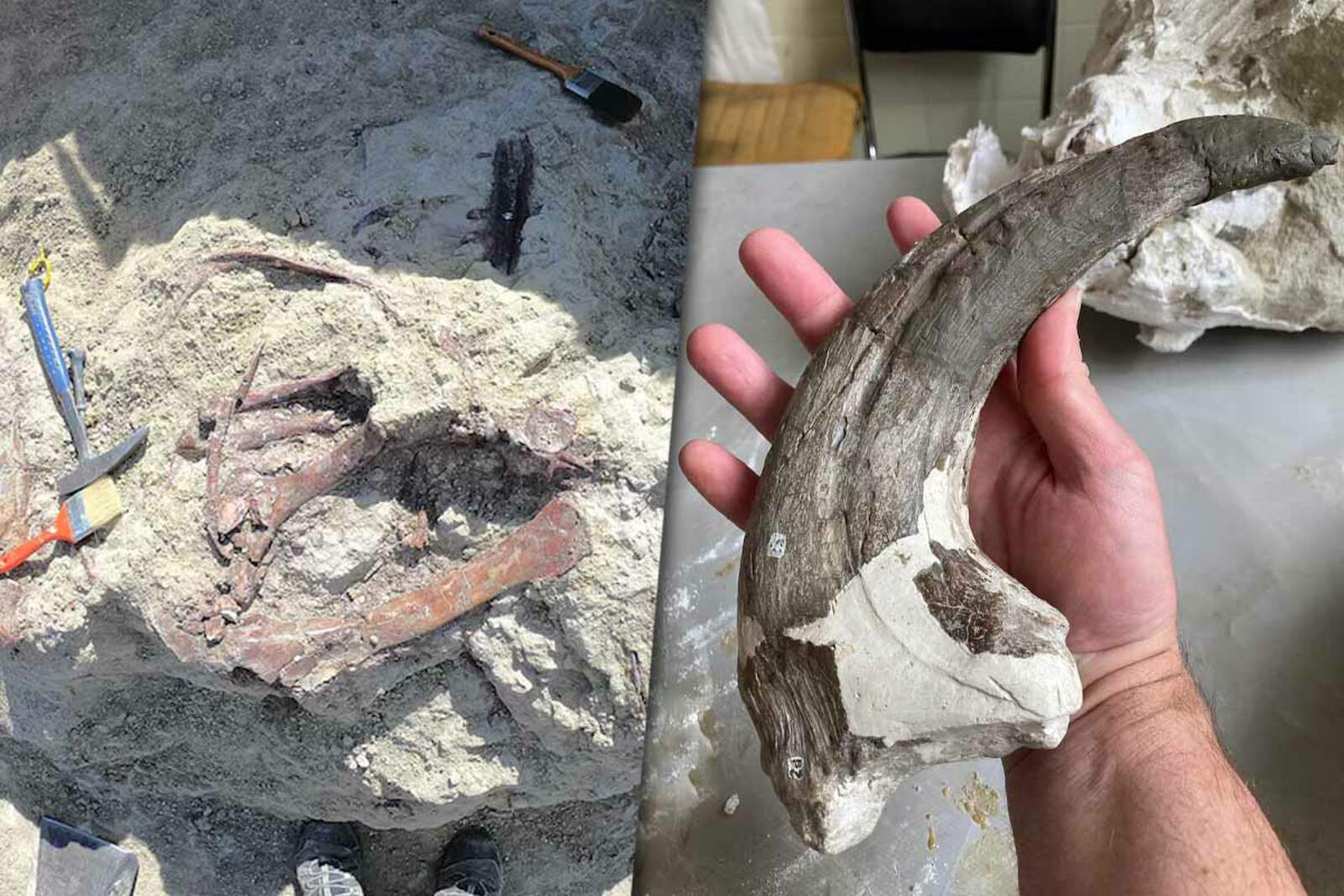
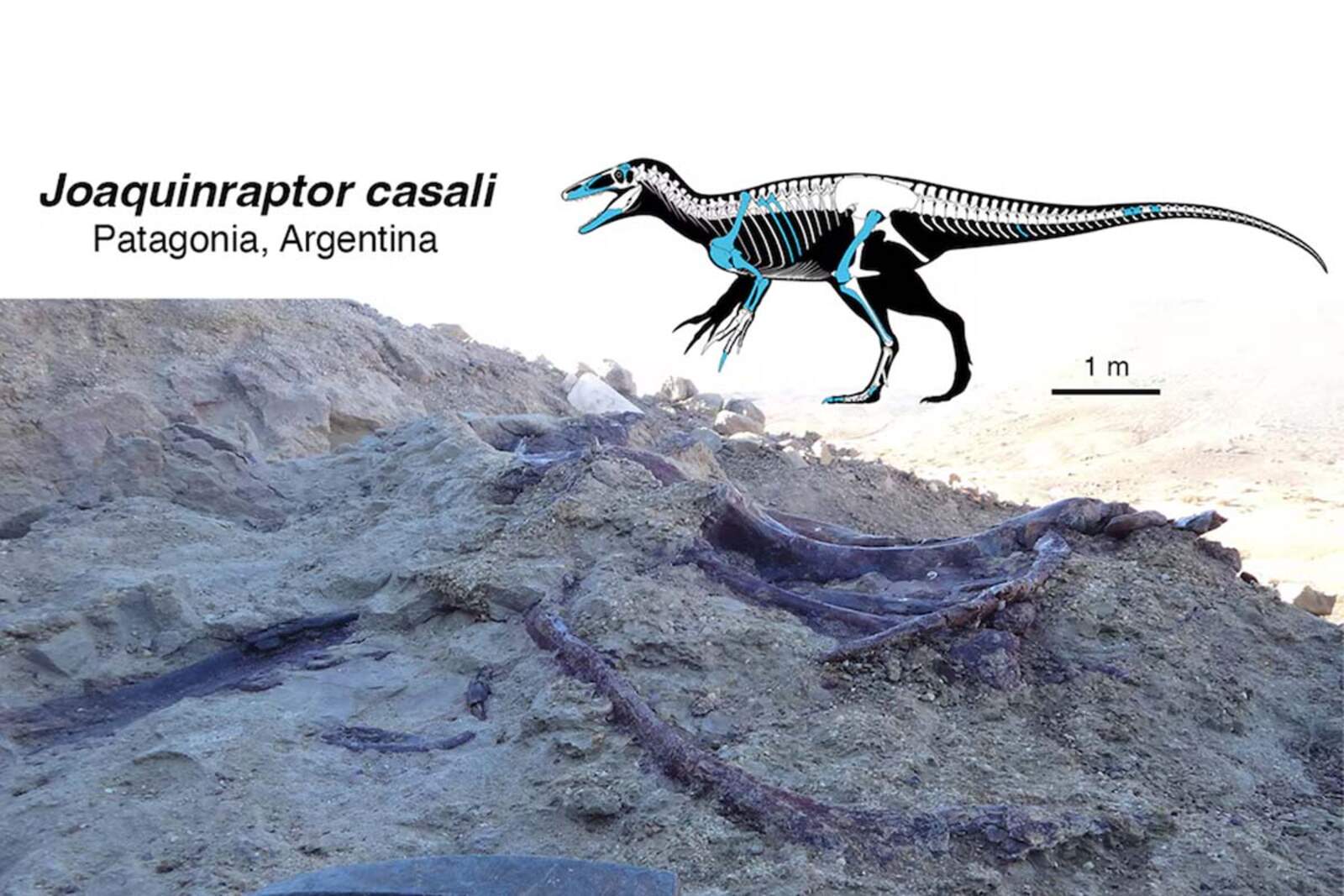
A team of Argentinian and American scientists has discovered the fossil of a carnivorous dinosaur previously unknown: Joaquinraptor casali. It lived about 70 million years ago in Patagonia, shortly before the extinction of non-avian dinosaurs.
The remains were found near Lake Colhué Huapi, in Chubut, and published in Nature Communications. This discovery provides a better understanding of the megaraptorids that dominated the region during the terminal Cretaceous.
Los restos fueron encontrados cerca del Lago Colhué Huapi, en Chubut
The discovery of the predator
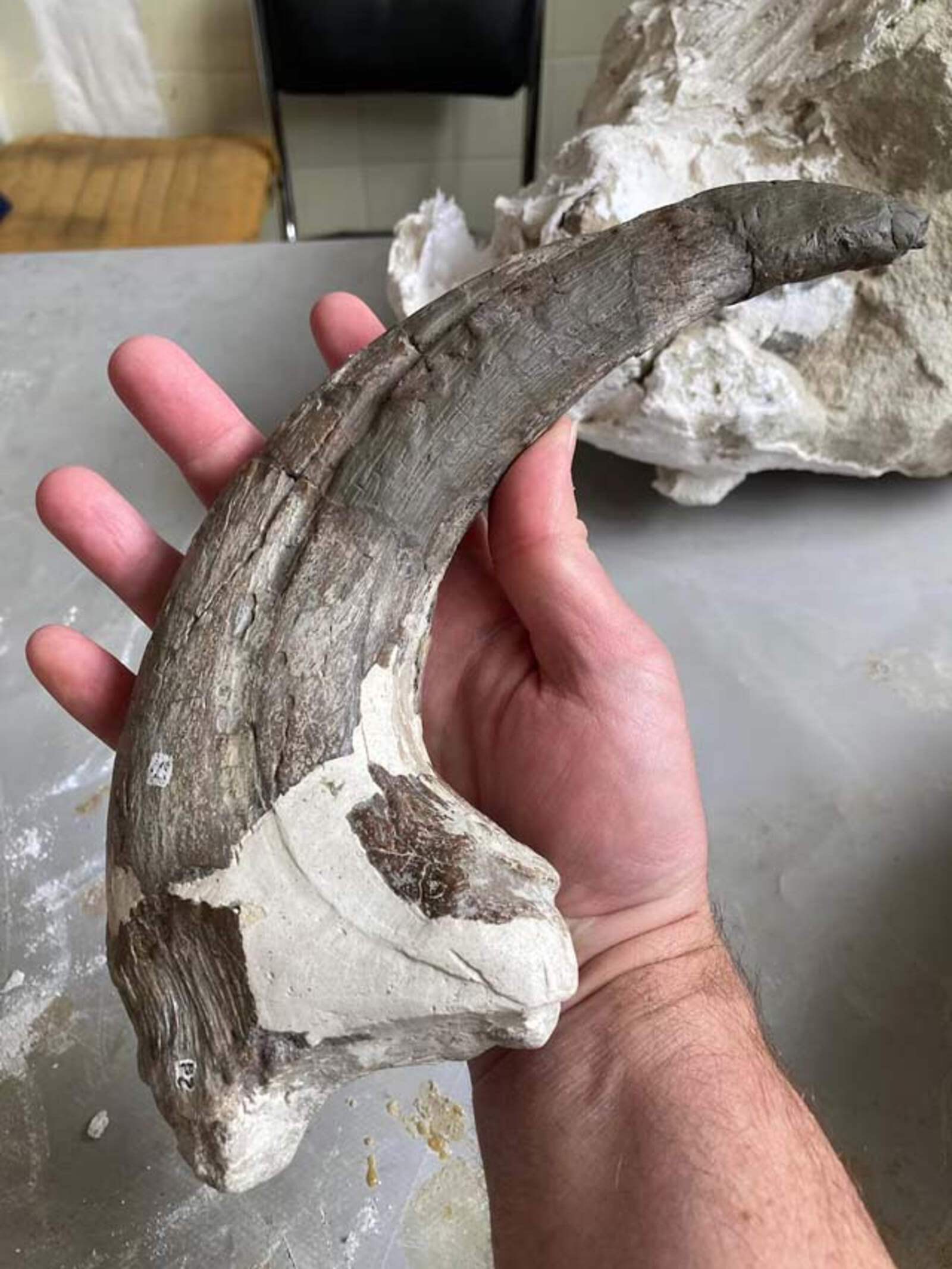
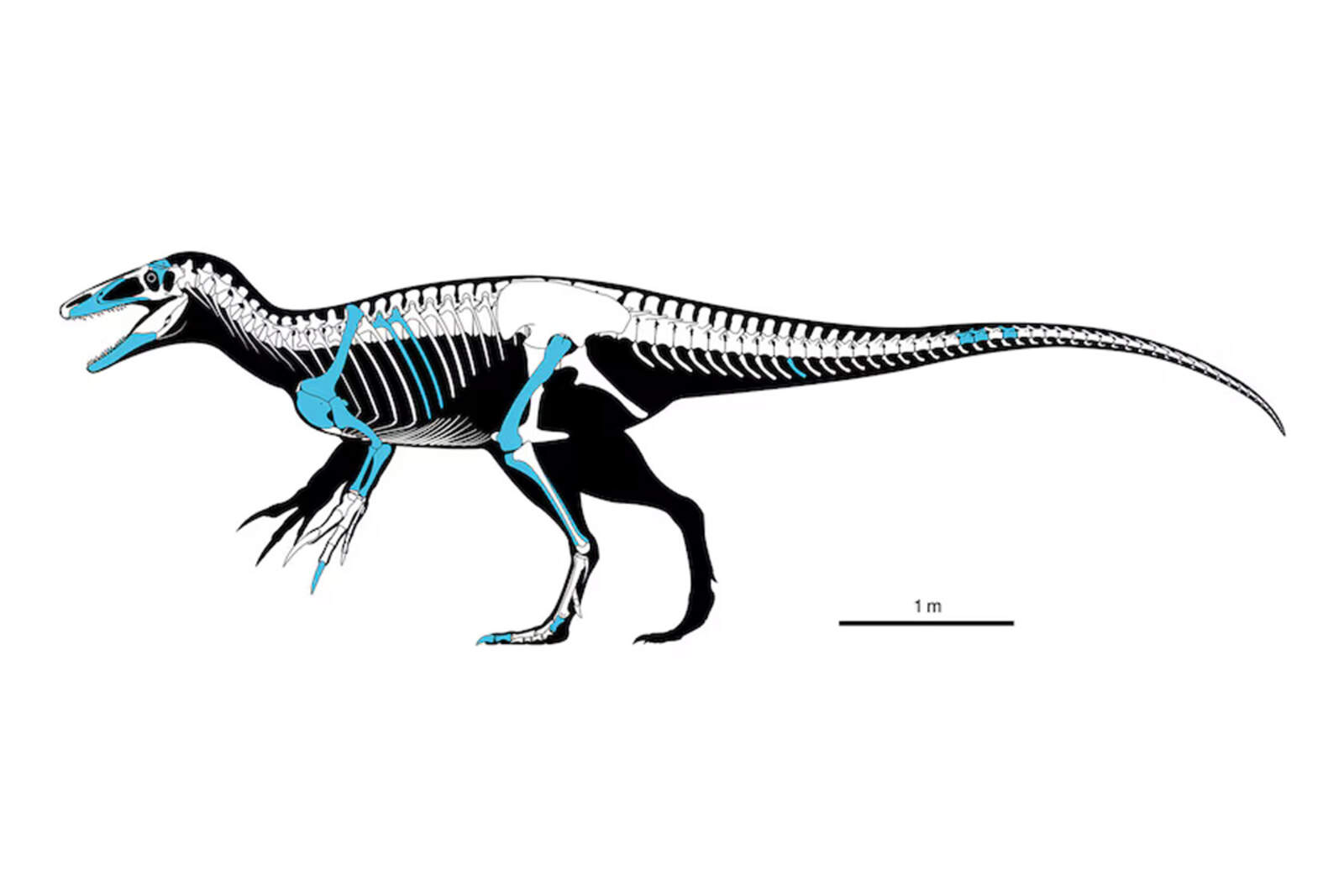
The skeleton includes the skull, vertebrae, ribs, leg bones, and arm bones. The researchers confirmed that it is a new genus and species. They named it Joaquinraptor casali, in honor of the son of researcher Lucio Manuel Ibiricu and paleontologist Gabriel Andrés Casal.
The adult specimen was about 19 years old at the time of death and had an estimated weight of over 1,000 kilograms (2,205 pounds). Its femur measured 685 millimeters, placing it among the largest and best-represented Patagonian megaraptorids known to date.
Evidence of its diet
A crocodile humerus was found between the dinosaur's jaws, showing that it hunted other vertebrates. "At first, it was difficult for us to interpret its presence, but it confirms that it was a predator that included crocodiles in its diet," Ibiricu told Infobae.
El esqueleto incluye cráneo, vértebras, costillas, huesos de patas y brazos
Importance for paleontology
Before this discovery, Patagonian megaraptorids were known from fragmentary fossils. Joaquinraptor allows for the comparison of skull bones and a better understanding of the osteology and evolution of these carnivores.
Fernando Novas, a Conicet researcher, stated that the discovery pushes the fossil record almost to the end of the Mesozoic Era. In addition, it confirms that megaraptorids were the main predators in southern South America.
Antes de este hallazgo, los megarratóridos patagónicos eran conocidos por fósiles fragmentarios
Open questions
The researchers emphasize that more discoveries are needed to determine whether all megaraptorids formed a single family and whether crocodiles were a regular part of their diet or a coincidence.