Energy left behind the chronic deficit and became the engine of Argentina's trade surplus
Compartir:
For the first time in its history, Argentina reached the largest energy trade surplus ever recorded, with a positive balance of USD 7.815 billion, according to official data from INDEC. At the same time, energy exports set an all-time record of USD 11.086 billion, with year-on-year growth of 14.1%.
The result marks the end of a period of structural deficit and distortive subsidies, and the beginning of a framework based on clear rules, predictability, and a leading role for the private sector. For years, energy was a drag on the external accounts, forcing the country to import fuels at high prices and draining the few dollars that entered the country.
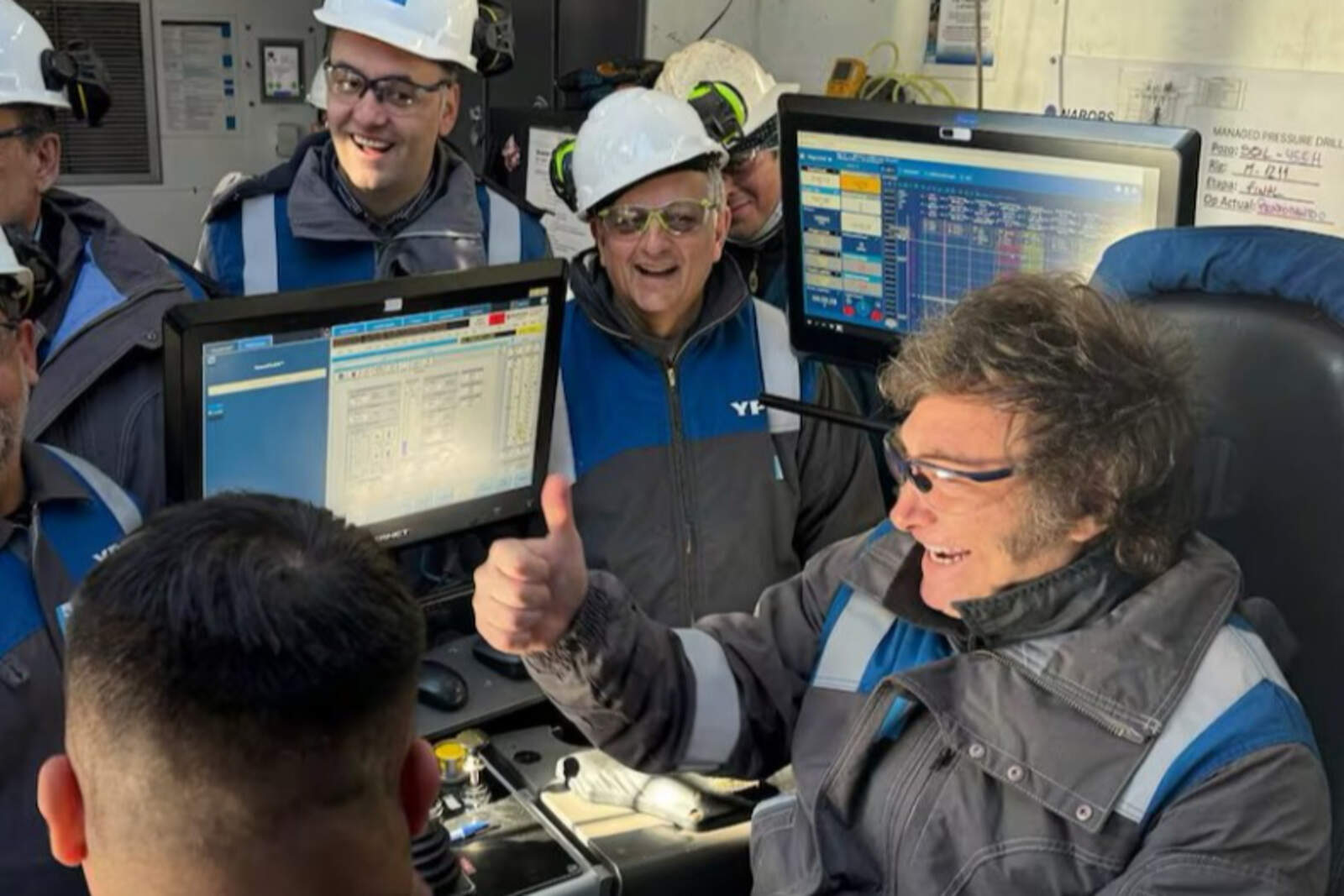
Javier Milei en Vaca Muerta.
The normalization of the energy sector made it possible to rebuild production, improve infrastructure, and boost exports. With a more rational regulatory framework and clear market signals, investment began to flow again, especially in hydrocarbons and energy associated with Vaca Muerta. The result was a sustained jump in external sales and a sharp reduction in energy imports.
This structural change has a direct impact on the economy as a whole. The energy surplus not only improves the trade balance, but also strengthens reserves, reduces external vulnerability, and consolidates the process of macroeconomic stabilization. Every dollar that is no longer spent on importing energy is a dollar that remains in the country and reinforces fiscal and monetary balance.
During Kirchnerist administrations, energy policy was marked by frozen rates, discretion, and the expulsion of investment, which led to billion-dollar deficits and dependence on foreign supplies. In contrast, the new approach made it possible to transform the sector into an engine of growth and foreign currency generation, leaving behind decades of improvisation.
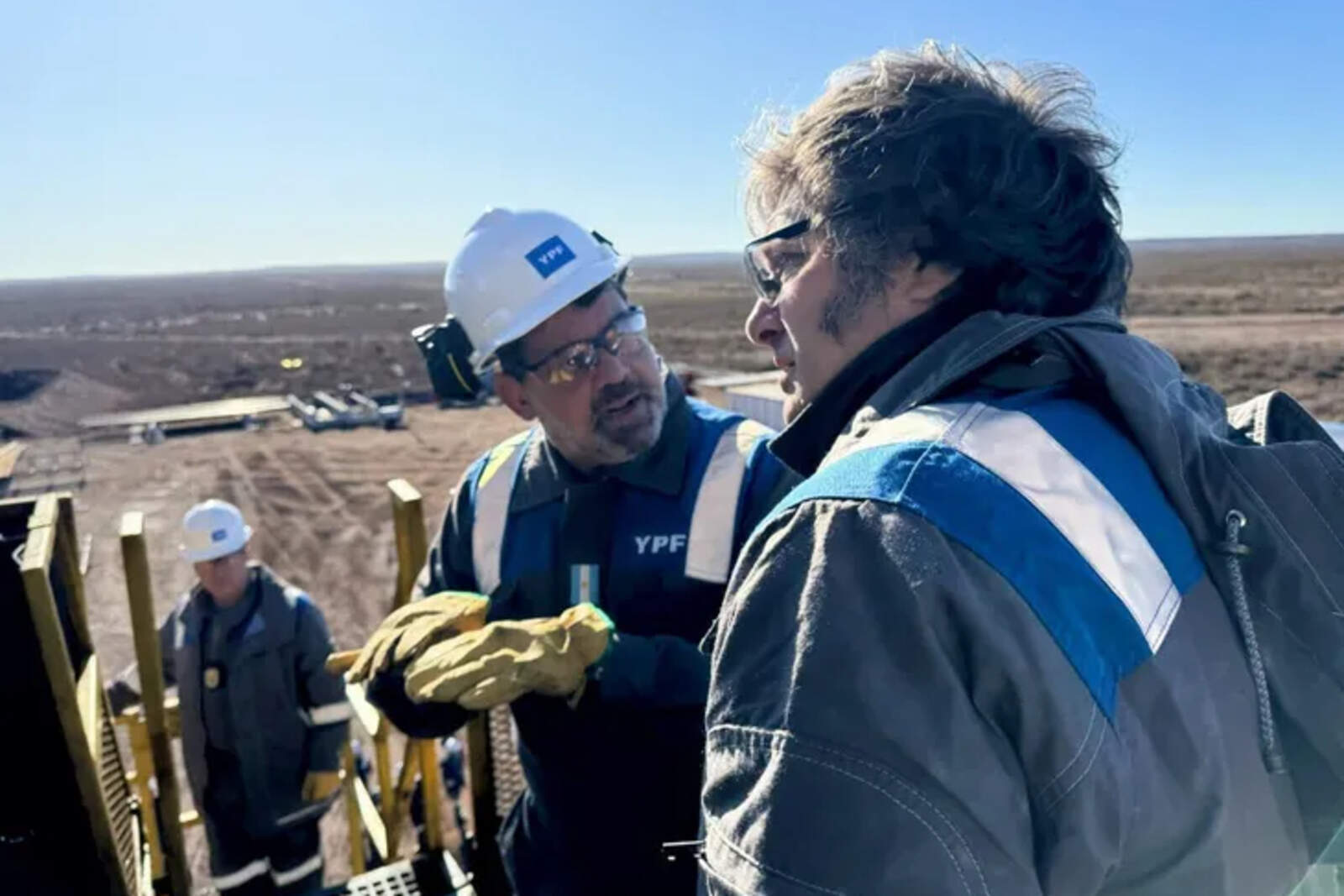
El presidente Javier Milei.
With capacity expansion projects, new investments, and sustained international demand, energy is emerging as one of the pillars of Argentine growth in the coming years.
The experience once again shows that when the State stops obstructing and limits itself to guaranteeing stable rules, the productive sector responds. In 2025, the energy issue not only stopped being a problem: it became one of the major solutions for the Argentine economy.