The government of Axel Kicillof once again distanced itself from the demand to eliminate export taxes on agriculture and put an old recipe of Argentine interventionism on the table. The Minister of Agricultural Development of Buenos Aires, Javier Rodríguez, proposed moving towards a segmented export tax scheme for small and medium producers.
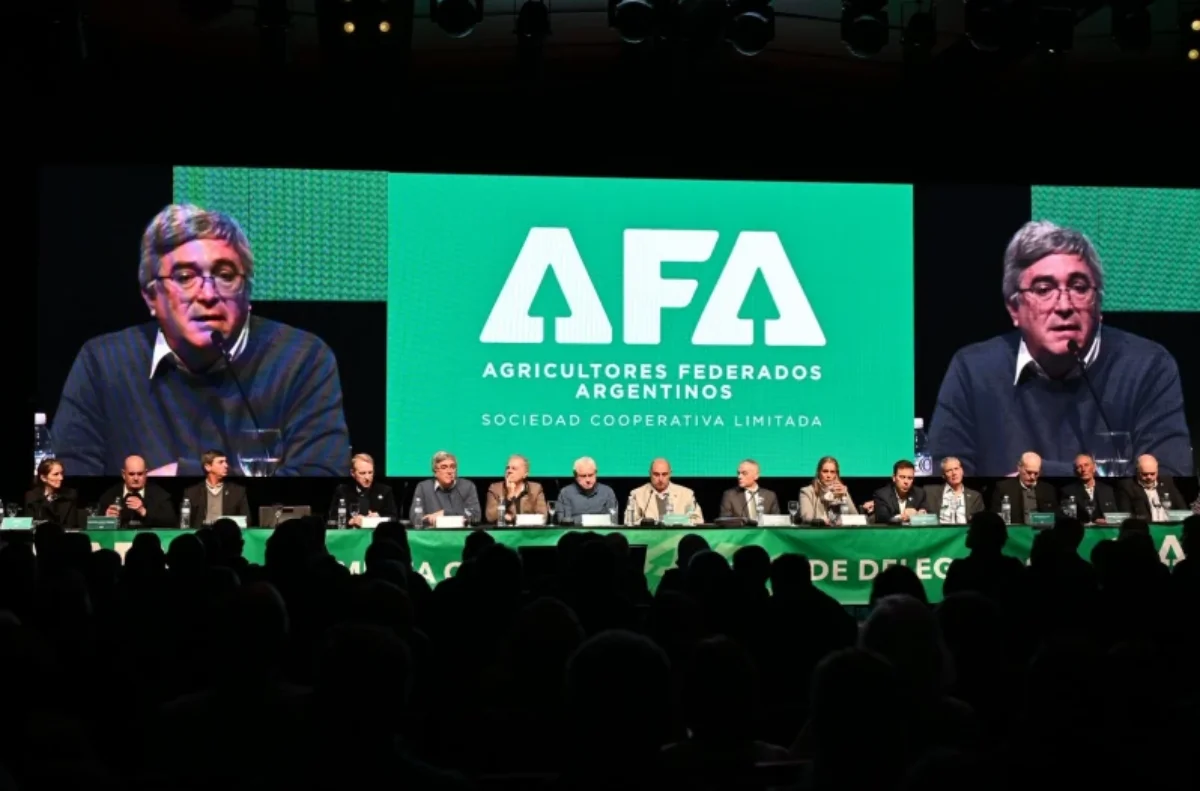
The proposal was made during his visit to Rosario, where the official participated in the annual assembly of Federated Argentine Farmers. There, he defended the "need" to differentiate the tax burden according to production scale, in line with the old proposal that the Agrarian Federation promoted in 2008 during the agricultural conflict.
The Keynesian minister participated in a conference in Rosario
“Export taxes need to be well differentiated, segmented. A smaller producer should end up paying proportionally less than a larger one,” Rodríguez stated, suggesting that not all producers should bear the same tax burden and proposing a principle of inequality before the law.
While various productive sectors and governors from the Central Region have been calling for the elimination of export taxes, the Kicillof administration avoids supporting a structural reduction of the tax and prefers to discuss new forms of confiscation.
Rodríguez argued that the profitability of agriculture does not solely depend on export taxes, but also on international prices, input costs, exchange rates, interest rates, fuel, and the rest of the tax structure. As an example, he pointed out that a two-point reduction in wheat export taxes could be neutralized if fuel prices rise by more than 25%.
The official also recalled the impact of the 2023 drought, which caused losses exceeding 20 billion dollars, and contrasted that scenario with the productive recovery recorded during 2024 and 2025: because the agricultural sector is doing better under Milei, he believes he can confiscate more money from them.
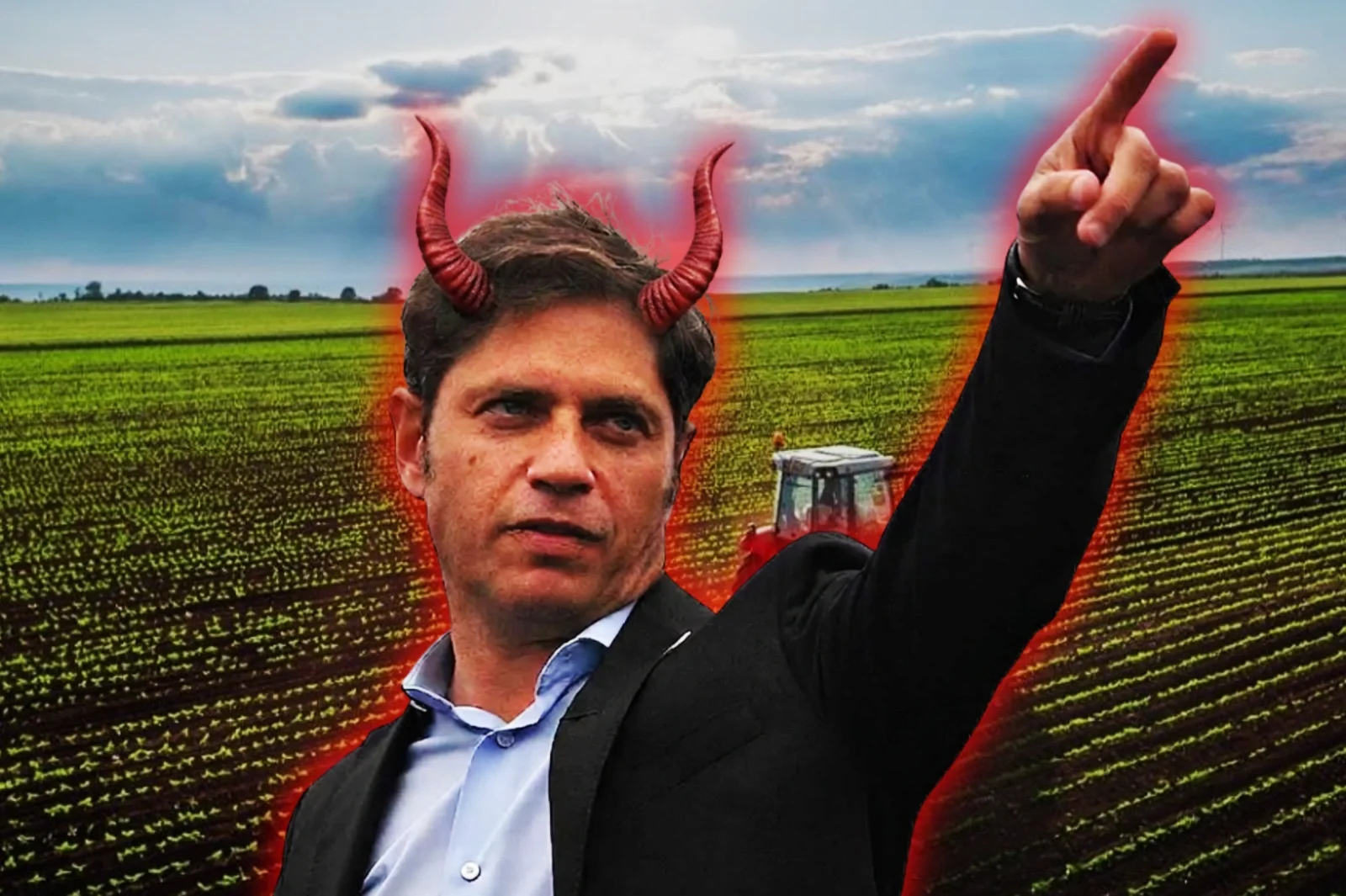
Javier Rodríguez alongside the Kirchnerist governor, Axel Kicillof
According to Rodríguez, talking about the “agricultural sector” as a homogeneous block is a mistake, because there are profound differences between regions, activities, and production scales. He defended the implementation of differentiated public policies for small, medium, and large establishments, along with an authority to confiscate the fruits of the producers' labor.
During his presentation, he also advocated for the role of subsidized agricultural cooperatives as a tool to boost production, generate employment, and sustain the attachment to local communities in the interior.