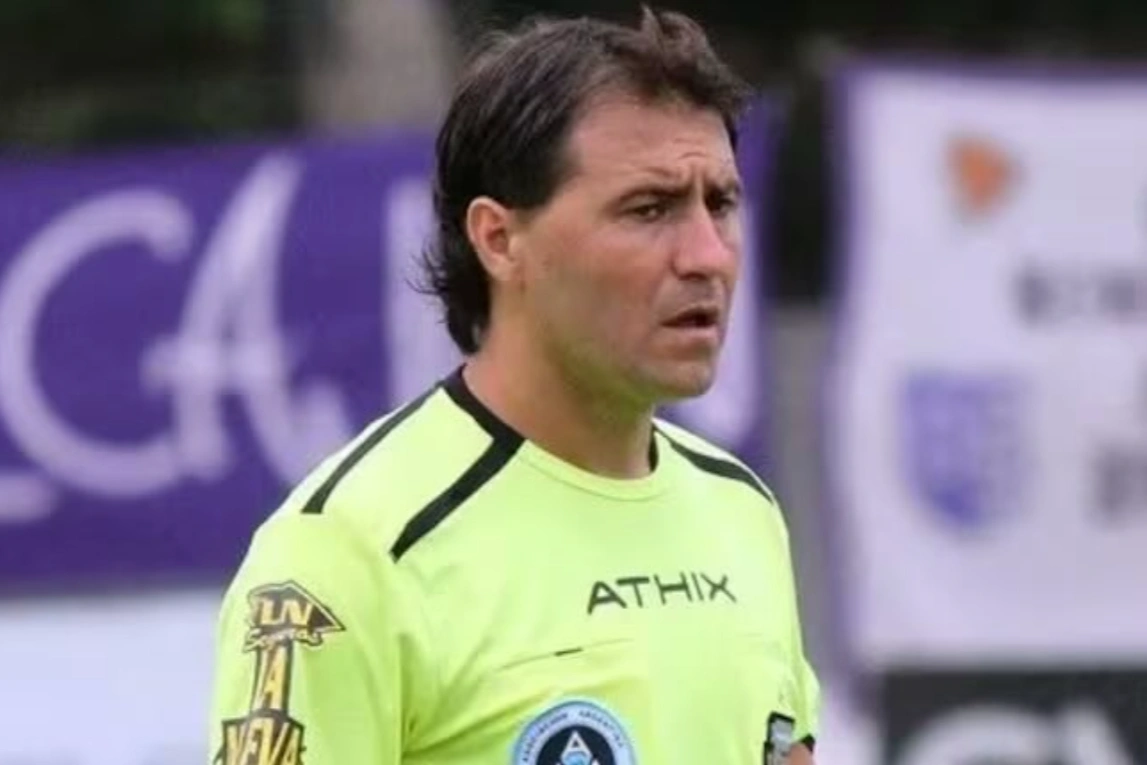
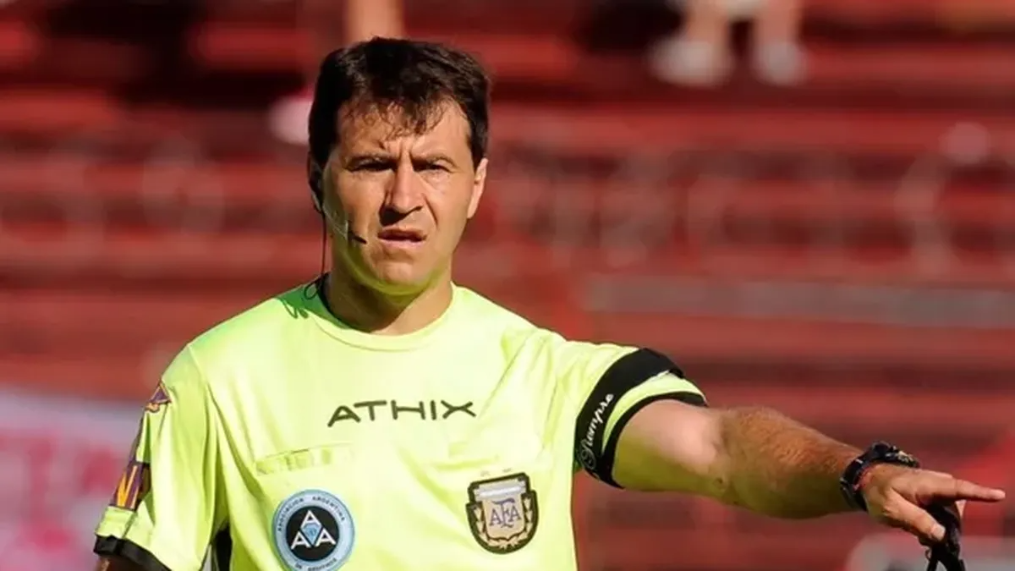
Almost a month after his controversial work in the VAR of the Superclásico between River and Boca, the figure ofHéctor Paletta has come under scrutiny again for extraneous reasons. In recent hours, it was revealed that in addition to his role as a referee, he is also a employee of the General Directorate of Culture and Education of the province of Buenos Aires, where he earns a salary close to 4.5 million pesos per month.
His connection with the Buenos Aires state, an agency led by Flavia Terigi, a Kirchnerist sociologist close to Axel Kicillof, has raised questions, especially regarding the level of income compared to other workers in the education system. For example, the referee earns four times more money than a teacher with 20 modules in the province and far exceeds most permanent administrative employees.
Paletta is gnocchi by Axel Kicillof
In this context, the case gained more public visibility, combining his role as a public official with his activity in professional refereeing, where he also receives similar income for his work in the Argentine Football Association (AFA).
In recent days, this situation has been compounded by an ongoing judicial investigation in which he is reportedly a key figure. According to reports, suspected financial movements linked to cryptocurrencies are being analyzed for amounts that would far exceed his declared income, opening a new front of controversy around his figure.
His controversy in the Superclásico
The name Héctor Paletta occupied a large part of the media agenda in the week following the Superclásico due to his performance, which was at least questionable. The referee was in charge of the VAR in the match and sparked debate for not calling the main referee, Darío Herrera, on the most disputed play of the game: the push by Lautaro Blanco on Lucas Martínez Quarta inside the area, which was not sanctioned as a penalty.
After the match, Paletta himself defended his decision and explained his reasoning: "My philosophy is always to try to support the field decision. There was a refereeing team that assessed that there was contact and that contact did not have enough force to bring down the defender". He also described the play as "gray" and questioned the media coverage: "Beyond a refereeing decision that for some may be a penalty and for others not, something media-related was created, a fusilamiento".
The consequences did not take long to arrive on the sports front. After the Superclásico, he was assigned to matches with less exposure and was not present in decisive stages of the tournament.