Tokyo will install a defense system in Yonaguni, 110 km (68.35 miles) from Taiwan, in response to Beijing's military advance
Compartir:
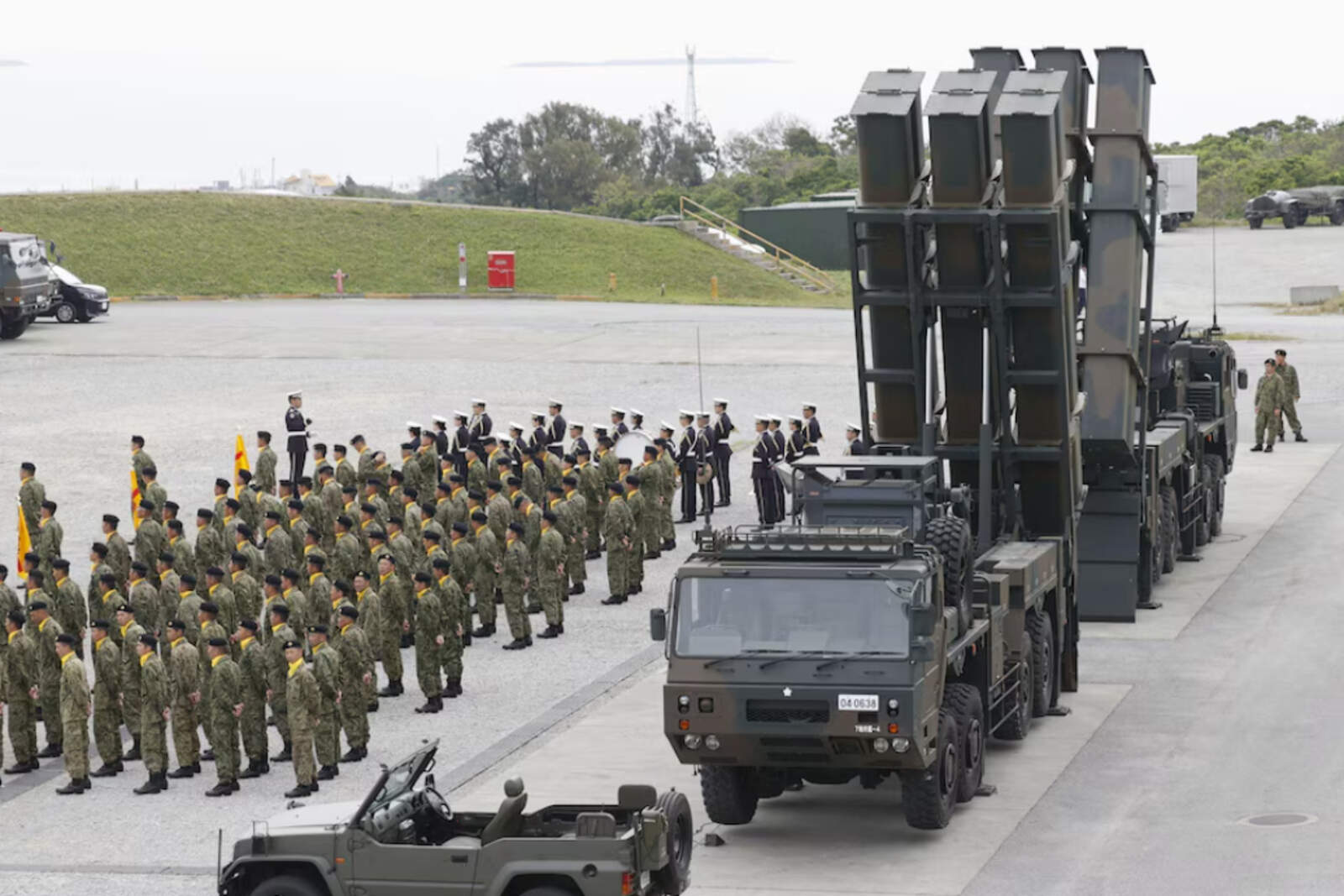
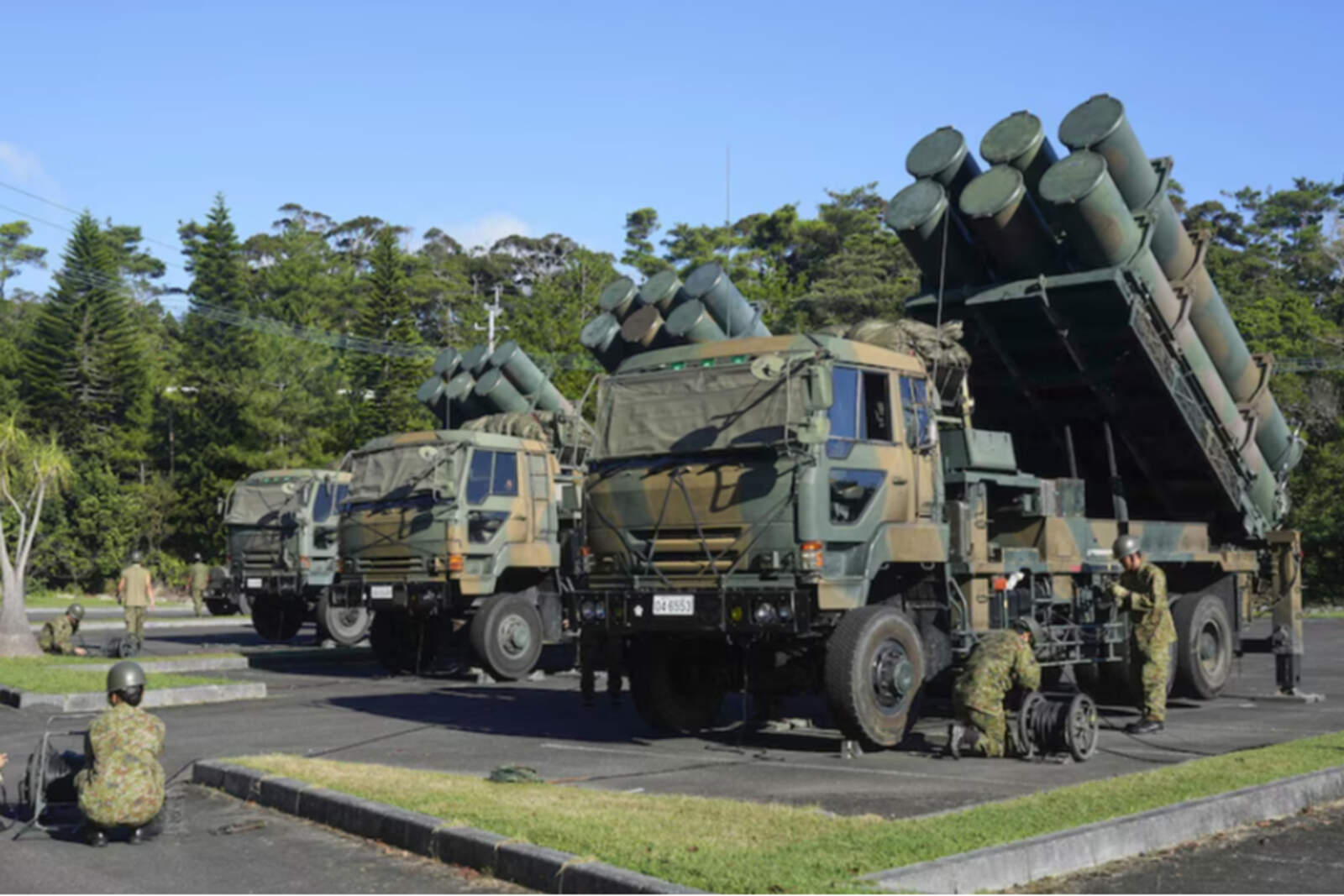
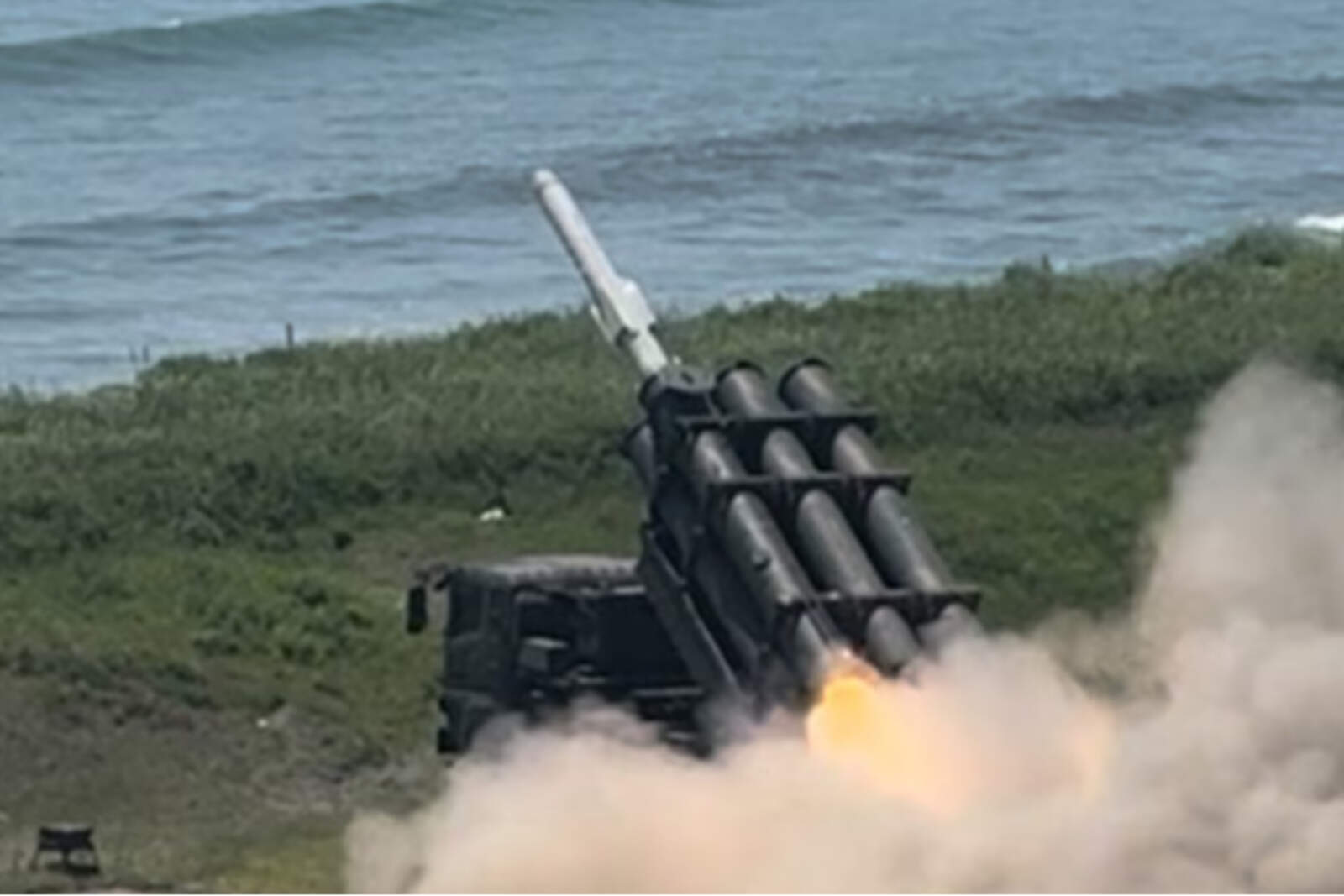
Japan will deploy medium-range surface-to-air missiles on Yonaguni Island before March 2031, in the closest defensive move to Taiwan in its recent history. The decision, confirmed by Defense Minister Shinjiro Koizumi, responds to the growing military harassment by the Chinese regime in the Indo-Pacific.
The system will be installed during fiscal year 2030, between April of that year and March 2031. Yonaguni, located just 110 kilometers (68.35 miles) from Taiwan, is Japan's westernmost island and is part of the Nansei archipelago. Although it already has a military presence, this will be the first time it will host a surface-to-air guided missile unit.
Deterrence against Chinese expansionism
According to the Ministry of Defense, the objective is to strengthen coverage against air threats in a strategic area. The Taiwan Strait has become one of the most sensitive points on the global geopolitical stage due to Beijing's constant pressure on the island.
Taiwan functions as an autonomous territory, but it is claimed by the People's Republic of China, which doesn't rule out the use of force to subdue it. A potential conflict would have a direct impact on Japan, given the geographical proximity and the presence of sea routes that are vital for its economy.
Japón desplegará misiles tierra-aire cerca de Taiwán ante la amenaza del régimen chino
Koizumi reported that on March 2 an information session will be held for Yonaguni residents in order to explain the scope of the project and reduce local concerns.
Growing diplomatic tension
The announcement comes after months of friction with Beijing. This week, Chinese Foreign Minister Wang Yi accused Japan of trying to "revive militarism" and questioned the strengthening of Japan's defenses.
In parallel, the Chinese regime imposed export restrictions on 40 Japanese companies, including firms linked to the aerospace and defense sectors. The measure was interpreted in Tokyo as a political reprisal.
Prime Minister Sanae Takaichi had already warned in November that Japan could intervene if China attacked Taiwan. That statement raised regional tension and made it clear that Tokyo will not remain passive in the face of an attempt to alter the balance in the strait.
Japón desplegará misiles tierra-aire cerca de Taiwán ante la amenaza del régimen chino
Regional strategy and alliance with the United States
The deployment is part of a broader plan by the Self-Defense Forces to reinforce southwestern Japan. In recent years, Japan has increased its military presence in the Nansei archipelago and has deepened cooperation with the United States through joint exercises and strategic planning.
Officials in Tokyo maintain that the strengthening of defenses seeks to guarantee national sovereignty and preserve regional stability. For Japan, the message is clear: any attempt at aggression in the Taiwan Strait will receive a coordinated response.
The move on Yonaguni marks a key point in the Indo-Pacific security architecture and sends a direct signal to the Chinese regime in a context of growing strategic rivalry.