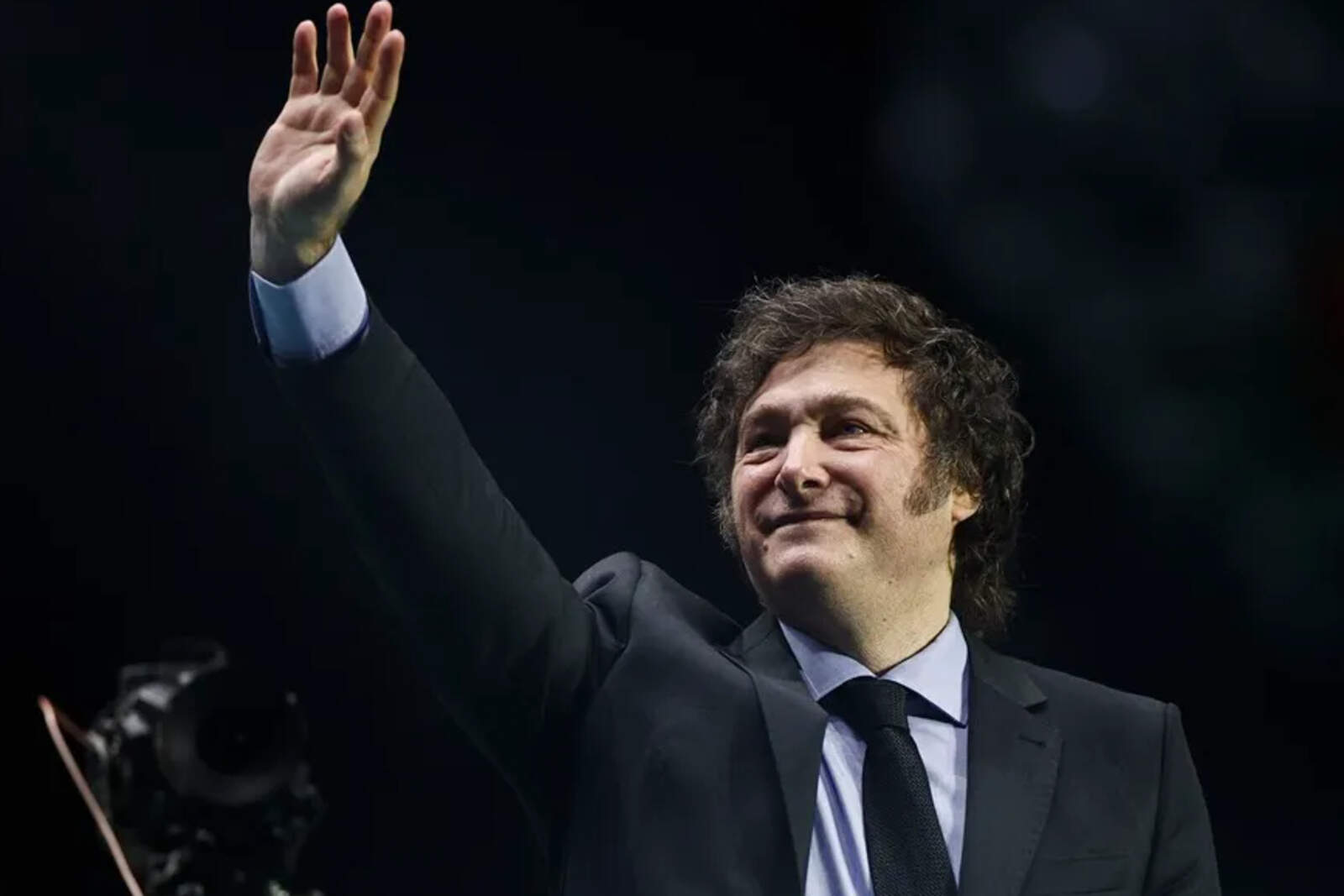

President Javier Milei is advancing the international projection of his political and economic agenda with an ambitious objective for 2026: to convene in Argentina a regional summit that will bring together the main leaders of the Latin American right aligned with the liberal-conservative vision promoted by his government and with the geopolitical framework embodied by Republican Donald Trump in the United States, the main strategic ally of the libertarian administration.
According to what has become known through a high-level source with access to the presidential office, the head of state is developing an initiative that is still incipient but has strong symbolic and political content: to shape a meeting that will bring together the top regional exponents who defend economic freedom, private property, and market openness, with the objective of consolidating a strategic alliance that will function as a counterweight to the populist governments that, in the official view, have constrained the development of Latin America over recent decades.
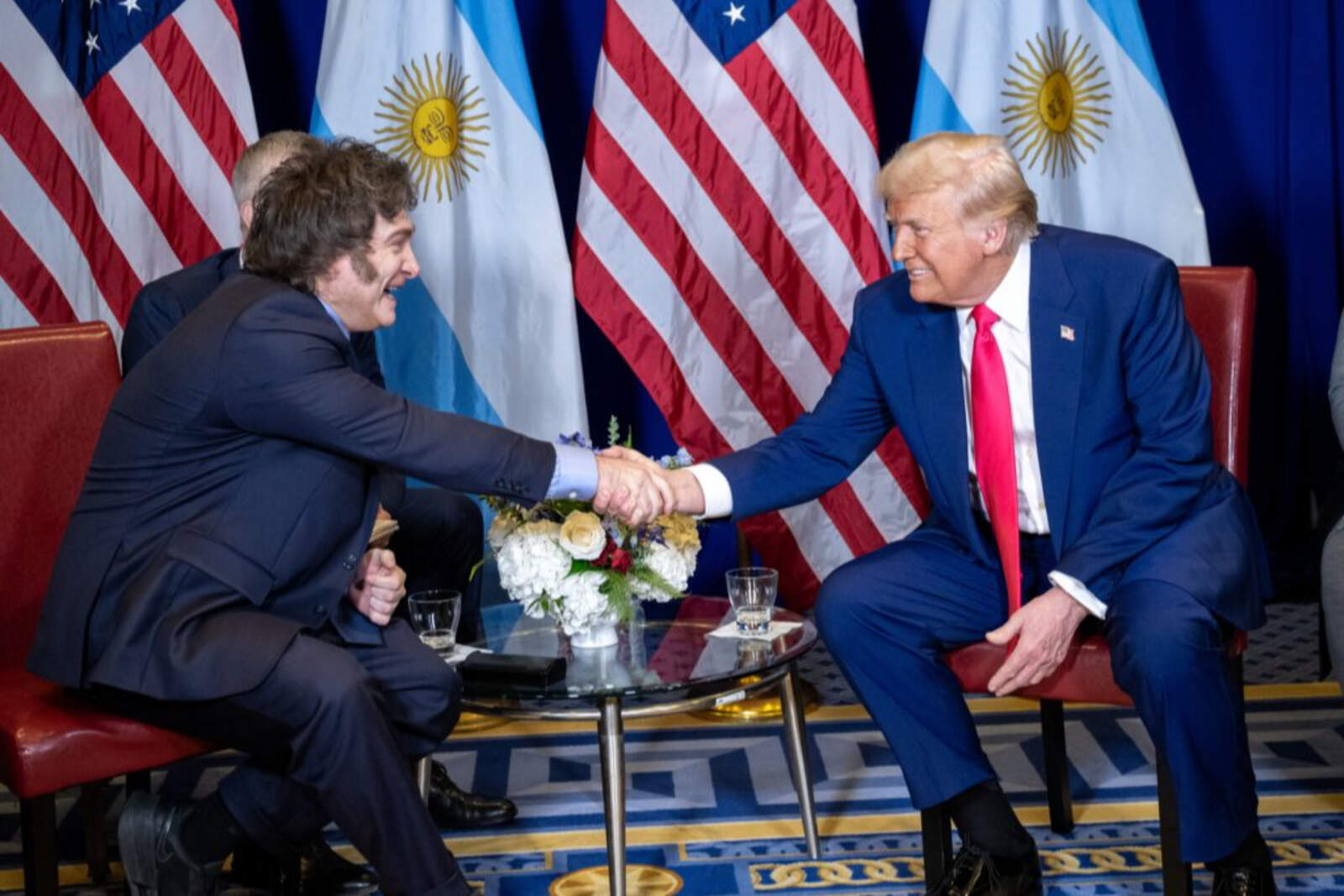
Since Milei's arrival at the Rivadavia seat, Casa Rosada has been watching with anticipation the recent electoral victories of leaders with similar ideological affinities. These results fuel the Government's intention to build a network of allies that will amplify the liberal discourse and make it possible to neutralize the influence of populism in the region, a current that has been harshly questioned by the President since the beginning of his term.
Although there is still no set date and the Executive expresses the desire for Argentina to serve as the venue for the meeting, the libertarian administration anticipates that diplomatic contacts will intensify in order to carry out the presidential will to bring together figures such as José Antonio Kast (Chile), Rodrigo Paz (Bolivia), Daniel Noboa (Ecuador), and Santiago Peña (Paraguay). President Nayib Bukele of El Salvador, with whom Milei keeps a close relationship, could also join, in addition to Peruvian leader José Jeri.
With several of these leaders, the President has already managed to seal bilateral meetings aimed at bringing positions closer and strengthening political cooperation. In recent months, he has also carried out strategic visits with the intention of consolidating himself as one of the main exponents of the regional conservative bloc.
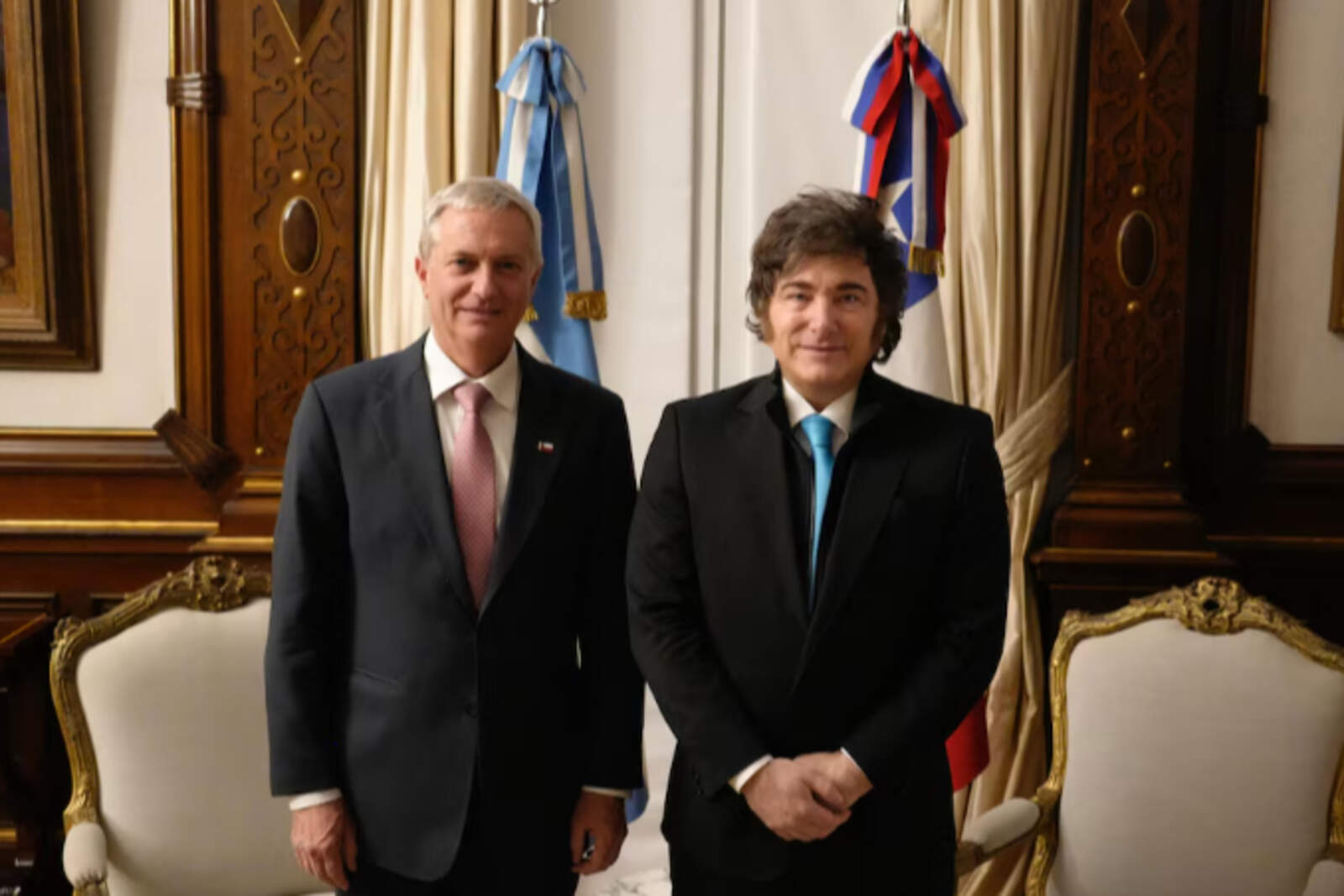
The political momentum gained greater strength after the victory of the recently elected president of Chile, who visited Casa Rosada the day after prevailing in the runoff against the ruling party candidate Jeannette Jara with almost 60% of the vote. The result was celebrated by the Argentine ruling party as an unequivocal sign of a change of course in South America, although it also caused criticism from officials in the government of Brazil.