Last week, a new session of the 'International Conference for Combating Antisemitism' was held in Israel
Nuevo
Agregar La Derecha Diario en
Compartir:
On January 27, 2026, the Second International Conference for Combating Antisemitism was held in Jerusalem, in a context marked by war, ideological radicalization, and moral erosion in the West. The conference started from a clear premise: current antisemitism is a political and civilizational test.
Within the framework of the conference, various voices emphasized that contemporary antisemitism no longer operates as a marginal prejudice, but rather as a widely normalized cultural and political phenomenon. Argentinian-Israeli activist Jonathan Majburd warned:
"Current antisemitism is no longer limited to the margins of society. It spreads through social networks, ideological activism, and selective moral outrage. What is dangerous today is not ignorance, but deliberate distortion. Conferences like this are important because they force us to confront that distortion with moral clarity and without relativism."
Under the motto "Generation of Truth," the event was organized by the Ministry of Diaspora Affairs and the Fight against Antisemitism of the State of Israel, headed by Minister Amichai Chikli, and took place at the Jerusalem International Convention Center, known as Binyanei HaUma.
The conference was deliberately scheduled around International Holocaust Remembrance Day, linking historical memory with the analysis of current threats against the Jewish people and against the West.
La conferencia se realizó en el marco del Día Internacional en Memoria de las Víctimas del Holocausto
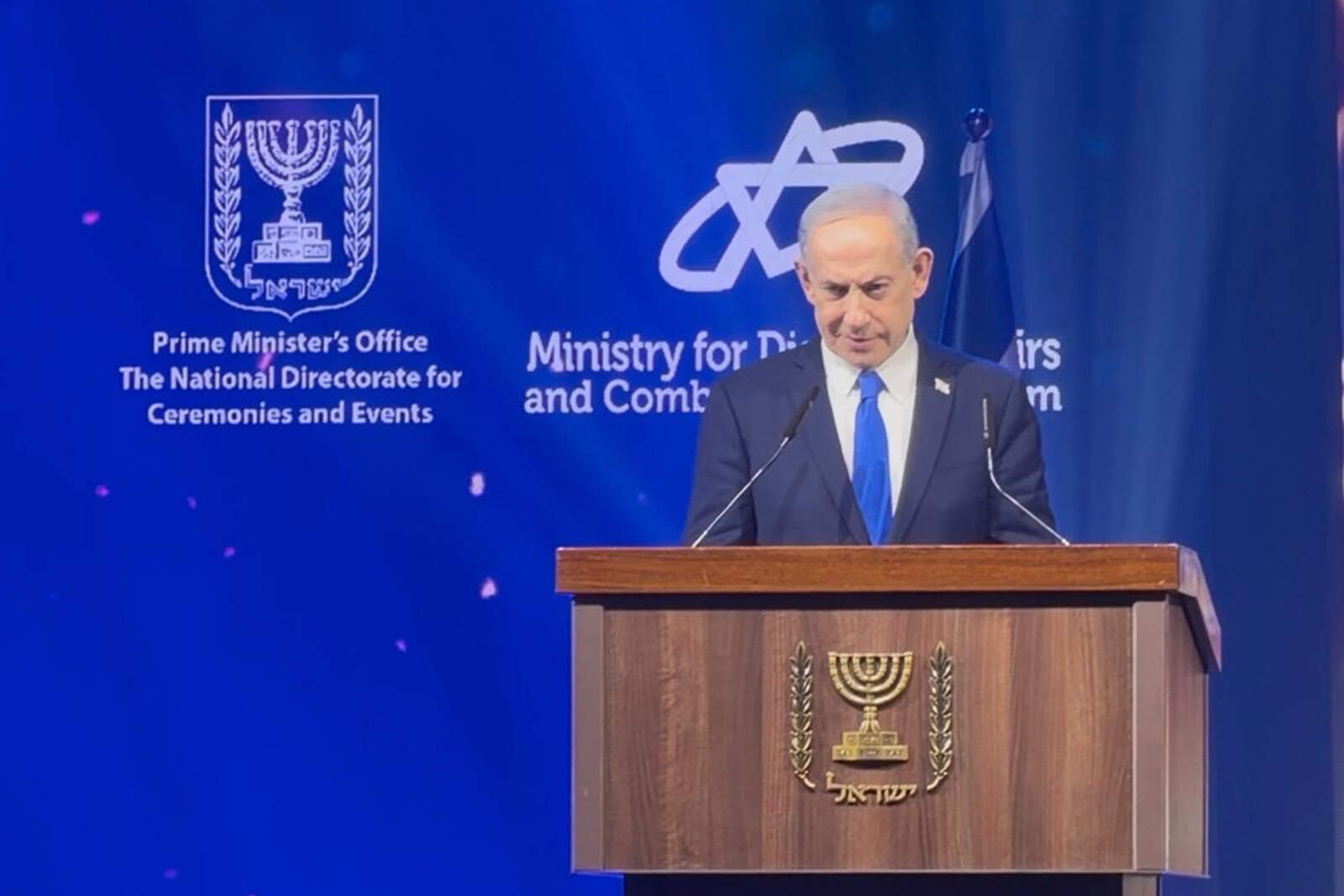
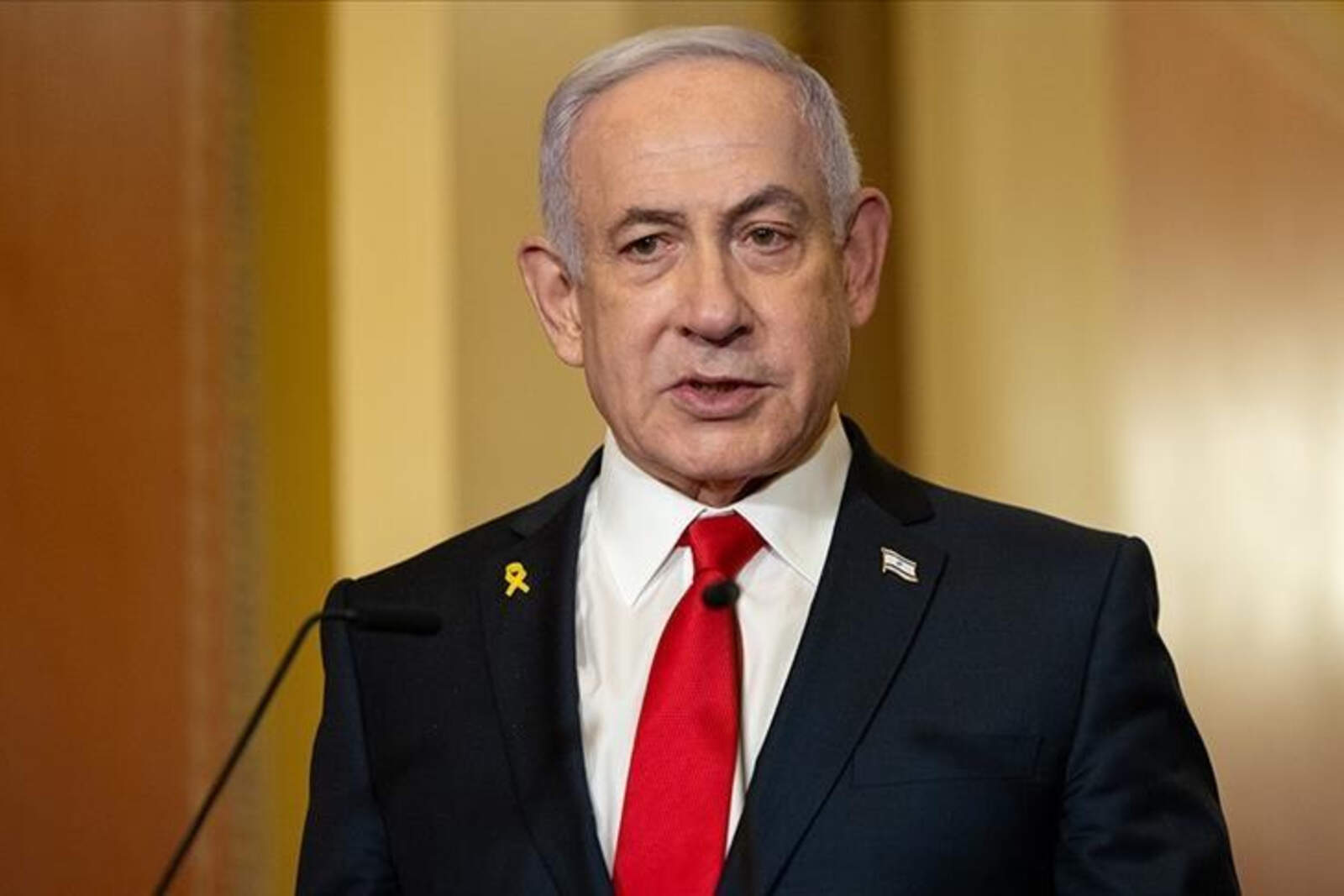
Special attention was given to the participation of Prime Minister Benjamin Netanyahu at the opening gala on the night of January 26, a few hours before the official day of remembrance of the Shoah. That same day, Israel received the mortal remains of the last Israeli hostage who had remained in Gaza: Staff Sergeant Major Ran Gvili, 24 years old, a member of the elite Yamam counterterrorism unit of the Israeli police.
Gvili had gone into combat on October 7, 2023 despite suffering a shoulder fracture and multiple gunshot wounds, with the aim of defending Kibbutz Alumim from the Hamas attack. According to Israeli security forces, he managed to eliminate fourteen terrorists before falling in battle. His body was held in Gaza for more than 840 days.
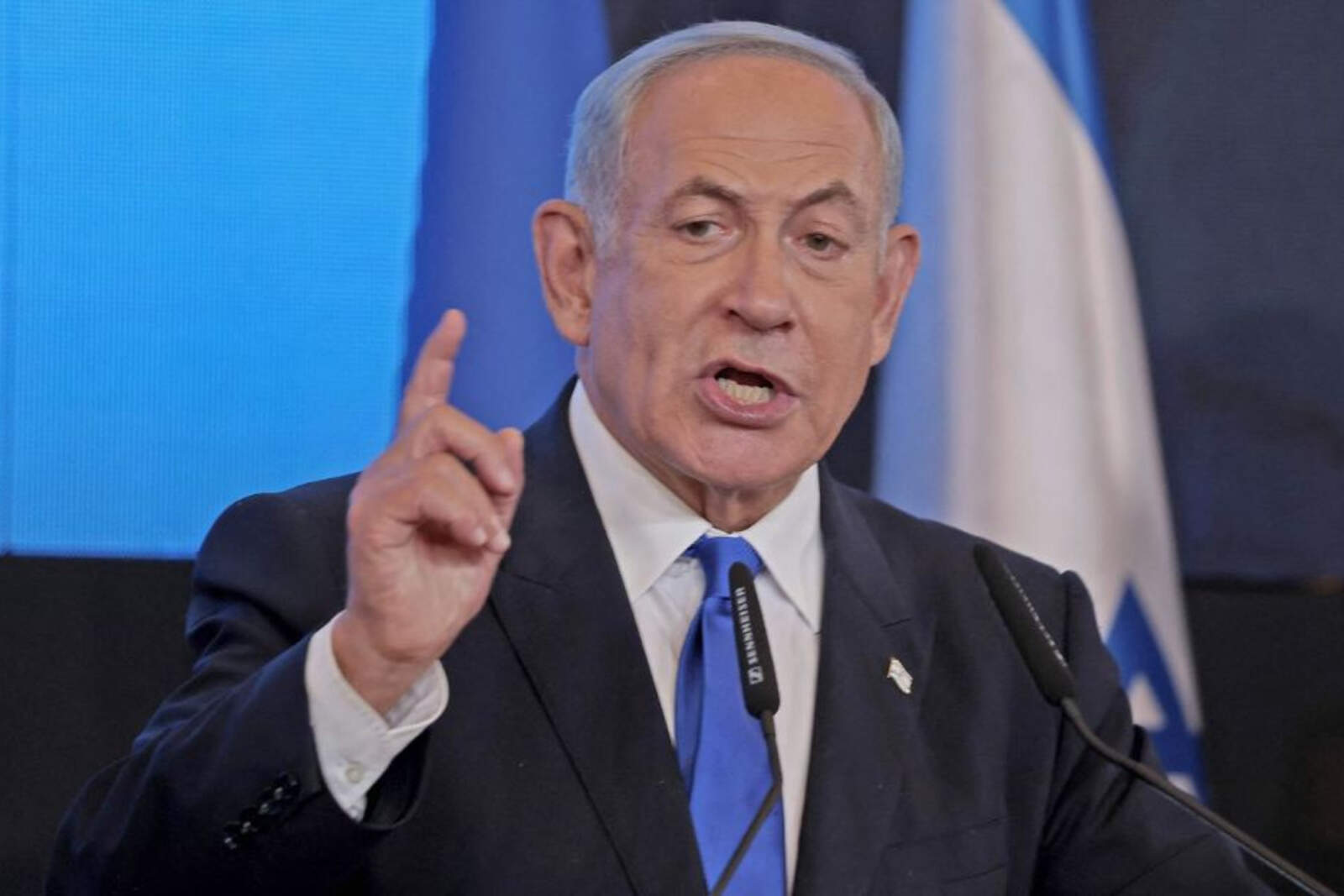
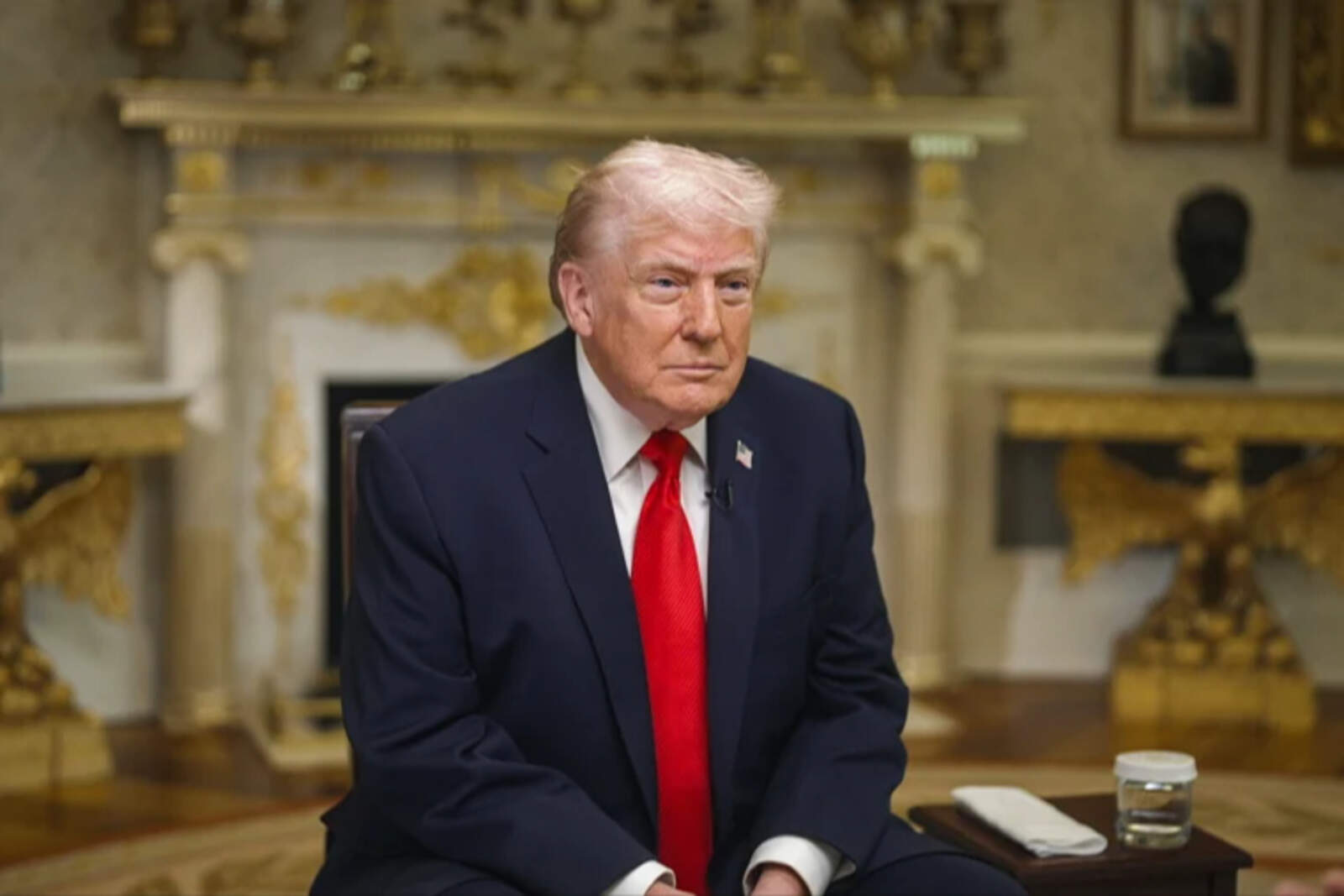
Netanyahu devoted a central part of his speech to honoring his memory, describing him as the first fighter to go into action and the last to return home. He defined him as a hero of Israel and thanked the Israel Defense Forces and the United States government, under the presidency of Donald Trump, for their support in the negotiations. With Gvili's repatriation, Netanyahu stated, there was no Israeli citizen left in Gaza, neither alive nor dead.
Beyond the tribute, the prime minister used the moment to broaden the focus toward contemporary antisemitism. He warned about an ideology that he called "World War Jew," an alliance between radical Islamism and openly anti-Western progressive sectors that share hostile narratives against Israel and the Jews.
Netanyahu anunció que ya no queda ningún ciudadano israelí como rehén de Hamás
Antisemitism, he argued, is not just another prejudice, but a struggle for the future of civilization, with roots that go back more than two thousand five hundred years. Netanyahu stressed that the new battlefield is the digital space.
Today antisemitism spreads mainly through social networks. There, he said, lies must be fought with truth. He acknowledged that Israel arrived late to that front, but he assured that it will win the battle. Truth is the antidote to antisemitic propaganda. He concluded his remarks with a symbolic call for light and truth to shine again from Jerusalem.
The temporal coincidence between the end of the hostage tragedy and the conference gave the meeting a unique political and emotional intensity. For many participants, the memory of the victims of October 7 ceased to be an abstract reference and became proof that antisemitism doesn't belong to the past, but rather manifests itself today in real violence.
The conference brought together representatives of Jewish organizations, political leaders from Israel and abroad, and international delegations from Europe, North America and South America, and Australia.
El primer ministro israelí agradeció al gobierno de Trump por su apoyo
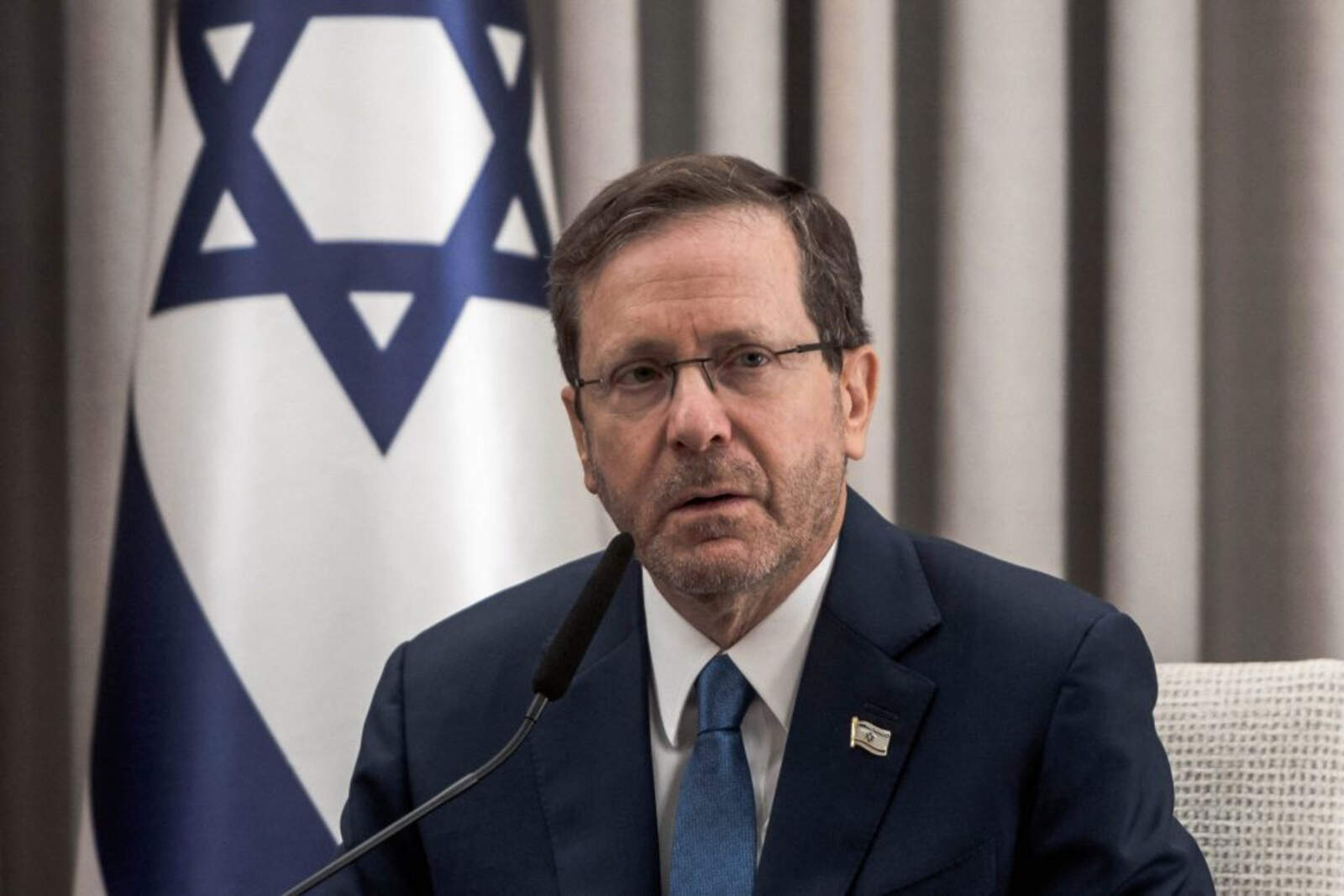
The list of speakers included sitting heads of state and government, former leaders, intellectuals, and political figures known for confronting in their countries the debates on migration, Islamism, and social fragmentation. Among them were the president of Israel, Isaac Herzog, the prime minister of Albania, Edi Rama, and former Australian prime minister Scott Morrison.
Among the international guests were also former Austrian chancellor Sebastian Kurz and Milorad Dodik, former president of Republika Srpska. Dodik received special political attention when, two days after the conference, he was honored by the speaker of the Israeli parliament with the Jabotinsky Freedom Award, one of the highest decorations of the State of Israel, in recognition of his contribution to strengthening bilateral relations between Israel and Republika Srpska. The temporal proximity between the conference and the award highlighted the geopolitical dimension of the event.
The composition of the participants reflected the focus of the conference. Alongside Israeli authorities and Jewish community representatives, there was a strong presence of international leaders, both incumbent and retired.
The organizers interpreted this participation as a clear sign of international support. At the same time, they sought to avoid the accusation of partisan alignment by incorporating major Jewish organizations from North America and Europe, with the aim of consolidating the conference as a working space and not as a symbolic act.
El presidente de Israel fue uno de los oradores del evento
The central objective was to analyze the current forms of antisemitism, to debate international strategies to combat it, and to strengthen cooperation between states and civil society actors.
On the sidelines of the event, Netanyahu received a delegation of Members of the European Parliament, including the head of the FPÖ delegation in the European Parliament. According to participants, the meeting addressed radical Islamism, Iran's role, and the rise of antisemitism in Europe.
Subsequently, explicit political positions were formulated by the European delegation. Austrian MEP Harald Vilimsky, head of the FPÖ delegation in the European Parliament, stressed that the fight against antisemitism can't be separated from the defense of national sovereignty or from direct confrontation with political Islam. In exclusive statements, he said:
"FPÖ is on the side of those states and political forces that defend freedom, security, national sovereignty, and Western values, and not on the side of those who yield to political Islam or import it into Europe through uncontrolled migration. By supporting Israel, we want to make it clear that it is not enough to firmly oppose antisemitism. It is also necessary to actively confront left-wing political forces throughout Europe that favor radical Islamization."
Netanyahu recibió a una comitiva de eurodiputados durante la conferencia
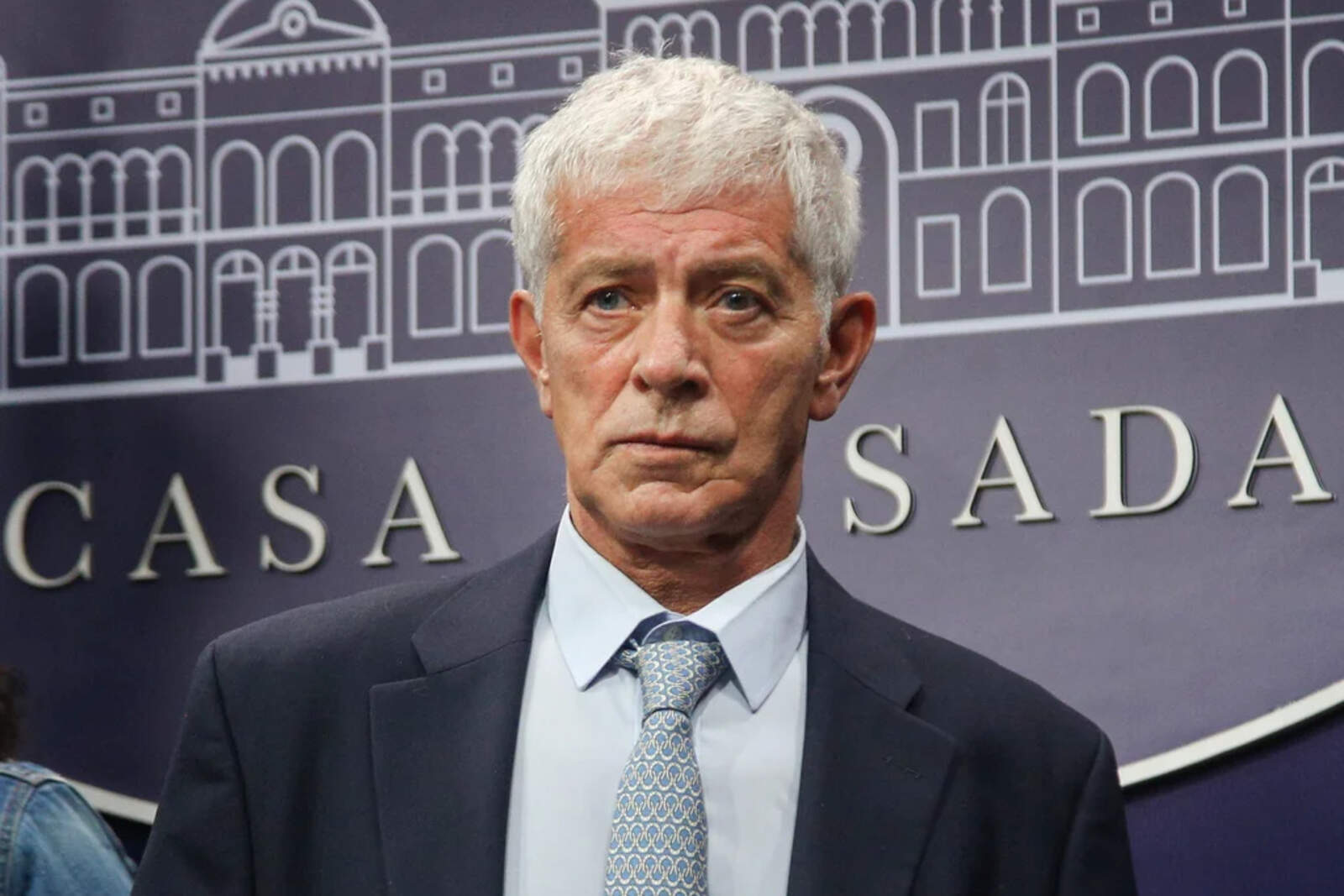
January 27 concentrated the thematic core of the conference. Among the central speeches on January 27, the address by the minister of Justice and Human Rights of the Argentine Republic, Mariano Cúneo Libarona, also stood out, who spoke on behalf of the government of President Javier Milei.
His participation underscored Argentina's political shift in the fight against antisemitism and marked an explicit break with the ideological ambiguities that for years characterized broad sectors of Latin American politics.
Cúneo Libarona linked the fight against antisemitism with the defense of the rule of law, individual freedom, and institutional order, and argued that moral relativism and tolerance toward violent ideologies ultimately erode the very foundations of democracies.
The presence of the Argentine minister was interpreted by numerous participants as a sign of Buenos Aires's strategic alignment with Israel and with those countries that conceive of antisemitism not as an abstract cultural problem, but as a concrete threat to the security, sovereignty, and social cohesion of free nations.
El ministro de Justicia argentino, Mariano Cúneo Libarona
The speeches were consistently oriented toward practical consequences and concrete political tools. They debated digital radicalization, the role of algorithms in amplifying antisemitic content among young people, disinformation and historical manipulation, as well as possible legal responses by states.
Unlike the 2025 edition, the 2026 conference took place with less public controversy. After the tensions of the previous year, the organizers intensified prior dialogue with Jewish organizations and international partners, integrating the event in a more institutional way. However, the underlying message remained firm and uncompromising.
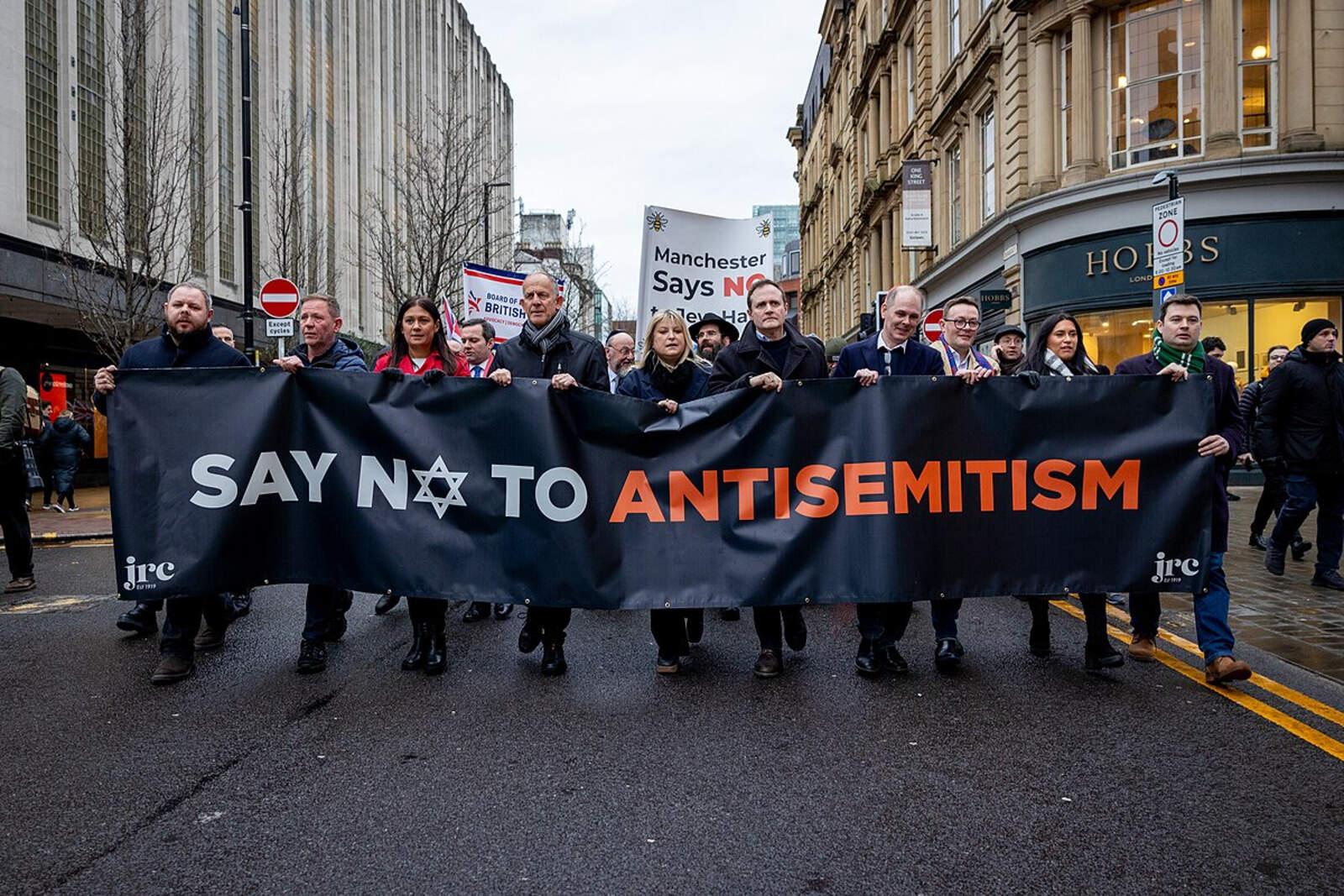
Antisemitism was presented not as an isolated prejudice, but as a political phenomenon that feeds on multiple ideological currents. These currents, it was warned, tend to converge and normalize anti-Jewish hatred in the public sphere, from the streets and universities to digital platforms.
The conference was structured around three main axes: the political dimension of antisemitism in Western societies, its digital spread, and state and societal strategies to confront it. It became clear that hatred of Jews can no longer be understood as a marginal phenomenon, but as part of broader dynamics that cut across educational institutions and online environments.
El eje principal de la conferencia fue la nueva modalidad de antisemitismo a través de redes sociales
In his opening speech, President Herzog warned of a progressive erosion of moral standards. Antisemitism, he stated, remains a deadly reality more than eighty years after the Shoah.
Today it is expressed less in explicit speeches and more in the language of political activism, ideological moralization, and a distorted human rights rhetoric. Denying the Jewish people's right to self-determination in its national home, he emphasized, constitutes antisemitism, even when it is presented as a legitimate political stance.
Minister Chikli pointed out that the aim of the conference was to name the problem without circumlocutions and to avoid political evasions. Combating antisemitism is not a sectoral cause, but rather a defense of free societies. It is a current threat with implications for security and social cohesion, driven especially by authoritarian and Islamist ideologies.
One of the most impactful moments was the address by Australian rabbi Yehoram Ulman, whose family was the victim of an antisemitic attack in Sydney. Antisemitism, he said, is not an abstract theory, but a reality that leaves empty seats at family tables. The response, he argued, must not be withdrawal, but a visible and firm Jewish presence in public life.
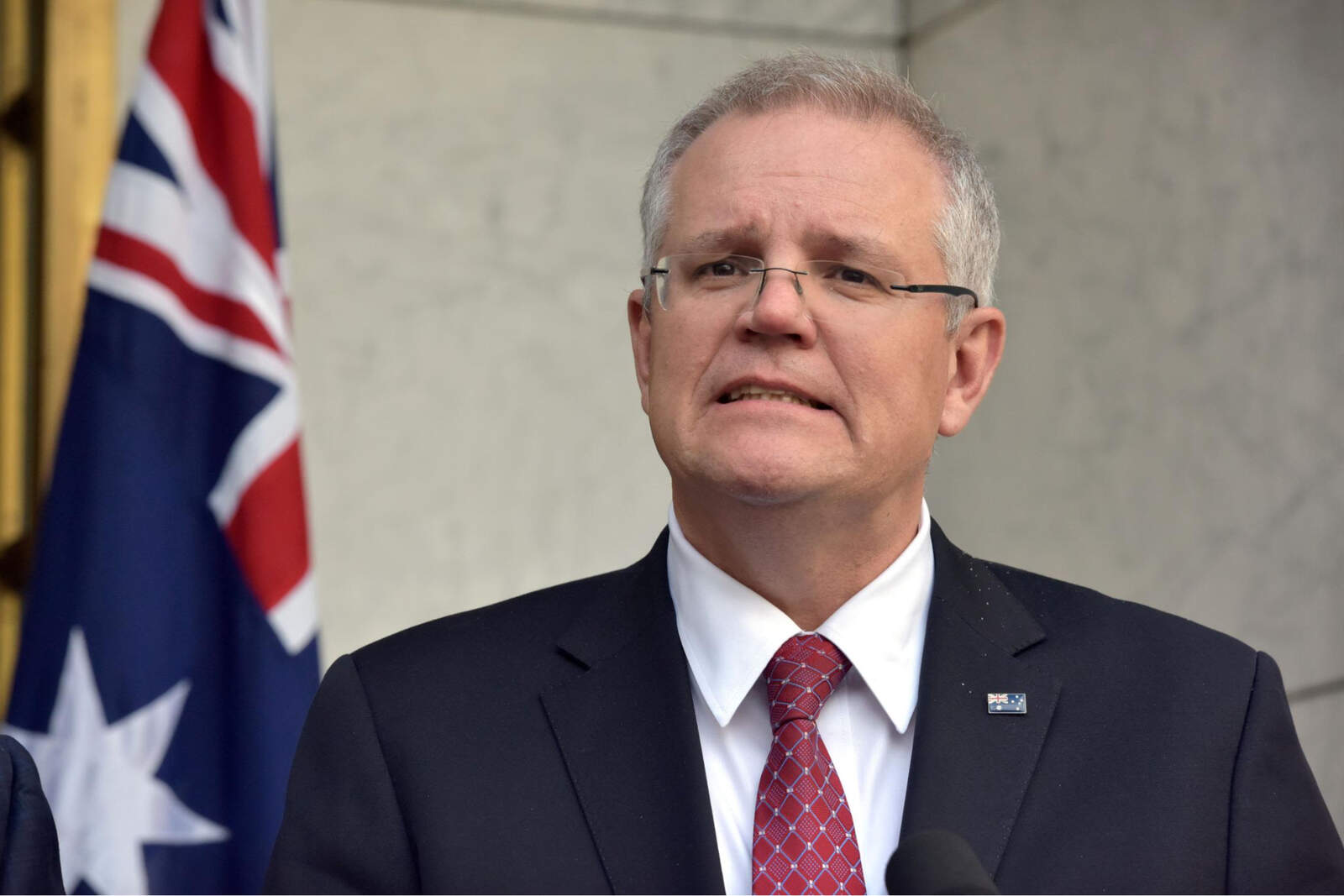
El ex primer ministro de Australia alertó por un aumento de la violencia antisemita en su país
Former prime minister Scott Morrison took up that point, warning about the growing insecurity of the Jewish community in Australia and criticizing the tendency to dilute individual responsibility in structural explanations. Societies that lose that moral sense, he stated, become incapable of confronting extremism.
Throughout the panels it became evident that current antisemitism operates less through classic organizations and more through digital dynamics. On social networks, antisemitic discourse appears fragmented, ironized, or disguised as moral criticism, which makes it more acceptable to different audiences.