The current Kirchnerist candidate was a key figure in the rejection of the Free Trade Area of the Americas
Compartir:
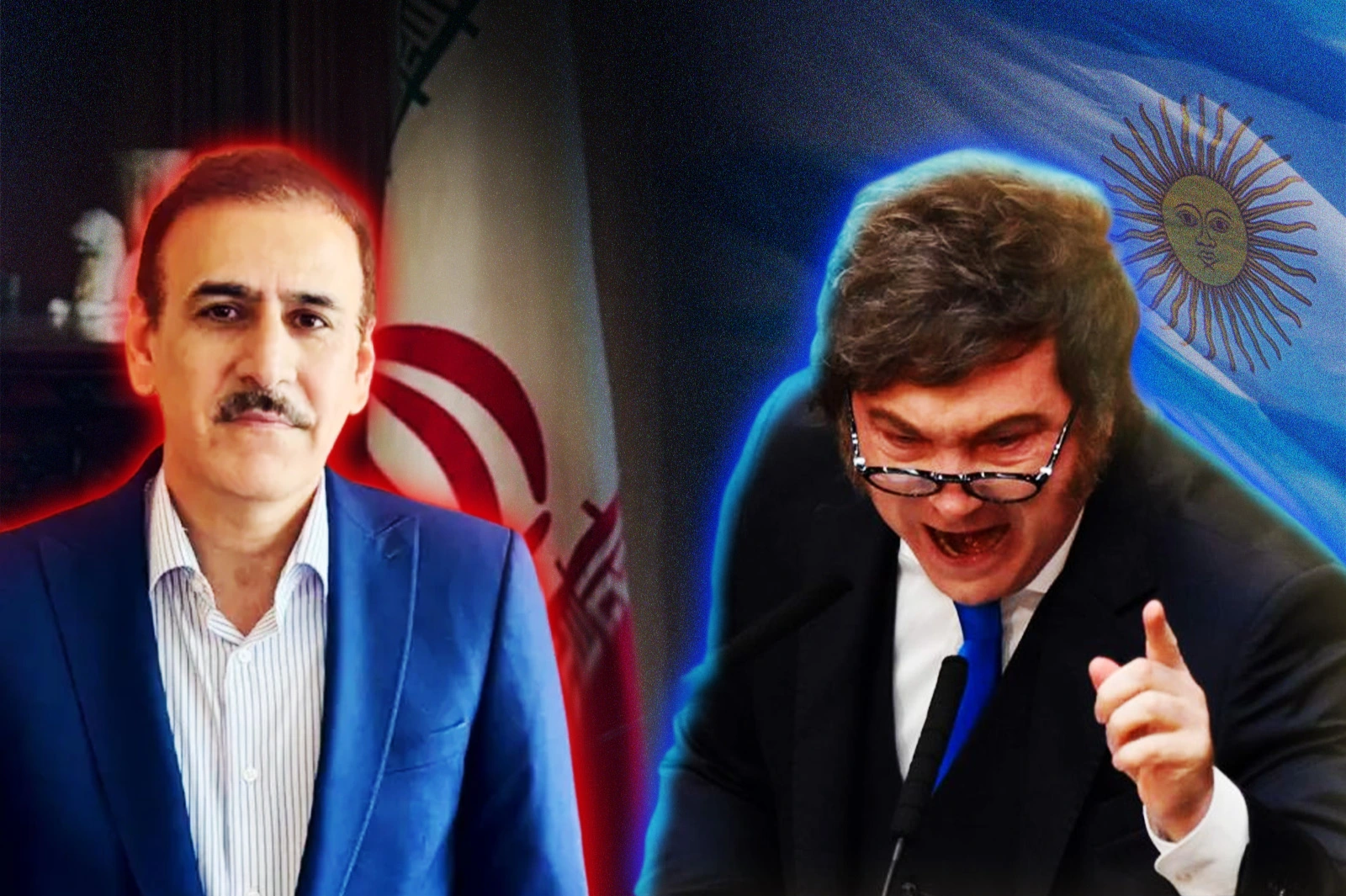
Jorge Taiana, former left-wing terrorist and currently Fuerza Patria's candidate for the October 26 elections, was once one of the most influential figures in the foreign policy of Kirchnerism, being a protagonist in one of the most damaging decisions in recent Argentine history: the rejection of the Free Trade Area of the Americas (FTAA).
From his role as deputy minister and later foreign minister under Néstor Kirchner, Taiana promoted a firmly opposing stance to the continental integration project promoted by the United States.
What was then presented as an act of sovereignty and resistance to "imperialism" was, in reality, a missed opportunity that isolated Argentina from the main commercial flows of the continent and strongly harmed its economic development over the following decades.
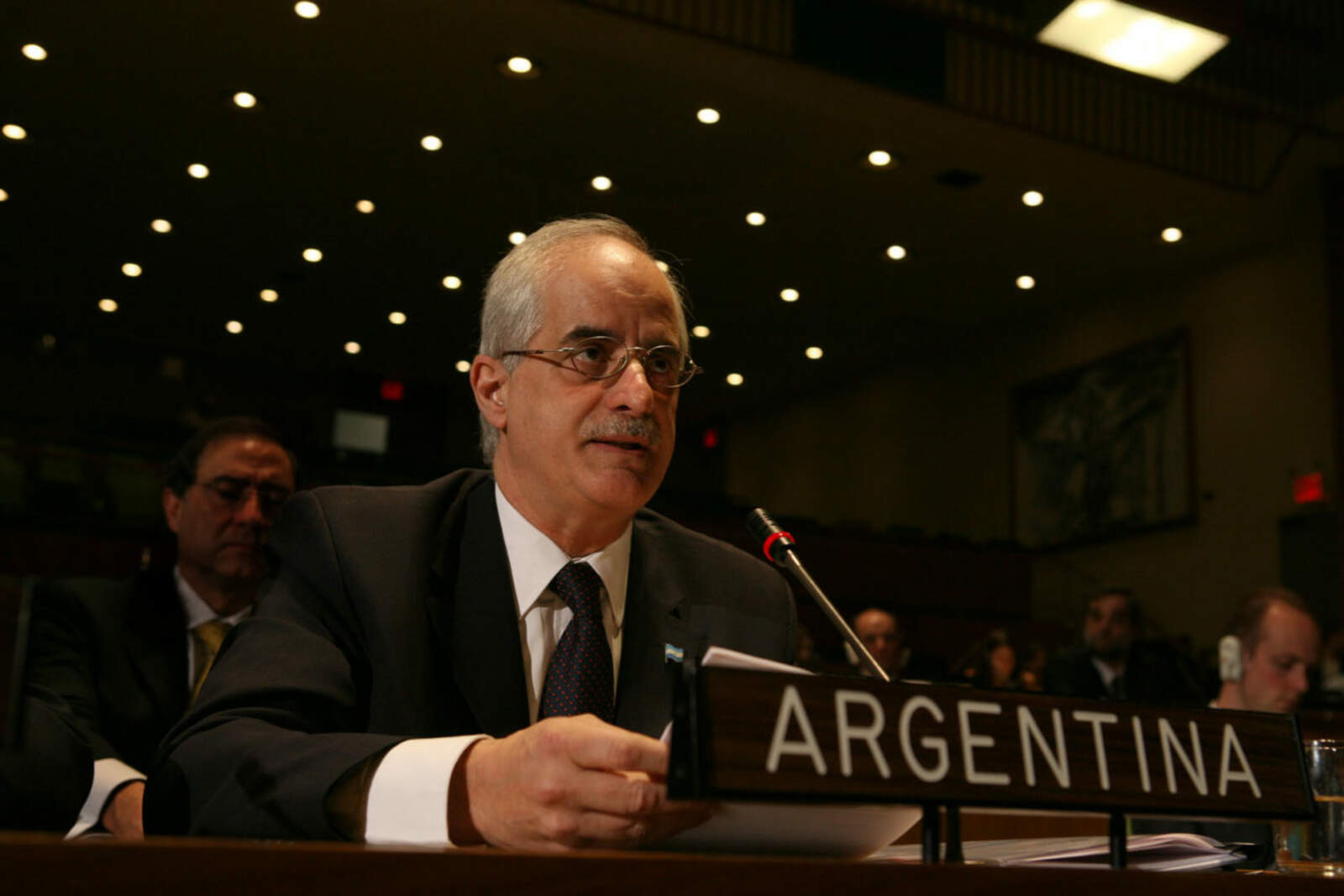
Jorge Taiana, candidato del kirchnerismo.
Jorge Taiana and the rejection of the FTAA
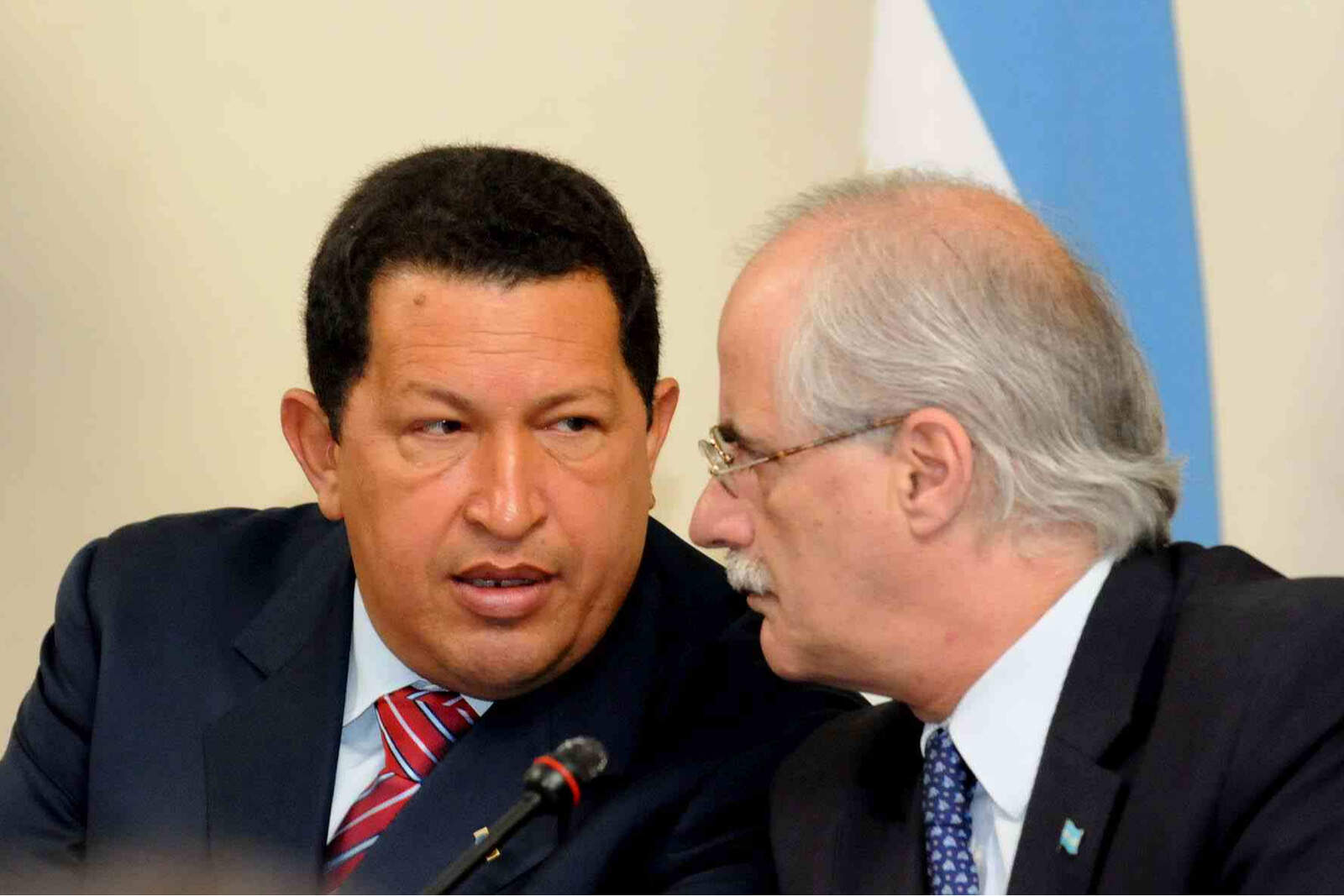
At that time, Taiana was serving as deputy foreign minister and was one of the main architects of the strategy that led Kirchner to align with the bloc led by Brazil and Chavismo in Venezuela, in opposition to the proposal of U.S. President George W. Bush.
His role was significant, as he coordinated meetings, drafted documents, and consolidated a common Mercosur position that ultimately blocked any progress of the continental agreement.
Taiana, Kirchner's trusted man, wrongly claimed, as all leftists do, that the FTAA represented a supposed "threat to the country's economic sovereignty" and a risk of dependence on Washington.
However, the results of that rejection are increasingly subject to widespread criticism. The decision by Kirchner and Taiana closed a historic opportunity for Argentina to access a market of more than 800 million consumers with reduced tariffs.
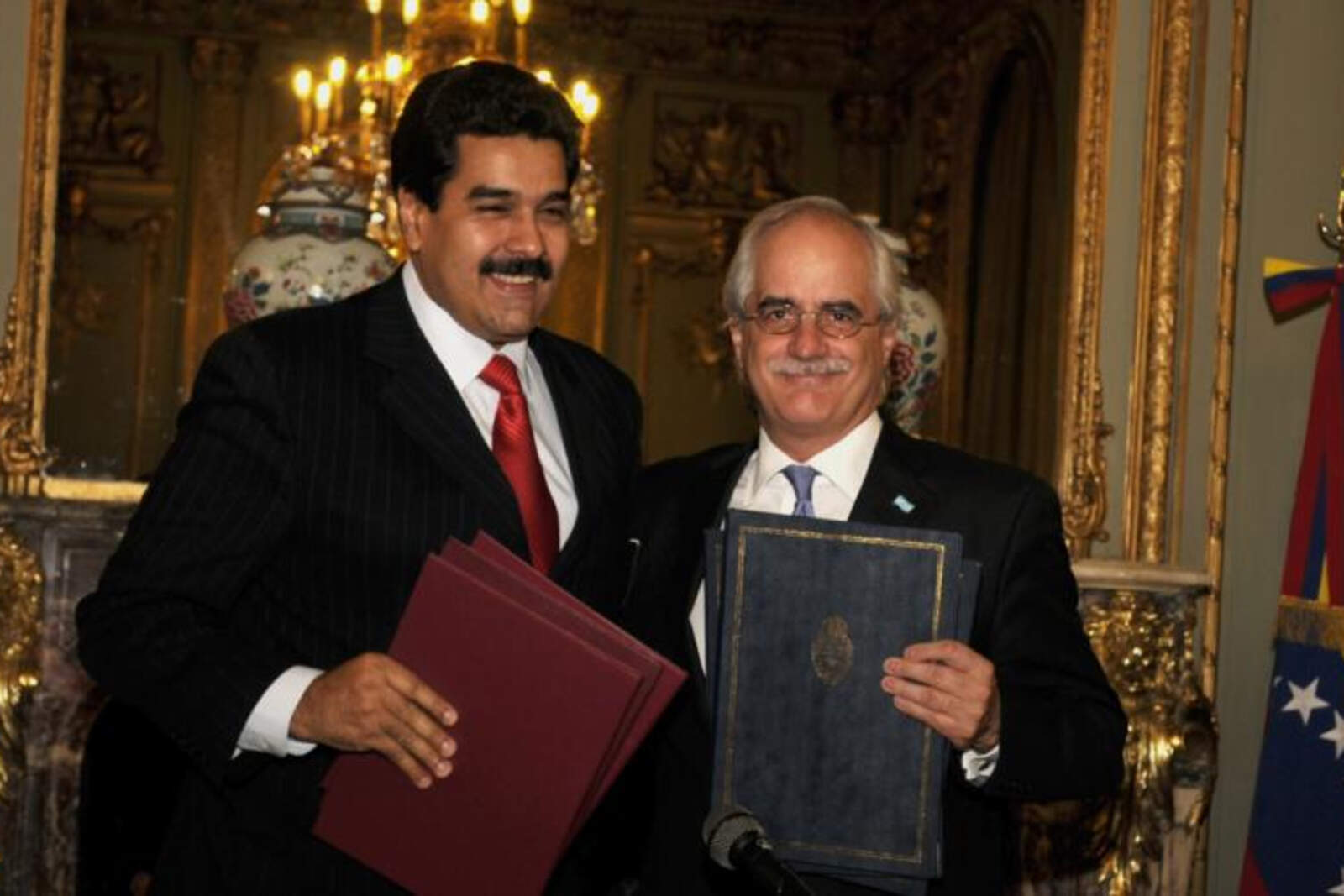
Jorge Taiana y Nicolás Maduro.
Meanwhile, other countries in the region, such as Chile and Mexico, signed bilateral agreements with the United States and exponentially increased their exports. Kirchnerism's Argentina chose a path of isolation that, as eventually became evident, destroyed competitiveness and the ability to attract investment.
If it had been signed, the continental agreement would have promoted technology transfer, the creation of skilled jobs, and the reduction of commercial bureaucracy, and, with greater access to the U.S. market, the real Argentine industry could have modernized and expanded into sectors with higher added value.
Instead, the rejection of the FTAA consolidated a more ideological than pragmatic diplomacy, oriented toward political alliances with left-wing governments and dictatorships, allies of Kirchnerist governments.
In the following years, Taiana formally assumed the position of foreign minister under Néstor Kirchner and deepened that line of foreign policy. Today, with the passage of time, it has been demonstrated that the "no to the FTAA," a supposed symbol of "sovereignty" at the time, was in reality the deepening of Argentina's isolation from international trade.