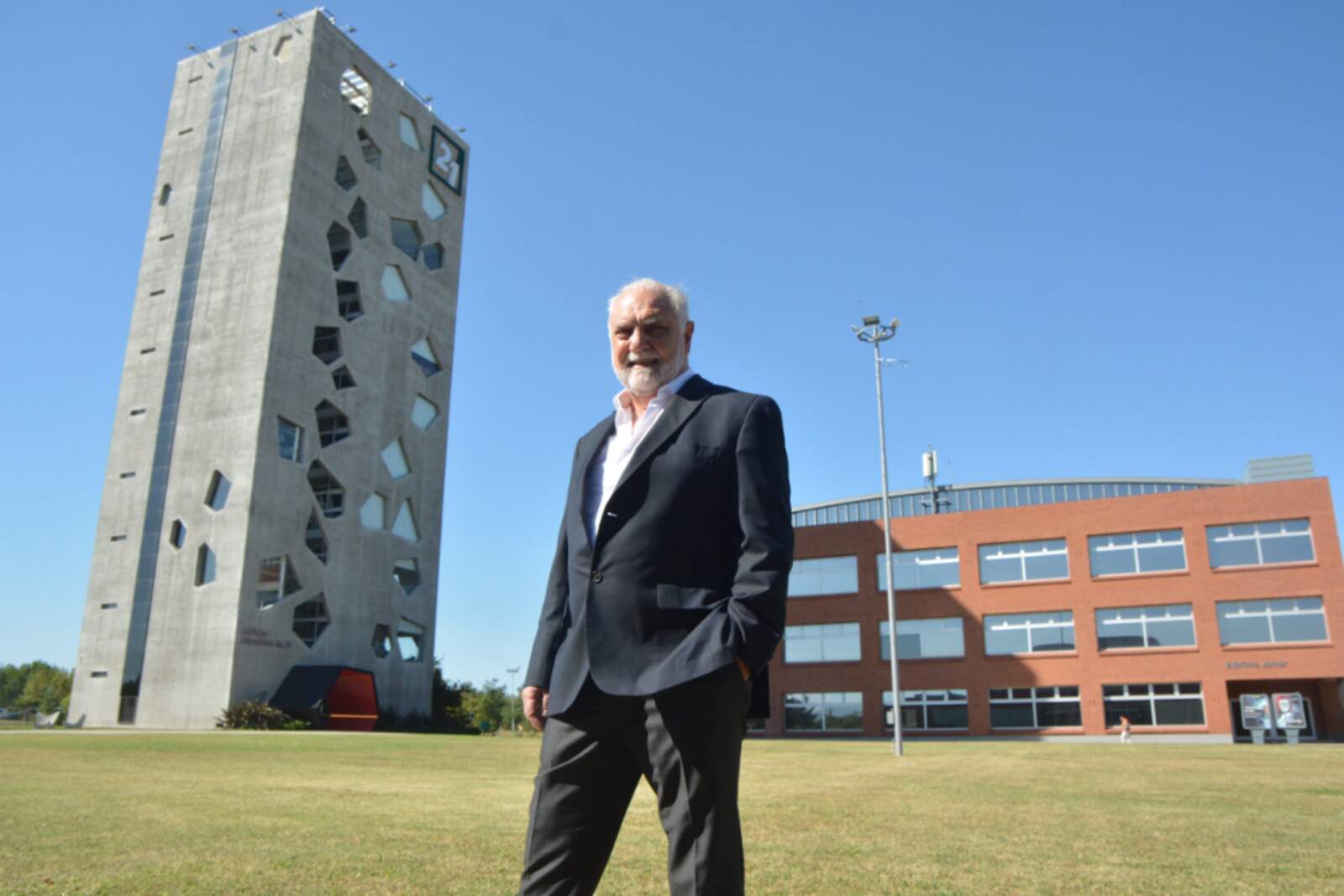
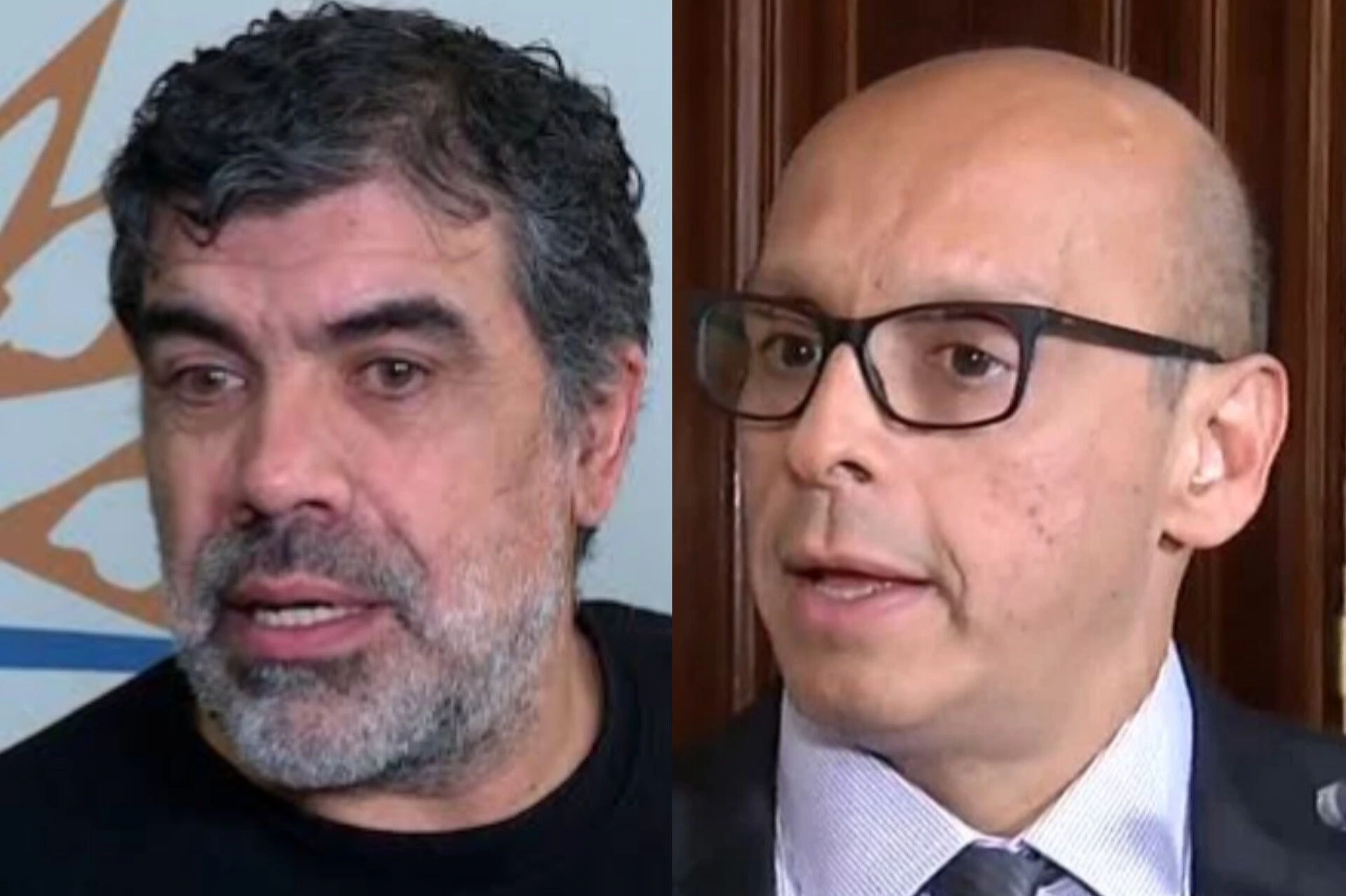
Juan Carlos Rabbat, founder of Universidad Siglo 21, emphasized the importance of transforming and stimulating teaching to motivate those who face obstacles in their university careers. His teaching experience allowed him to observe how the traditional model often frustrates young people who seek to improve themselves through daily effort. The educational leader keeps that it is vital to provide real tools that allow each person to reach his or her maximum professional potential.
Rabbat keeps that, for years, the system was responsible for marginalizing students who did not adapt to extremely rigid and exclusionary learning paces. Many students arrived in the classroom feeling incapable of progressing due to a structure that prioritized discarding over solid training. "It hurt me deeply to see an educational system destroy people's self-esteem," Rabbat stated, with a critical view of the educational past.
This renewed vision seeks to put an end to the idea that higher education is a benefit reserved only for a small group. Merit and individual perseverance must be the driving forces that propel citizens toward obtaining their corresponding undergraduate degrees. It is essential that institutions lead this cultural change to ensure that education is accessible to everyone who decides to improve professionally and academically.
The student as the center of learning
Rabbat proposes a U-turn so that universities become true centers of personal development and constant intellectual growth. "The educational system has to empower the student; it must not diminish him or her," the entrepreneur stated emphatically as he analyzed the shortcomings of the previous framework. To empower means to grant the necessary confidence so that the student takes control of his or her economic and social future with absolute responsibility.
Rabbat recalls that in the past slow students were discriminated against with comments such as: "Kid, you are not cut out for university, go wash the dishes." The previous system conceived higher education as an exclusive privilege and discarded those who had difficulties adapting. That structure dispensed with those who did not manage to grasp concepts immediately, limiting their professional future.
Rabbat's reflection comes from his experience as a professor and from how the practice of this activity proved inspiring for everything he had to do afterward. Based on this, the head of Siglo 21 maintained that it hurt him deeply to witness how the educational system of that time destroyed people's self-esteem. With a focus on efficiency and self-improvement, Rabbat consolidated a model in which individual success translates into a direct benefit for society as a whole.