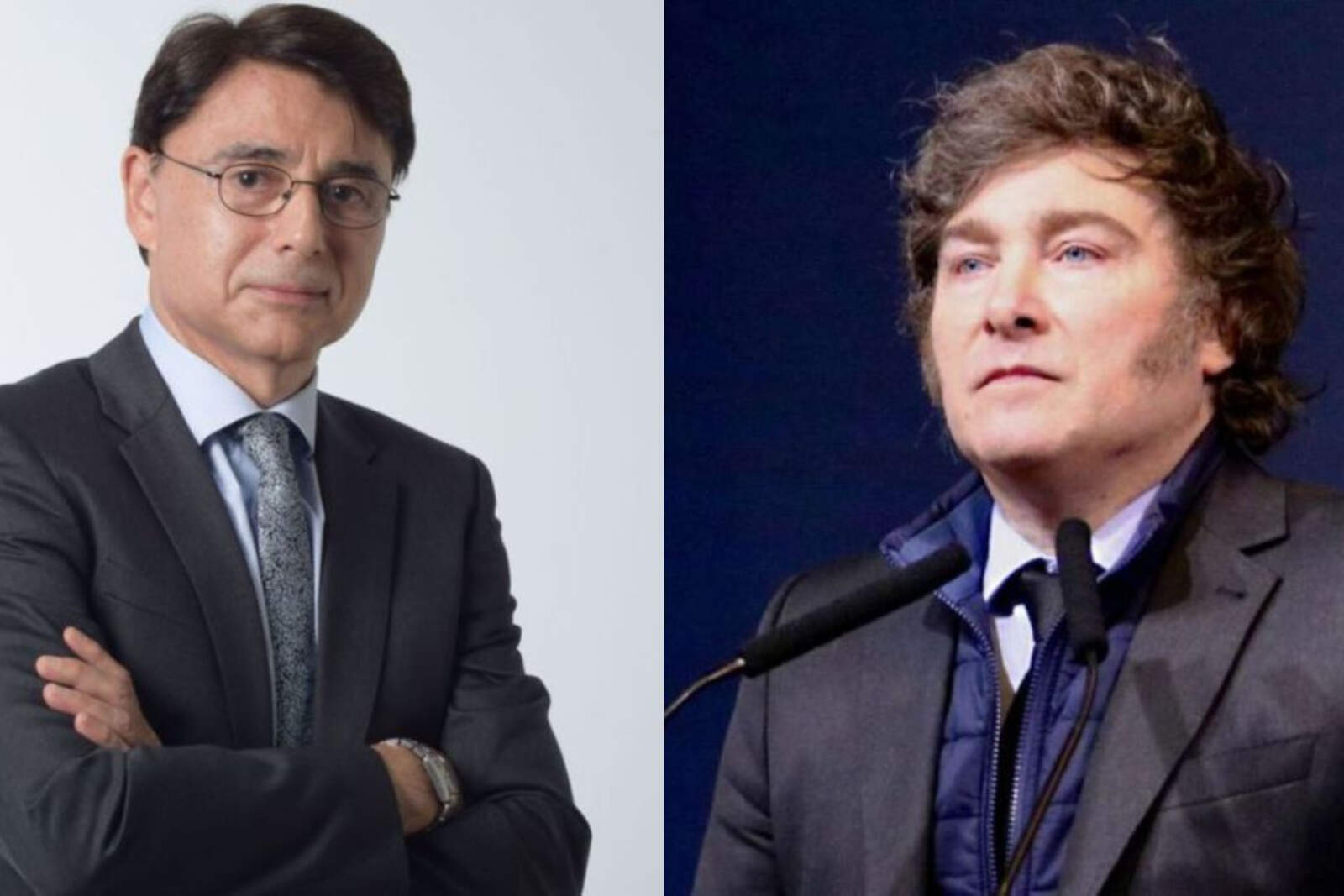
The case was initiated by 'Tinturelli' after allegedly 'offensive' statements against him
Compartir:
The Federal Criminal Cassation Court confirmed the dismissal of the case against President Javier Milei in the lawsuit for alleged slander filed by Jorge Fontevecchia, better known as "Tinturelli", director of Grupo Perfil.
The decision, adopted unanimously, represents strong judicial support for the head of state and reaffirms the constitutional principle of freedom of expression in public debate.
The ruling was signed by judges Carlos Mahiques, Mariano Borinsky, and Juan Carlos Gemignani, who rejected the appeal filed by the plaintiff and confirmed the previous decision that had ordered the President's dismissal. The case investigated three episodes in which Fontevecchia considered various public statements made by Milei to be "offensive," both before and after he took office as President.
Javier Milei y Jorge Fontevecchia.
One of the incidents analyzed dates back to February 2023, when Milei, during a television interview on the channel La Nación+, harshly questioned the businessman in the context of his criticism of the traditional political and media system.
Subsequently, in April 2024, the head of state reiterated his criticism during the program "Multiverso Fantino", broadcast on the streaming channel Neura, where he again referred to Perfil's business model and its relationship with state advertising.
The third episode took place in September 2024, during a speech at the Chamber of Commerce, where Milei once again criticized media coverage that sought to damage his image through alarmist economic forecasts, which always turned out to be false, disseminated by economists invited to opposition media outlets.
The Federal Court's ruling
In the first instance, Judge Sebastián Casanello had ordered the President's dismissal after considering that his statements did not constitute a crime, given the context in which they were made and the public nature of the individuals involved. That decision has now been confirmed by the Court of Cassation, which rejected the appeal filed by the plaintiff.
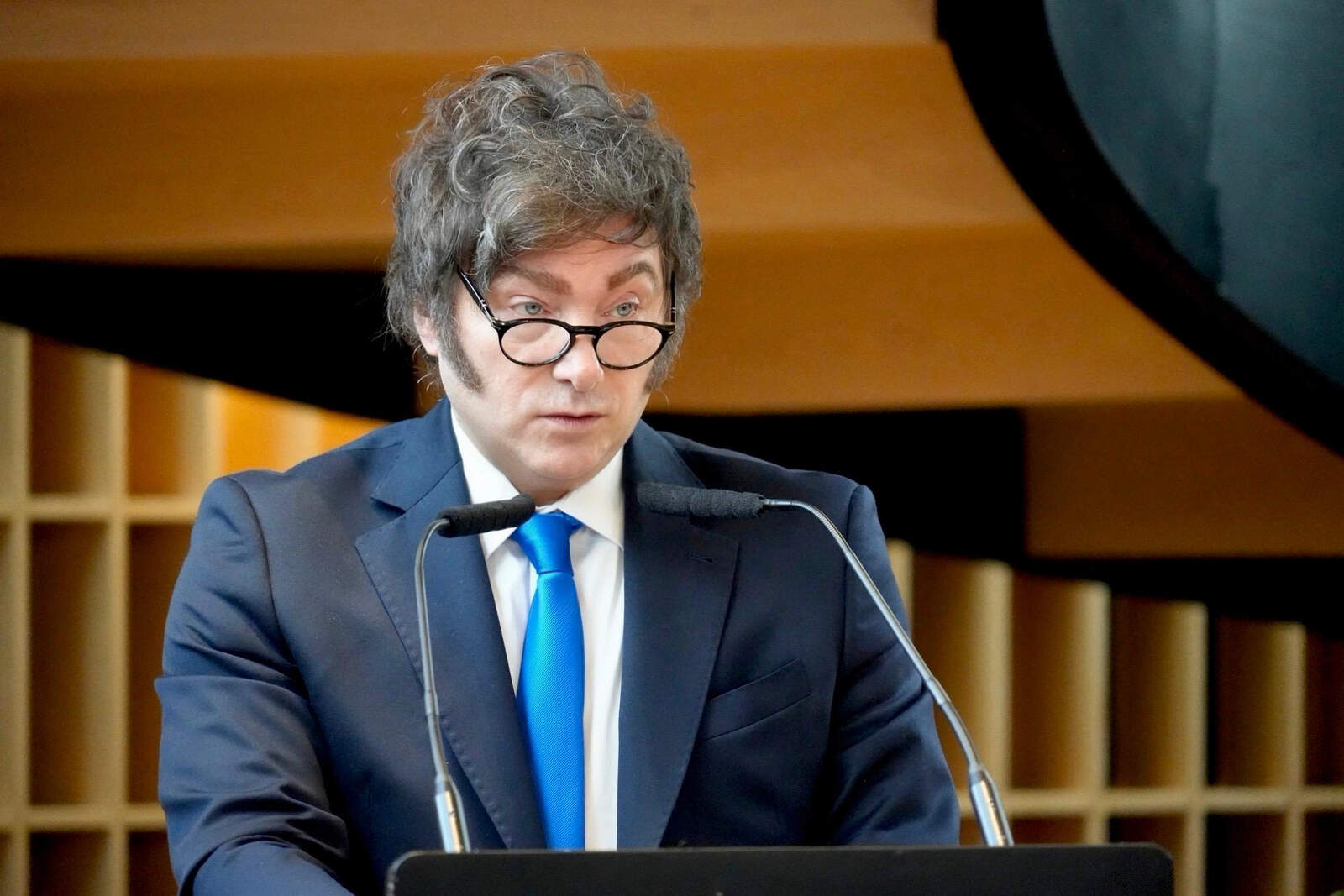
Javier Milei en Corporación América.
In his vote, Mahiques maintained that the challenged statements are directly linked to matters of public interest and are part of the democratic debate, which excludes their classification as a criminal offense. According to his explanation, even when adjectives considered "offensive" are used, if they fall within discussions on issues of public relevance, the conduct is legally atypical.
Meanwhile, Borinsky emphasized that freedom of expression constitutes a cornerstone of the democratic system, and he stressed that Milei's statements were made in a context of political analysis and discussion about the role of the media, official advertising, and the economic model. In that regard, he pointed out that, beyond the critical or satirical tone used, these were opinions protected by the Constitution.
Finally, Gemignani endorsed his colleagues' arguments and voted in the same direction, consolidating the court's unanimous decision.