
Juvenile delinquency: Cornejo supported lowering the age of criminal responsibility

Juvenile delinquency: Cornejo supported lowering the age of criminal responsibility
porEditorial Team
Argentina

The governor of Mendoza supported the debate on lowering the age of criminal responsibility but warned that the reform will not solve juvenile delinquency by itself

Compartir:

The governor of Mendoza, Alfredo Cornejo, expressed this Wednesday his support for the national debate on lowering the age of criminal responsibility and for the possible passage of a new law, although he emphasized the concrete consequences that it will have for the provinces, both in terms of security and budgetary resources.

"I don't want expectations to be created that by the mere change of the law we're going to solve problems that are endemic," the governor warned while speaking with the press. In that regard, he maintained that juvenile delinquency responds to complex dynamics that are not corrected solely with a regulatory modification.

Juvenile delinquency and use of non-imputability

Cornejo pointed out that there is a small but persistent group of minors who enter criminal circuits at a very early age and who currently can't be held criminally responsible. As he explained, criminal organizations take advantage of that situation.

"It's a certain group of people who fall into juvenile delinquency at a very young age and who really are not imputable. Criminal organizations even take advantage of that non-imputability to assign crimes to them", the governor stated.

From the Mendoza Executive Branch, officials clarified that the province supports the initiative, a position that had already been expressed by the Minister of Security, Mercedes Rus, although without a definitive decision on the exact age from which criminal responsibility should apply.

No definition on the age and with a technical perspective

When asked whether the age should be set at 13 or 14 years, Cornejo avoided taking a definitive position. "We don't have a very well-formed opinion. Those who are specifically dedicated to that know it better," he pointed out, leaving the technical and legislative discussion open.

The governor's position is aligned with a pragmatic view: to move forward with the debate, but without oversimplifying a problem that involves social, judicial, and public security aspects.

Impact on the penitentiary and childhood systems

One of the central points of Cornejo's warning was the structural impact that the reform would have on the provinces, especially on childhood, security, and penitentiary systems.

"Any lowering of the age of criminal responsibility will incorporate many more people who are currently under the guardianship of the State", he stated. In that context, he specified that in Mendoza there are around 80 young people with convictions, but more than 300 minors under state guardianship who committed serious crimes without being deprived of their freedom.

As he explained, a legal modification would imply the incorporation of that group into the juvenile criminal system, which would require more infrastructure, more personnel, and a larger budget.

Security: results and limits of the law

To conclude, the governor again lowered expectations about an immediate solution. "I want to lower the expectation that a mere change of law could be the solution," he reiterated.

He also recalled that Mendoza has been implementing a security plan with positive results in violent crimes, although he acknowledged that other indicators remain stable, which reinforces the idea that juvenile criminal reform must be part of a broader strategy.


Noticias relacionadas

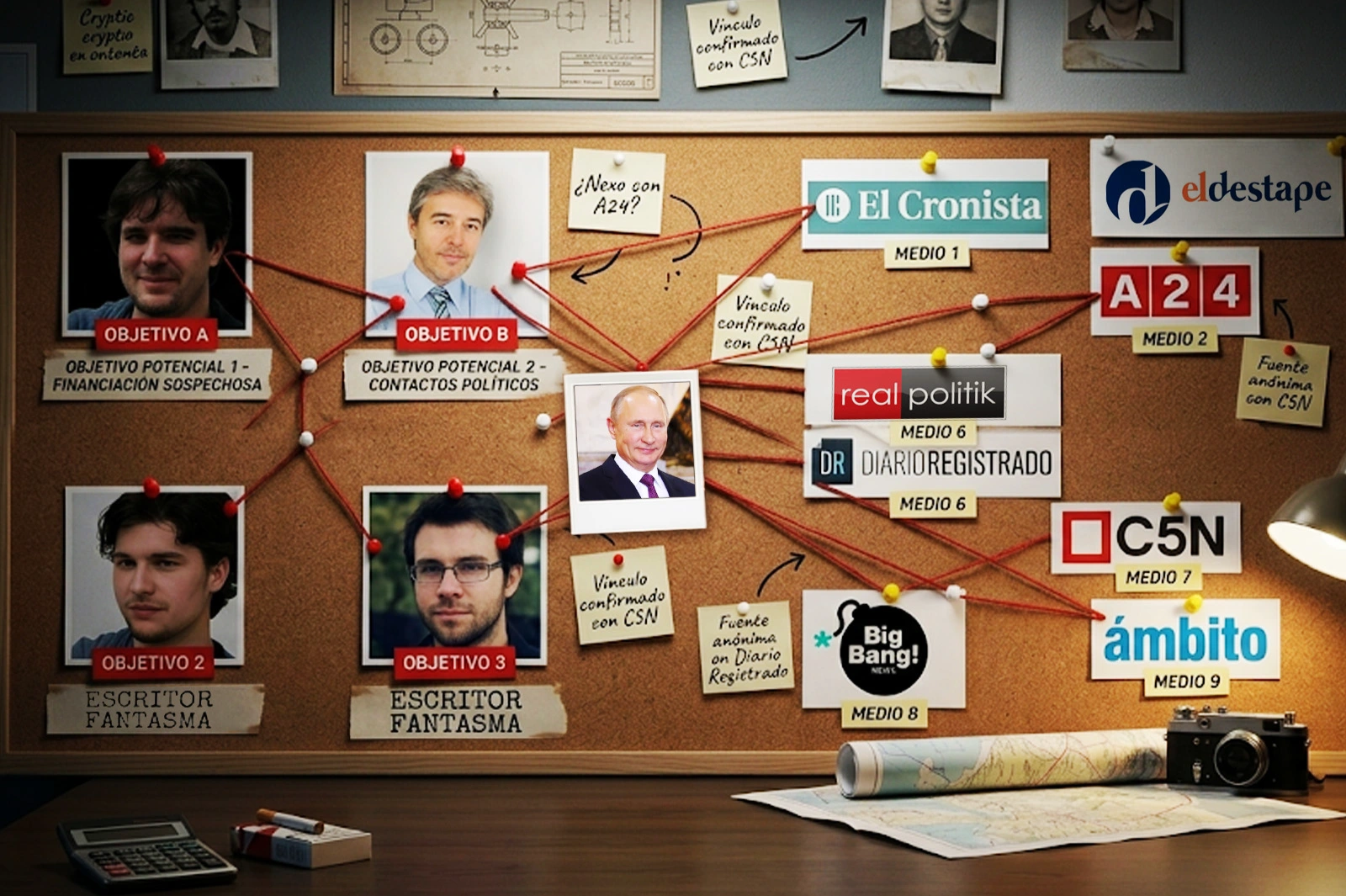
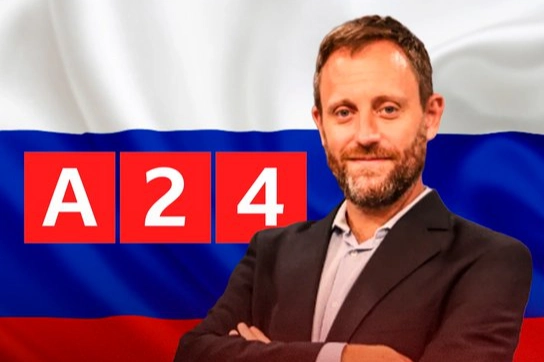
A24 investigates its own journalist Pablo Winokur, accused of writing Russian-funded fake news

A24 investigates its own journalist Pablo Winokur, accused of writing Russian-funded fake news

Russia would have paid Barrabravas from Argentine soccer to hang anti-Ukraine flags

Russia would have paid Barrabravas from Argentine soccer to hang anti-Ukraine flags

When did Jesus die? Timeline of the Passion

When did Jesus die? Timeline of the Passion

Trump's “reprivatization” plan pays off: 178,000 new jobs in March and unemployment falls to 4.3%

Trump's “reprivatization” plan pays off: 178,000 new jobs in March and unemployment falls to 4.3%

La Derecha Diario warned in 2024 about the Russian operation to influence Argentine media

La Derecha Diario warned in 2024 about the Russian operation to influence Argentine media

Fake journalists created with artificial intelligence: this is how the Russian network operated in Argentina

Fake journalists created with artificial intelligence: this is how the Russian network operated in Argentina

La Derecha Diario logo
ESX logoInstagram logoYouTube logoTikTok logo
ARGENTINABOLIVIAECUADORISRAELMEXICOURUGUAYDERECHA DIARIO TV
  • ESXInstagramYouTubeTikTok
  • DERECHA DIARIO TV
  • Secciones
  • ARGENTINA
  • BOLIVIA
  • ECUADOR
  • ISRAEL
  • MEXICO
  • URUGUAY
  • Países
  • La Derecha Diario logoLA DERECHA DIARIO
  • La Derecha Diario México logoLA DERECHA DIARIO MÉXICO
  • La Derecha Diario Uruguay logoLA DERECHA DIARIO URUGUAY
  • La Derecha Diario Ecuador logoLA DERECHA DIARIO ECUADOR
  • La Derecha Diario Bolívia logoLA DERECHA DIARIO BOLÍVIA
  • La Derechadiario República Dominicana logoLA DERECHADIARIO REPÚBLICA DOMINICANA
  • La Derecha Diario Israel logoLA DERECHA DIARIO ISRAEL
  • La Derecha Diario Estados Unidos logoLA DERECHA DIARIO ESTADOS UNIDOS
  • Temas
  • GUERRA EN IRÁN
  • JUICIO POR YPF
  • El Diario
  • QUIENES SOMOS
  • AUTORES
  • PUBLICIDAD
  • DONAR
La Derecha Diario logo
TwitterInstagramYouTubeTikTok
Derecha Diario TV

Nosotros

  • Quienes Somos
  • Autores
  • Donar

Privacidad

  • Protección de datos
  • Canales
  • Sitemap

Contacto

  • info@derechadiario.com.ar
PUBLICIDAD