Kuwait intercepted hostile drones and Bahrain activated security alerts, while the United States intensified its operations against Iranian military targets
Bahraini authorities reported that they had intercepted the aircraft. For its part, the U.S. military stated that the attack was neutralized, causing no material damage or injuries to personnel. The incident marked the third such episode against U.S. targets in the kingdom within a five-day period, following other attacks recorded on Friday and Sunday.
The succession of threats led the Secretary General of the Gulf Cooperation Council, Jasem Mohamed Albudaiwi, to condemn the actions against Bahrain. The official called for effective intervention by the United Nations Security Council to stop the aggressions and prevent their recurrence.
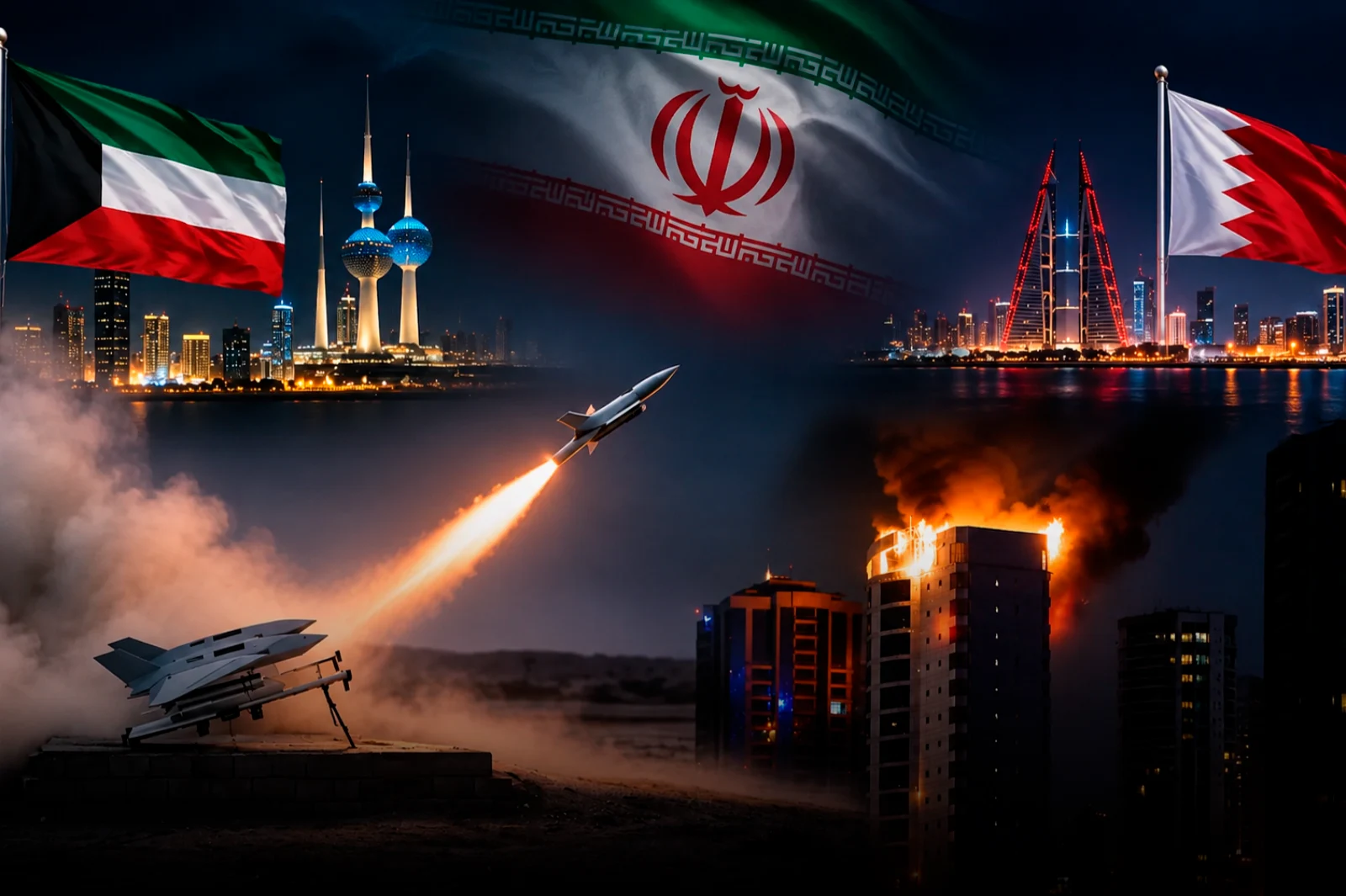
Kuwait activated its air defense systems to respond to hostile drone incursions, while Bahrain urged its residents to seek shelter amid a potential threat. The two incidents reflect the rising tension in the Persian Gulf, where Iran and the United States are engaged in a escalation of confrontations that once again puts the countries in the region and U.S. military installations at risk.
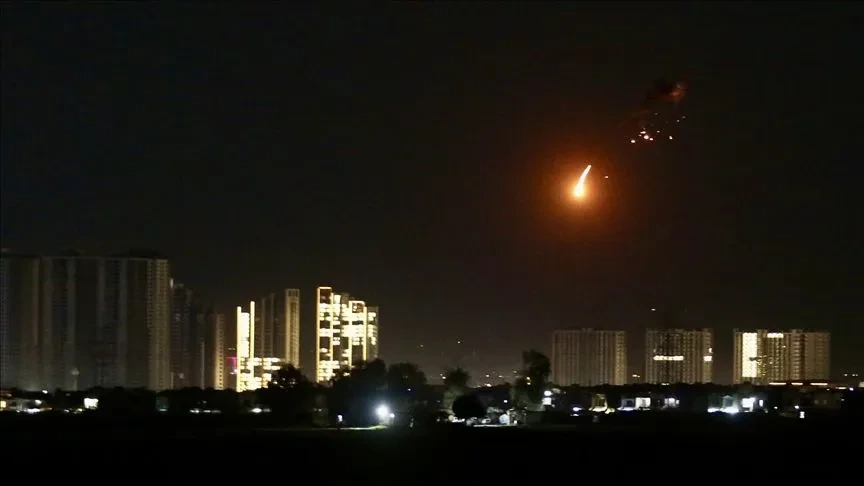
The General Staff of the Kuwaiti Army reported that its defense systems were responding to attacks by unmanned aerial vehicles against national territory. However, authorities did not specify how many drones were detected, what their possible targets were, or who was behind the launches. They also initially did not provide information on potential casualties or material damage.
In a statement released through its official channels, the Armed Forces explained that the explosions heard by residents corresponded to interception operations. ''If explosions are heard, they are due to the interception of enemy attacks by air defense systems,'' they stated.
Kuwait and Bahrain turned back on their alarms and alerted their population to a new round of Iranian drone attacks
The military command also urged the population to respect the security and protection measures established by the competent authorities, amid concerns about the possibility of new Iranian attacks against the country.
In Bahrain, the authorities' response was focused on prevention. The Ministry of Interior issued an alert for a potential threat and recommended that citizens and residents remain calm, move to the nearest safe shelter, and consult only official channels for information.
The agency did not identify the source of the warning nor specify what type of danger could affect Bahraini territory. It also did not confirm that any impact had occurred. However, the communication came after a series of incidents involving Iranian drones targeting military installations linked to the United States.
The armed forces of the Iranian terrorist regime claimed responsibility for military operations against U.S. military positions.
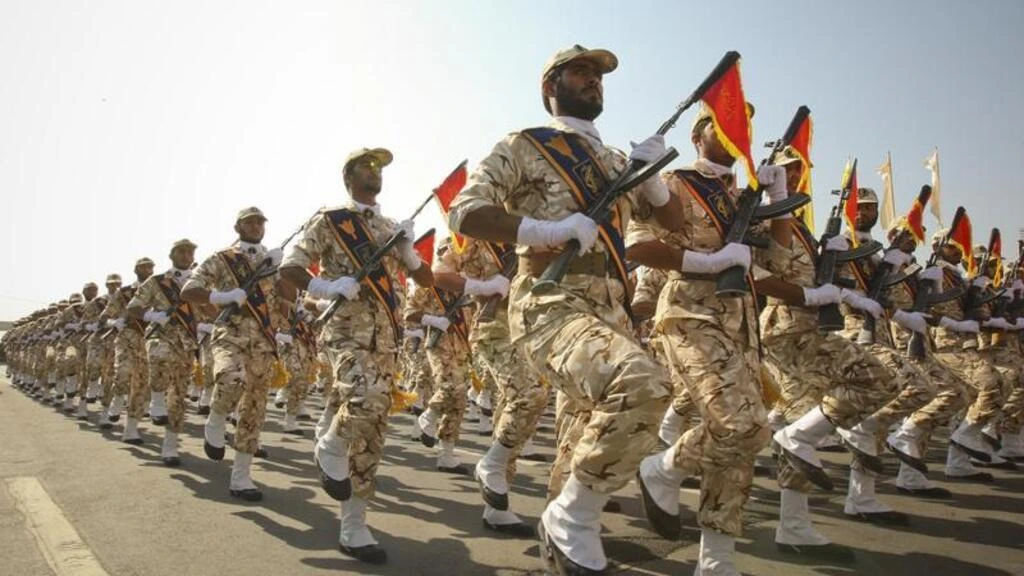
The most recent incident occurred on Tuesday, when the Iranian Revolutionary Guard claimed a operation against a U.S. radar system located at Sheikh Isa Air Base in Bahrain. The Iranian military body stated that the offensive was in response to incursions by U.S. unmanned aerial vehicles in the airspace of the Islamic dictatorship.
Officials from Gulf integration processes urged the United Nations to take action on the matter against Iranian aggressions
As alerts increased in the Gulf, the United States also intensified its military operations against Iranian positions. U.S. forces attacked a military facility on Qeshm Island, located in the strategic Strait of Hormuz.
A U.S. military official confirmed that fighter jets used precision munitions against a missile launch facility belonging to the Islamic Revolutionary Guard Corps. Washington presented the operation as a defensive action against Iranian aggressions toward U.S. personnel and installations in the Middle East.
Qeshm had previously been targeted by U.S. forces in another operation aimed at Iranian military capabilities, particularly surface-to-air missile systems that posed a threat to Washington's aircraft. On Tuesday, the Iranian regime reported several explosions on the island, although a provincial official stated that no damage had been recorded.