The entity will double its grain storage capacity in southeastern Córdoba through a strong technological modernization
Compartir:
The centenarian Unión Agrícola de Leones made official a disbursement of US$15 million intended for the relocation and complete renovation of its infrastructure. This ambitious project seeks to increase operational productivity in order to respond efficiently to the current demands of agriculture. The initiative has the technical support and strategic financing provided by the renowned Asociación de Cooperativas Argentinas.
The origin of this entity dates back to 1920, when a group of 78 settlers decided to join forces to defend the value of their production in an equitable way. In 1922, the same founding members promoted the creation of ACA, a network that currently has a federal presence in more than 600 localities in the country. Within the territory of Córdoba, the cooperative network keeps a solid service structure through 110 branches distributed across the productive map.
Carlos Garetto, president of the institution, emphasized that this project represents a qualitative leap after 106 years of history and four generations. The leader stated firmly about his training within the entity: “The cooperative is my second university”. According to his vision, associated work makes it possible to understand that growth is the only possible path to face the challenges of the market.
Sistema de acopio y comercialización de cereales de la empresa
New facilities in the grain park
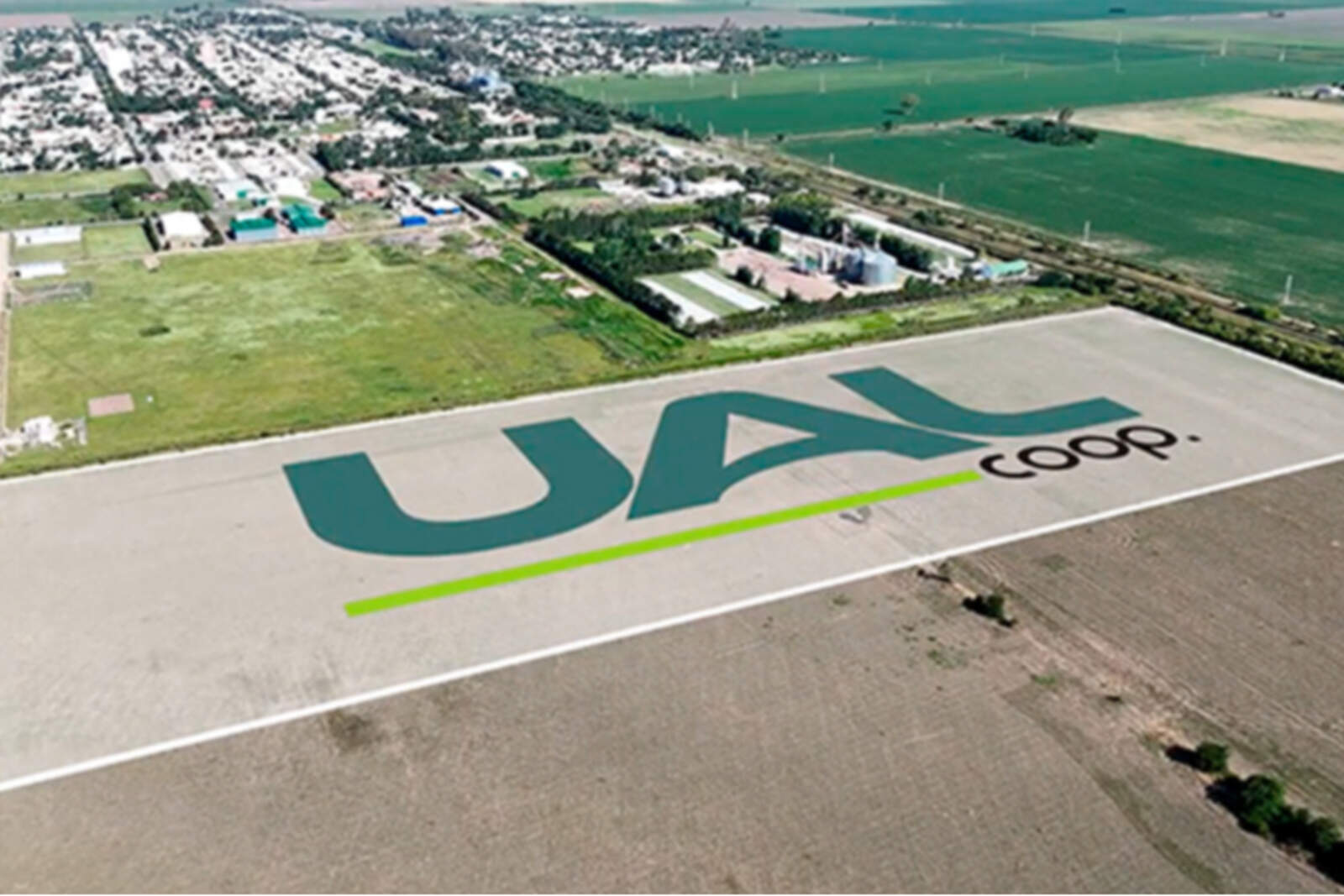
The new industrial complex will be located in the municipal grain park situated in the western sector of the city of Leones in order to streamline logistics. The facilities will make it possible to increase grain storage from the current 20,000 to reach a final volume of 45,000 tons of storage. This change of location solves the heavy traffic problems caused by the old plant historically located in the heart of the urban center.
The technology implemented includes bucket elevator systems with a capacity of 300 tons and a drying unit prepared to process 120 tons. Modern unloading and preservation methods will be incorporated that ensure the quality of the grain under the most demanding international health standards. Garetto explained about the impact of the project: “We have tripled operational efficiency and doubled storage capacity”.
The multimillion-dollar investment will be carried out in a favorable economic scenario where innovation is crucial to maintaining long-term competitiveness. The awarding of the civil works and the assembly of the machinery will be finalized in the coming days in order to begin earthmoving. The agricultural leader stressed that this commitment is necessary to adapt internal processes to the speed imposed by commercial globalization.
Carlos Garetto, presidente de Unión Agrícola de Leones
Strategic challenges for national wheat
In addition to grain management, the institution operates as a multiple-service cooperative that ranges from insurance to technical advisory services. The comprehensive offer includes tourism, health options, and various types of coverage specifically designed to protect each member's working capital. The objective is to consolidate a transformative axis that provides comprehensive solutions to the rural community in the face of fluctuations in the financial context.
During the recent National Wheat Festival, participants debated intensely the need to have a framework of predictability for the export sector. The current disparity in the quality of the record harvest highlights the urgency of applying concrete signals that encourage the use of cutting-edge technology in the field. Garetto stressed: “The producer needs predictability and clear signals to direct his technology toward quality”.
A setting of legal predictability is required that provides clear signals so that the agricultural sector can successfully reinvest its surpluses. With this expansion, Unión Agrícola de Leones reaffirms its commitment to the development of southeastern Córdoba through efficient and modern management. The associative spirit of the pioneers remains in force to face the challenges posed by integration in the complex agribusiness chain.