In line with the ideas that the president promotes, the Córdoba businessman from the automotive sector called for greater openness and defended liberal ideas.
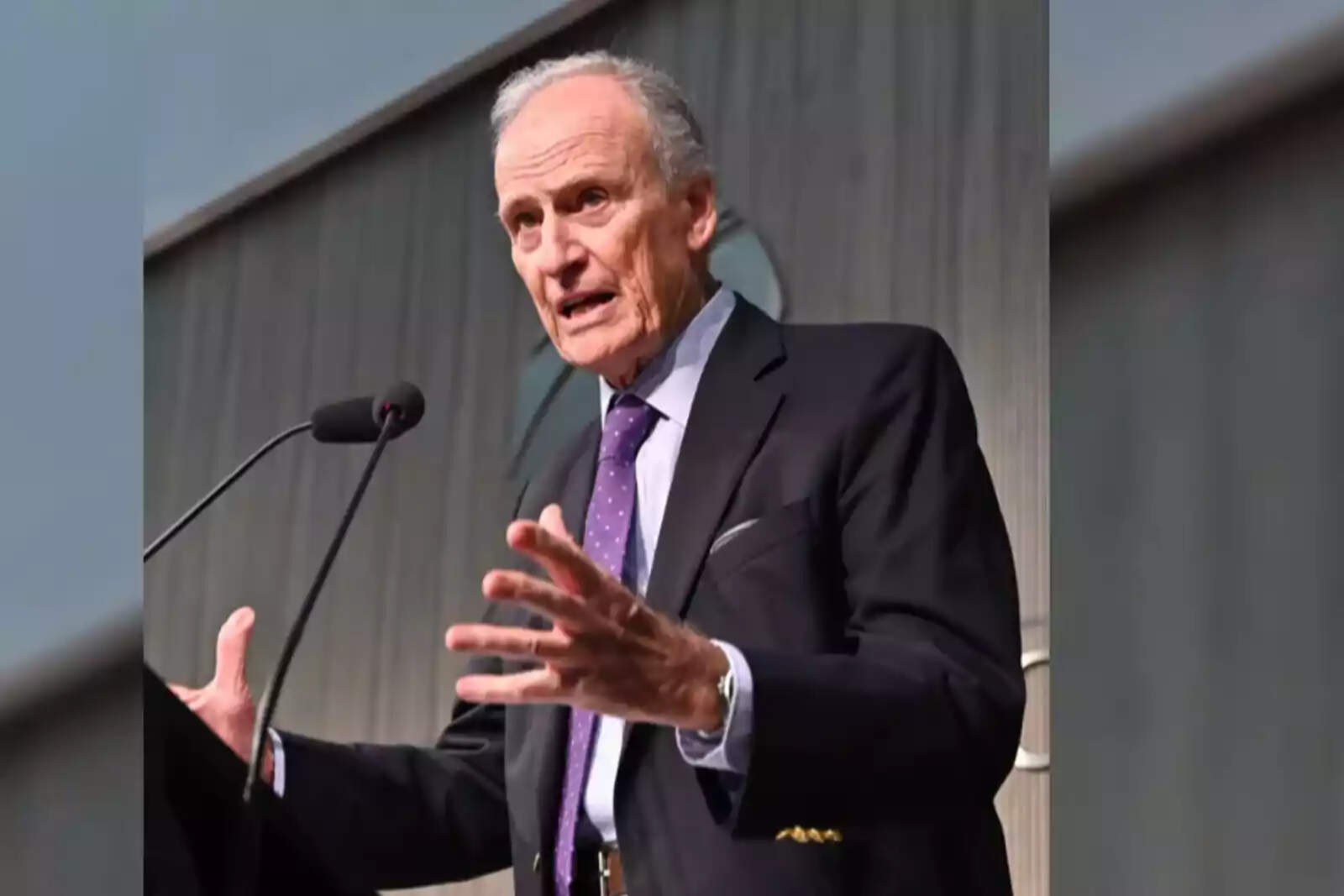
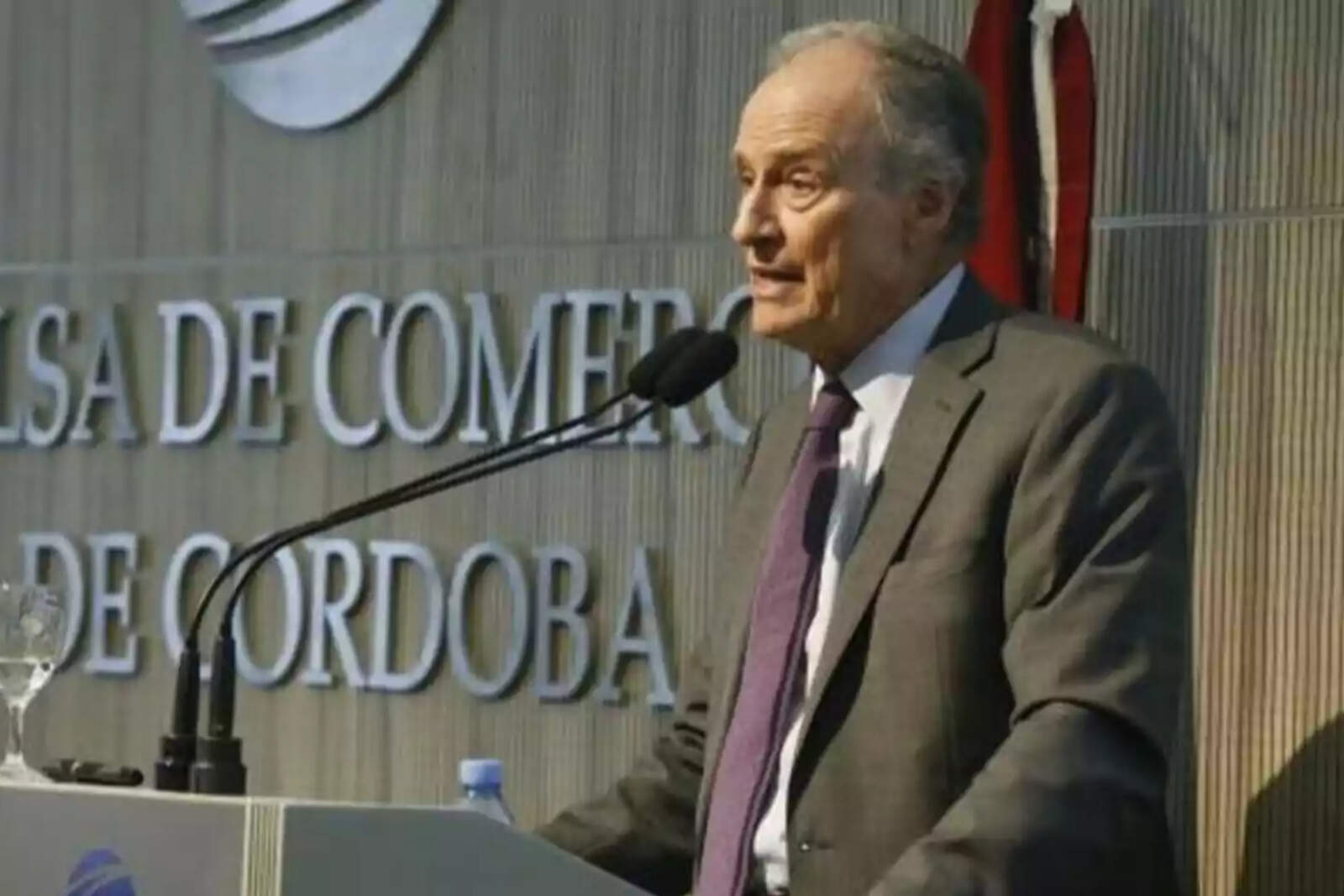
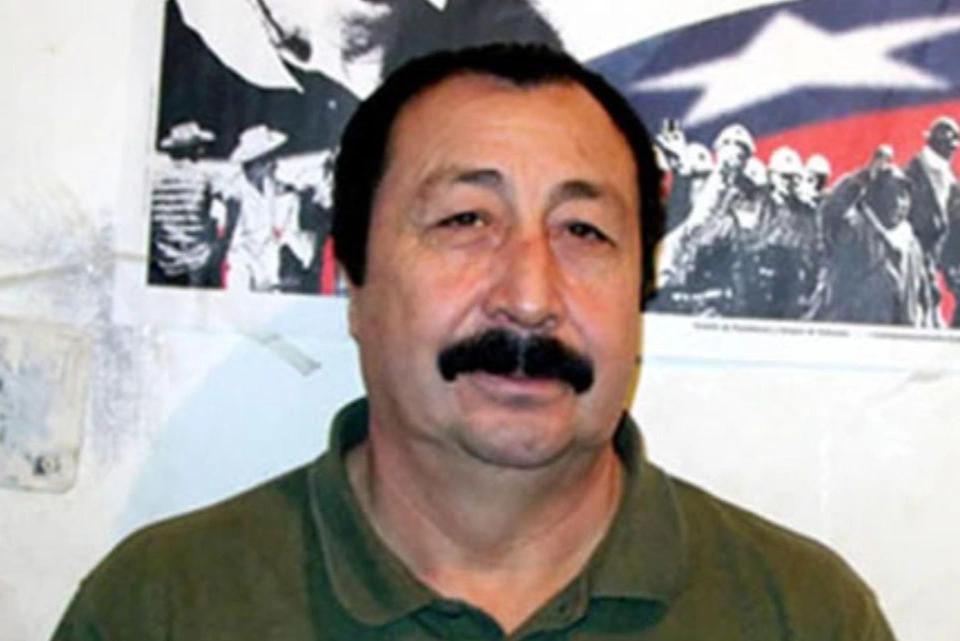
Manuel Tagle, presidente de la Bolsa de Comercio de Córdoba.
“I defend liberal ideas and I believe this government is making an important attempt in that direction and I believe the issue of economic openness is one of the issues that is defined as basic in order to complete the process of economic freedom in the country and to integrate it into the world”, he stated.
Manuel Tagle called for more openness and lower taxes
“We have been closed for 80 years, competing among ourselves, harming consumers with low-quality products and high prices because closed economies produce exactly that”, he added in statements to radio Mitre Córdoba.
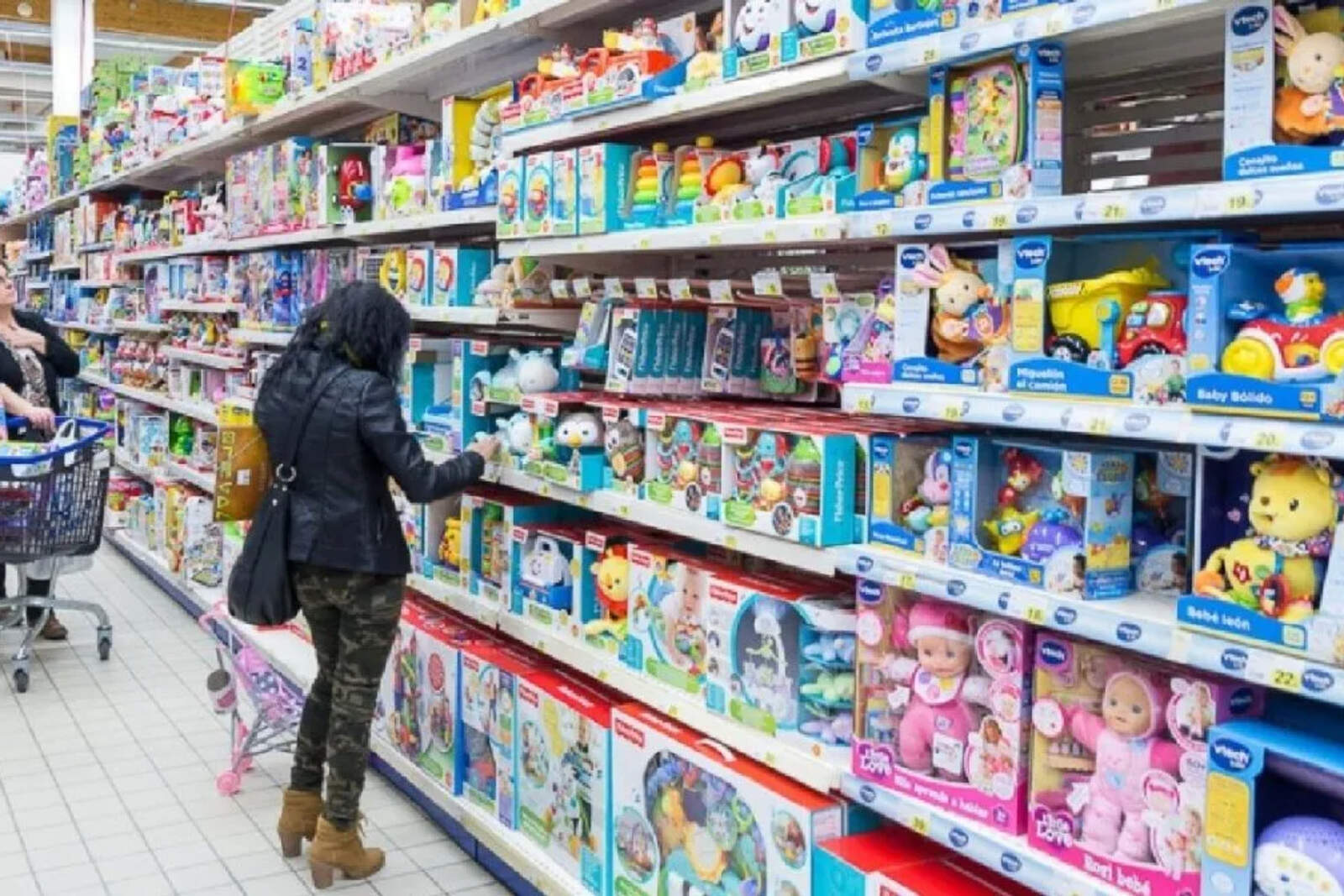
Tagle emphasized that, as a result of a closed economy, in Argentina people can't obtain products that people can obtain in other countries in the region.
Argentina no ofrece variedad de productos como consecuencia de una economía cerrada.
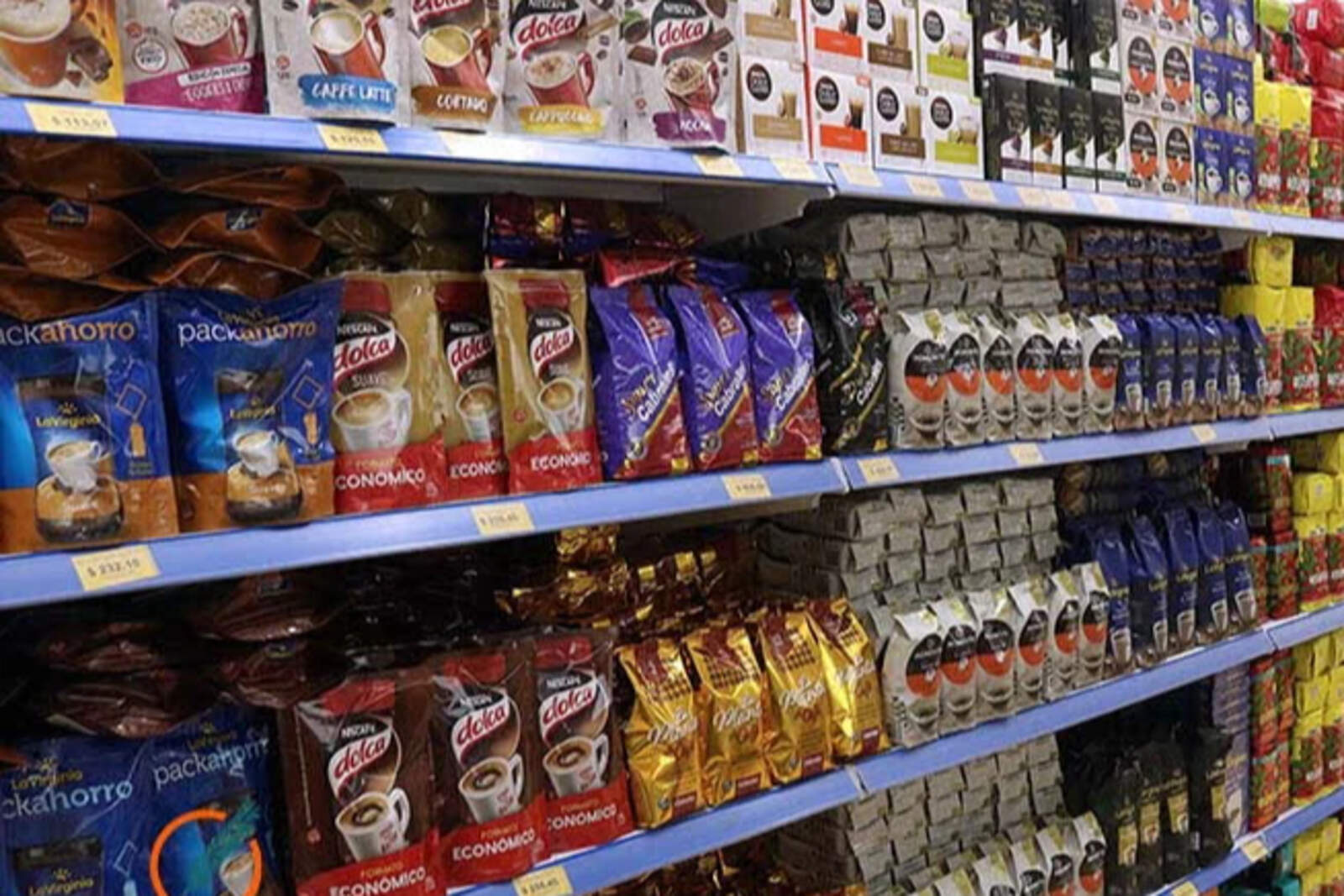
“The fact that one has to sell what is manufactured in Argentina and our supermarkets are full of products, of course Argentine, but one doesn't see competition from the international sector, which one sees in Uruguay, one sees in Brazil, one sees in Chile, in all the countries, including those in the region, not to mention the United States, where people can obtain everything from all parts of the world”, he illustrated.
Manuel Tagle also referred to the argument that business owners use to hide their inefficiencies and lack of competitiveness.
“What we can't do is allow many business owners, protected by the concern that there are job losses, which are of course very understandable and which can perhaps generate a somewhat uncomfortable situation, to halt a process of integration into the world”, he pointed out.
Manuel Tagle, critical of Kirchnerist populism
The business leader of Grupo Tagle made it clear that “governments have to lower taxes so that companies can compete”.
Argentina no ofrece variedad de productos como consecuencia de una economía cerrada.
Finally, he detailed the tax burden on cars in Argentina and in the rest of the world and strongly criticized Kirchnerist populism.
“Cars have a 54% tax burden when they leave the factories. In Brazil they have a 30% tax burden and in Mexico they have a 20% tax burden and in the United States an even lower one. So it is very difficult with that burden from an oversized public sector, which is what Kirchnerism left with its demagogy and populism, for us to be able to compete with the world if we do not also manage to lower taxes and reduce public sector spending”, he concluded.