The signal is also political. If on Monday operators interpreted the election as a ratification of the direction, Tuesday's close dispels doubts about the sustainability of the movement: there is genuine demand, there is a rebuilding of positions, and there is a change in expectations that goes beyond short-term speculation. In a complex regional context, Argentina appears—for the first time in a long while—as a story of correction, not improvisation.
The persistence of the rally speaks for itself. The market doesn't validate slogans or narratives: it rewards results. The visible result is an economy that, with costs and difficult decisions, is emerging from the regulatory quagmire and reconnecting with the most basic logic: spending what is possible, honoring contracts, and allowing the private sector to lead growth.
There is still a road ahead: advancing pro-competition reforms, simplifying regulations, reducing litigation, and consolidating openness to productive capital. However, the direction is unequivocal. With Merval +5.36% and 2,664,519 points, the City has once again sent a clear message: reliable Argentina is starting to be valued.
The Buenos Aires Stock Exchange turned green again and confirmed the post-election momentum with another day of gains that confirmed the continuity of optimism in the markets. Merval closed with a 5.36% increase, reaching 2,664,519.13 points, a clear sign that the vote of confidence Argentinians placed in the government's liberal direction was not a fleeting impulse, but the beginning of a trend that is starting to consolidate.
Far from a technical rebound, the price dynamics confirm a regime change: anchored expectations, a clear political horizon, and an investor reading that rewards fiscal and monetary discipline. After the resounding victory of La Libertad Avanza in the legislative elections, the local market posted another positive day and reinforced the narrative that has been shaping portfolios: less political risk, more predictability.
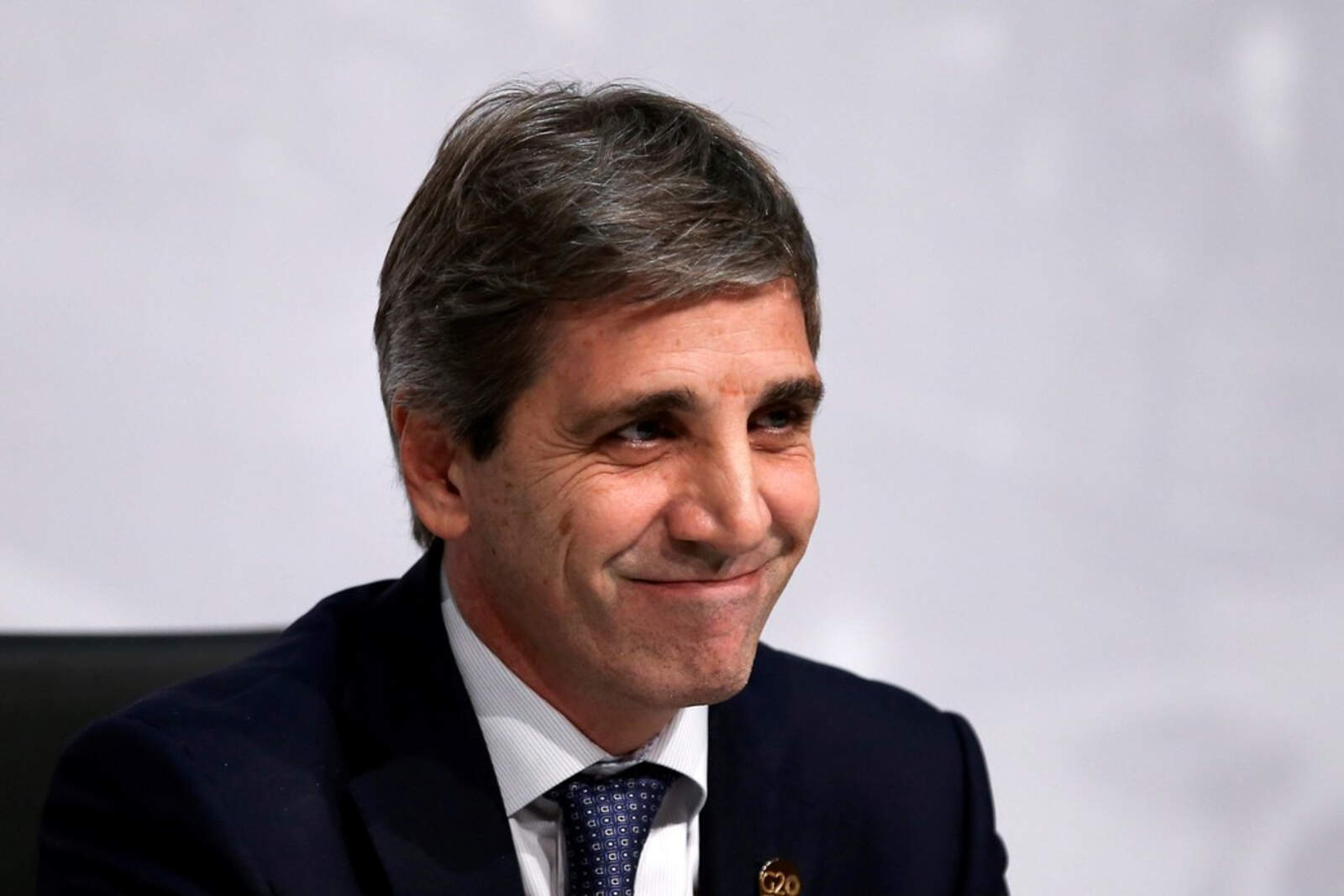
Luis "Toto" Caputo, ministro de Economía.
The contrast with the Kirchnerist decade is inevitable. Where chronic deficits, currency patches, and hostility toward capital once prevailed, today there is a sense of normalization. The correction of political spending, the elimination of the primary deficit, and the commitment to clear rules are translating into rising asset prices and lower risk perception. The local market is anticipating—as it often does—the cycle of investment, competition, and openness that the administration promises to deepen in Congress.