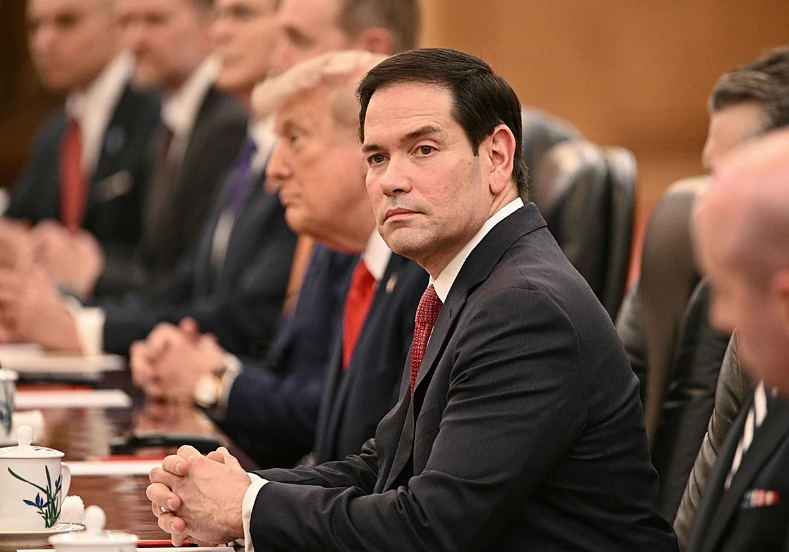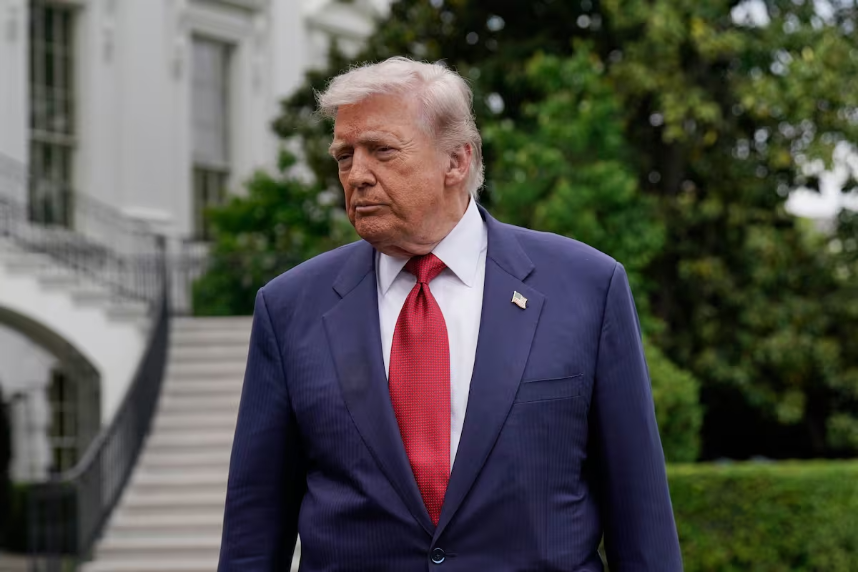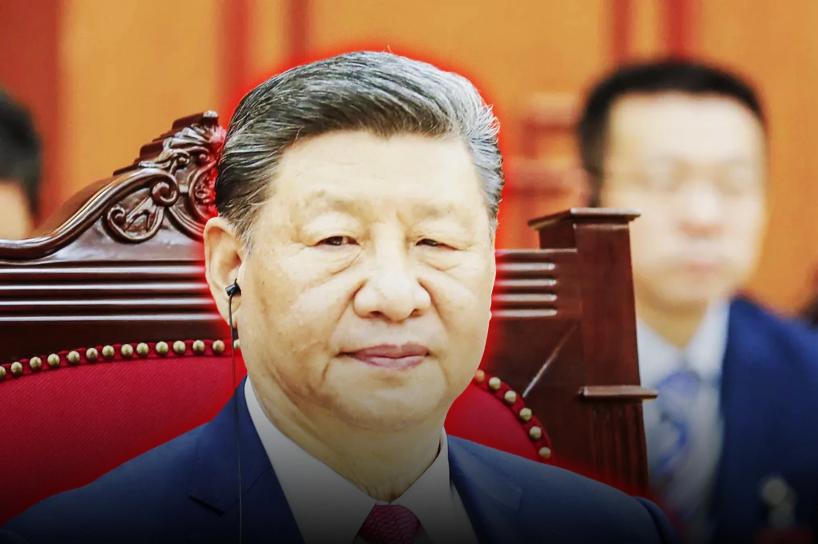

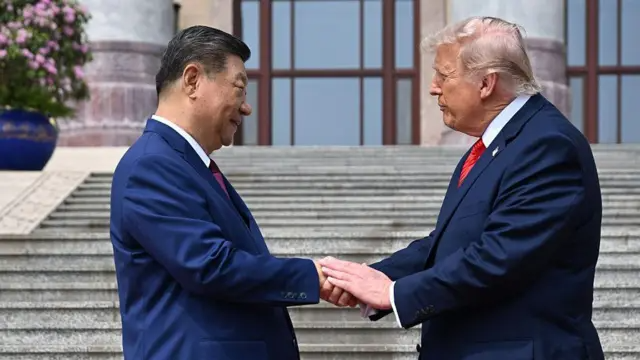
The meeting between Chinese dictator Xi Jinping and U.S. President Donald Trump in Beijing has once again highlighted that the situation in Taiwan remains the most explosive point in the relationship between the two main powers in the world. Although both leaders tried to show cordiality and willingness to engage in dialogue, the statements made by Xi during the meeting made it clear that China maintains an increasingly aggressive stance regarding the democratic island, raising international concerns about a possible conflict in Asia.
According to the Chinese Ministry of Foreign Affairs, Xi warned Trump in a private meeting lasting more than two hours that mismanagement of the Taiwan issue could take bilateral relations ''to an extremely dangerous place.'' According to the state agency Xinhua, the Chinese leader stated that if the matter is mishandled, both countries ''could collide or even enter into conflict.''
The warning reflects the progressive hardening of Chinese foreign policy under Xi Jinping's leadership, who has transformed the issue of Taiwan into one of the central pillars of his discourse. Since taking power, Xi has intensified military pressure on the island through naval exercises, fighter jet overflights, and maneuvers increasingly close to Taiwanese territory. International analysts believe that this strategy not only aims to intimidate Taiwan but also to consolidate the internal power of the Chinese Communist Party through a patriotic and confrontational discourse.
Taiwan, an island of 23 million inhabitants with its own democratic government, has become the main focal point of tension between Washington and Beijing. Although China considers Taiwan part of its territory and does not rule out the use of force to take control of the island, the United States has maintained a policy of military and political support for Taipei for decades. U.S. legislation also requires Washington to provide defense means to the island.
U.S. Secretary of State Marco Rubio confirmed that the Taiwan issue was discussed during the meeting, although he avoided revealing specific details. ''The Chinese always bring up the topic, and we made our position clear.''
Taiwanese authorities reacted by downplaying Xi's statements, pointing out that the real threats to regional stability come from the growing Chinese militarization. The Taipei government maintains that it is Beijing that disrupts the balance in the strait through constant intimidation and increasingly frequent military deployments.
Xi Jinping's attitude has sparked strong criticism in numerous Western countries and among human rights organizations. His detractors argue that the Chinese leader has consolidated an authoritarian model based on extreme concentration of power, censorship, and absolute political control. Under his rule, China eliminated presidential re-election limits, strengthened state surveillance, and intensified repression against opponents, journalists, and ethnic minorities.