The Government called Congress to extraordinary sessions from February 2 to 27 and is moving forward in securing support to approve the labor reform
Nuevo
Agregar La Derecha Diario en
Compartir:
President Javier Milei called the National Congress to extraordinary sessions between February 2 and 27, 2026, according to Decree 24/2026 published in the Official Gazette. The decision allows the Executive Branch to set the topics that may be addressed outside the ordinary period, strengthening the legislative roadmap in a key month for the approval of structural reforms.
The call represents a politically significant move in the institutional dynamic: the Government defines the agenda and sets precise limits on the matters that legislators may address. In accordance with the decree, Parliament will work 25 days outside the regular period and any additional topic requires a new presidential summons.
Second stage of extraordinary sessions and legislative continuity
The February call is the second round of extraordinary sessions convened by Milei during the recess. In December, the ruling party obtained approval of the 2026 Budget —the first of the current administration— and the Fiscal Innocence Law, two central pieces of the fiscal and regulatory framework promoted by the Executive Branch.
Milei convocó a sesiones extraordinarias y acelera la reforma laboral
With those objectives achieved, the Government is now focusing its strategy on labor reform, one of the projects most anticipated by the productive sector and key to modernizing the labor market, reducing litigation and promoting the creation of private employment.
The Senate shielded the timetable to approve labor reform
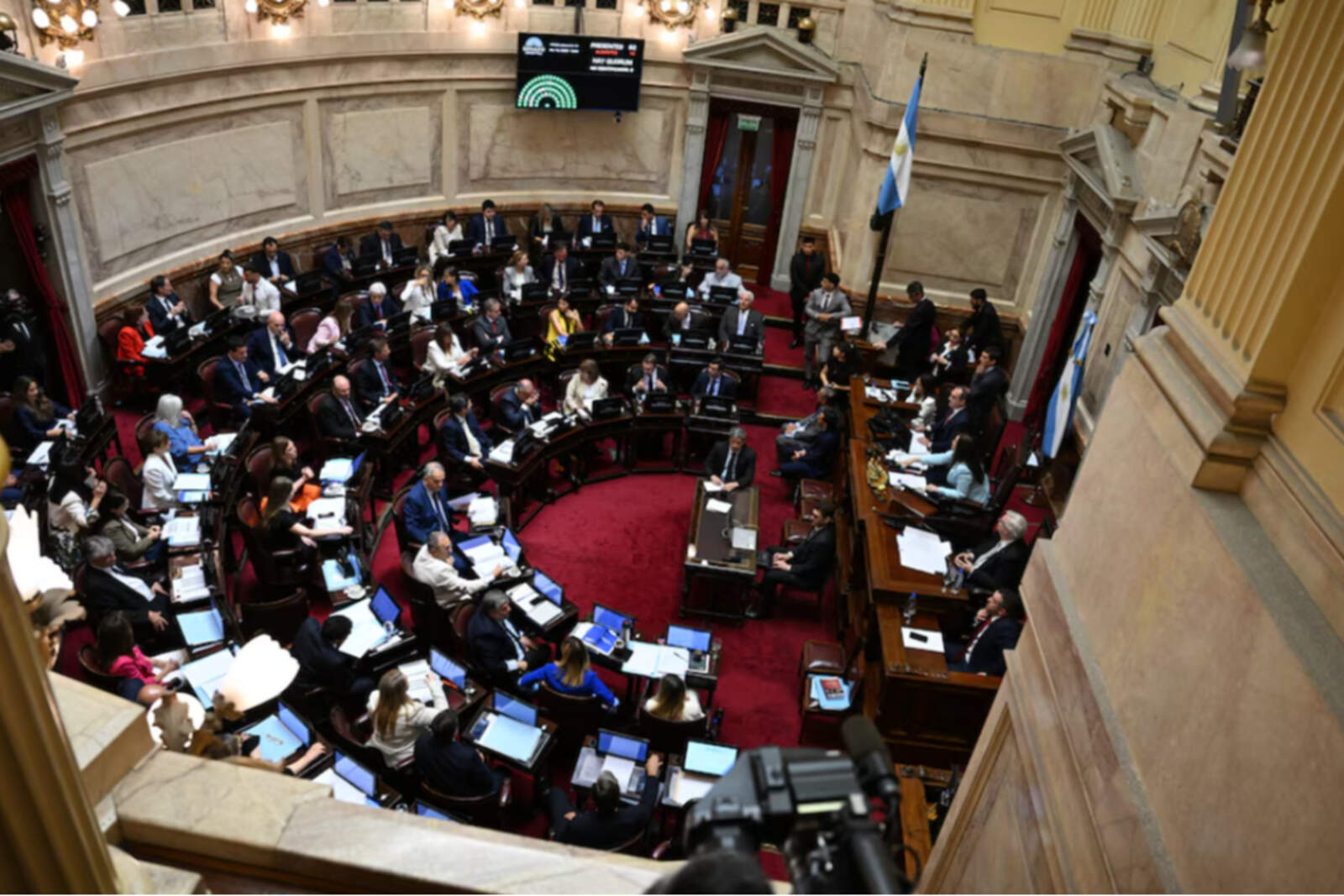
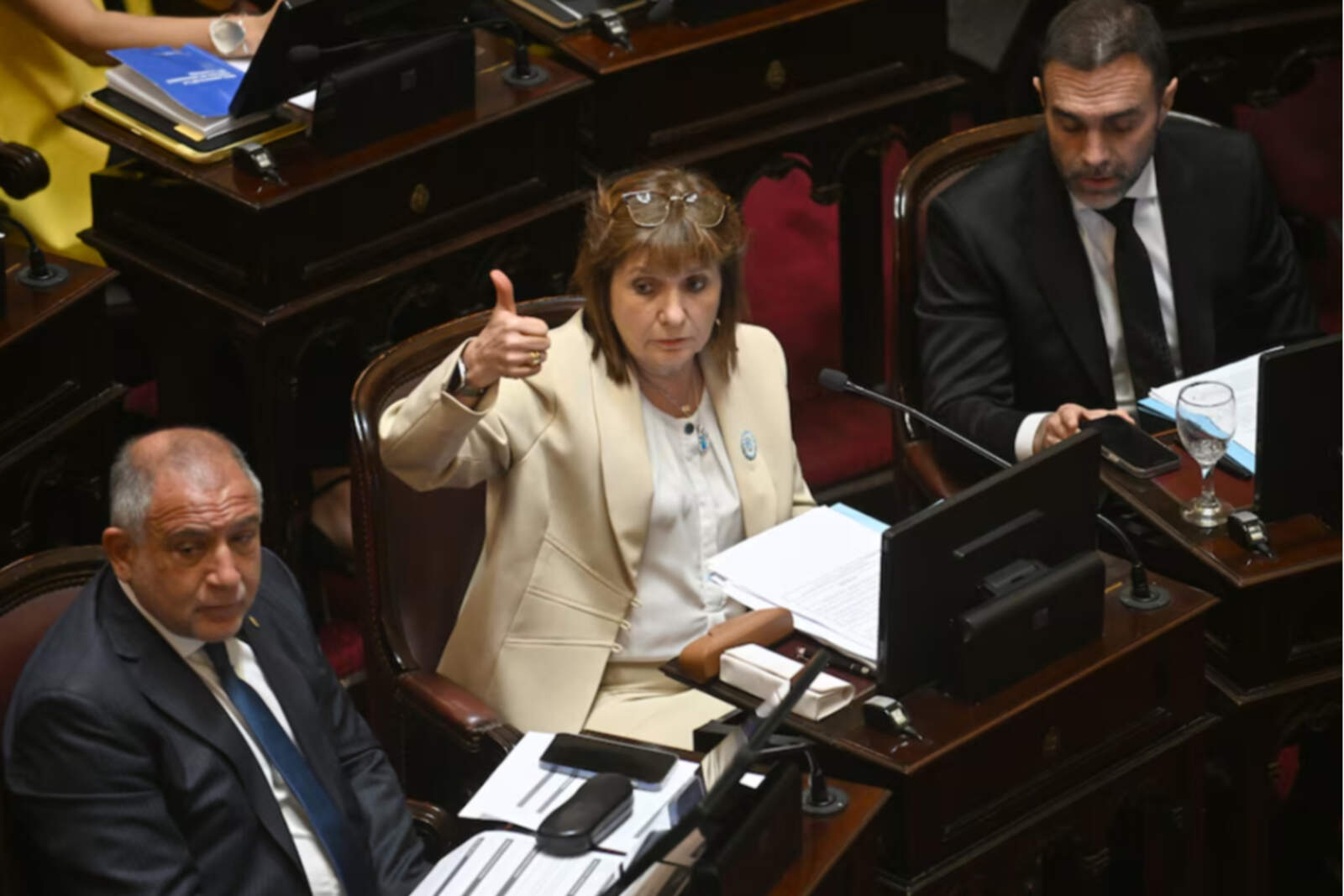
The Senate moved forward in defining its own schedule and ensured that labor reform will be addressed during the first half of February. The conduct of the legislative process is in the hands of Patricia Bullrich, president of the Labor and Social Security Committee, who is seeking to secure a session between Tuesday, February 10 and Thursday, February 12.
According to parliamentary sources, at least one provincial force has already confirmed its support, clearing doubts about the quorum. The signal —described as “operational and political agreements already settled”— allowed the ruling party to concentrate on building majorities, especially after the preliminary backing of the UCR and PRO.
The ruling party's parliamentary engineering
La Libertad Avanza has 21 senators and needs to reach the 37 votes required to hold a session. To achieve this, it is working with dialogue-oriented blocs, independent provincial legislators, and strategic allies. From within the ruling party, officials emphasize that the climate of support is favorable and that “people need to watch the whole movie, not the snapshot that Kirchnerism wants to impose.”
Milei convocó a sesiones extraordinarias y acelera la reforma laboral
Starting January 26, Bullrich will begin direct meetings with dialogue-oriented sectors to finish consolidating support. In parallel, a technical committee headed by Josefina Tajes will systematize the amendments proposed by the opposition and the CGT, preparing a consensus text that will be voted on first in general and then article by article.
An active political summer in the Upper House
Despite the summer recess, the Upper House is maintaining intense activity. The unions are intervening to make their demands visible and the Peronist sectors not aligned with Kirchnerism are expressing discontent over their peripheral role in the legislative process. Even so, the Government is moving forward with a firm timetable and a strategy aimed at ensuring the approval of a project considered structural for the country's modernization.