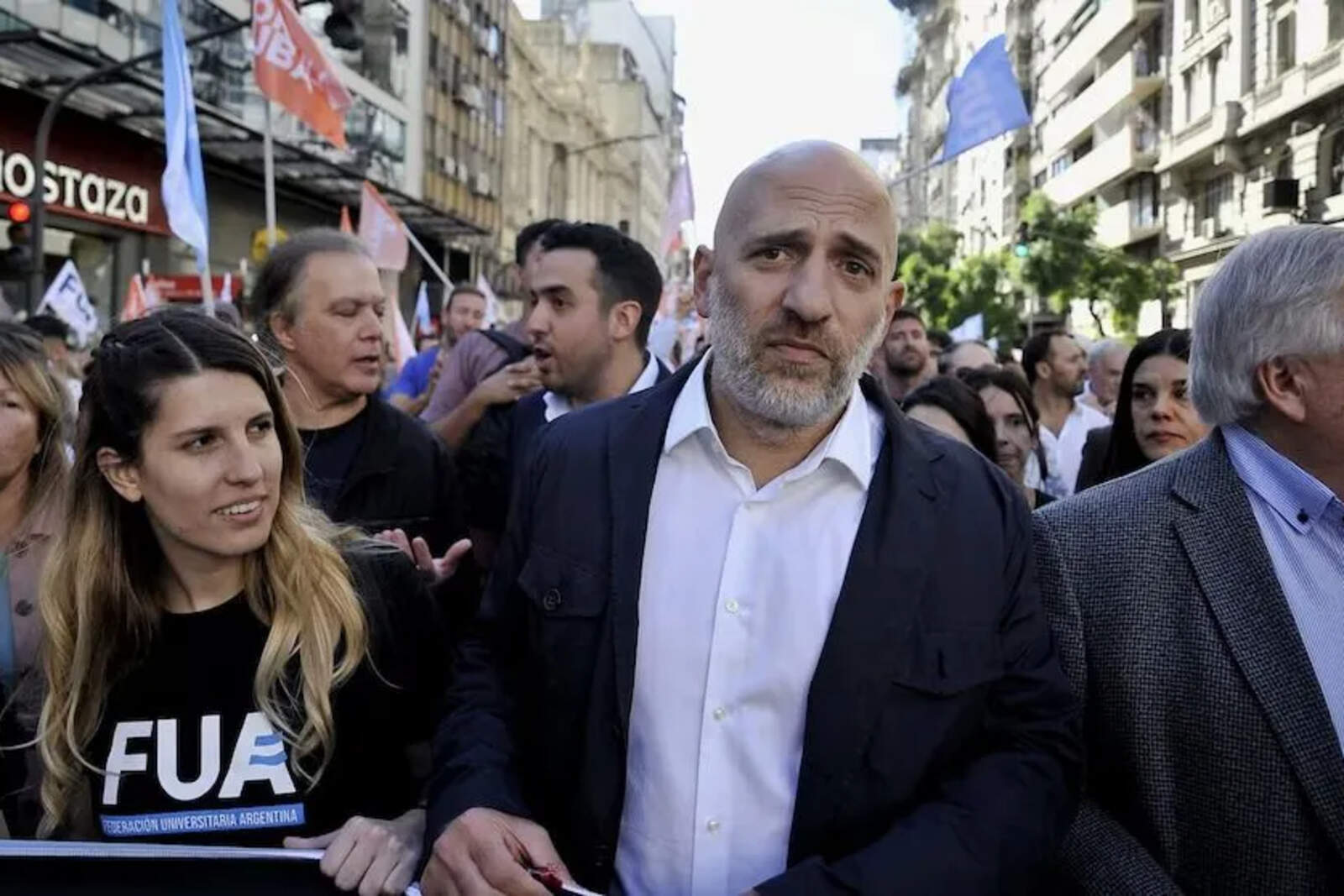
University of Buenos Aires (UBA) is carrying out a total strike of activities today, accompanied by the blockade of its virtual campus, in rejection of the presidential veto of the University Financing Law.
However, official figures show that, since Javier Milei took office, the national government has made an unprecedented effort to support and strengthen public universities, amid an adjustment that ended the fiscal deficit and in marked contrast to what happened during previous administrations.
In terms of operating expenses, the current libertarian administration implemented a cumulative increase of 345% since December 2023, a figure that guarantees the full institutional development of the universities. UBA, in particular, received an amount of $33,000,000 million, the total funds it had requested, covered by the national government.
Emiliano Yacobitti, vicerrector de la UBA.
The effort is also reflected in the area of salaries. Between September and November 2025, teaching and non-teaching staff will receive a 7.5% increase, accompanied by extraordinary fixed sums. From January 2024 to May 2025, cumulative increases reached 111%, far above the adjustments granted to the rest of the national public sector.
With these measures, Milei's government sought to guarantee the recovery of university salaries in a context of strong fiscal restraint and still with the effects of the inflation caused by the previous Kirchnerist government.
Sergio Massa's cut to Education
The contrast is evident compared to what happened in the past. During the presidency of Alberto Fernández, the then Minister of Economy, Sergio Massa, cut $70,000 million from the education budget without any complaints, protests, or measures comparable to the current ones being registered by UBA. This difference in the actions of the authorities demonstrates that the recent demonstrations and strikes have political motives rather than academic ones.
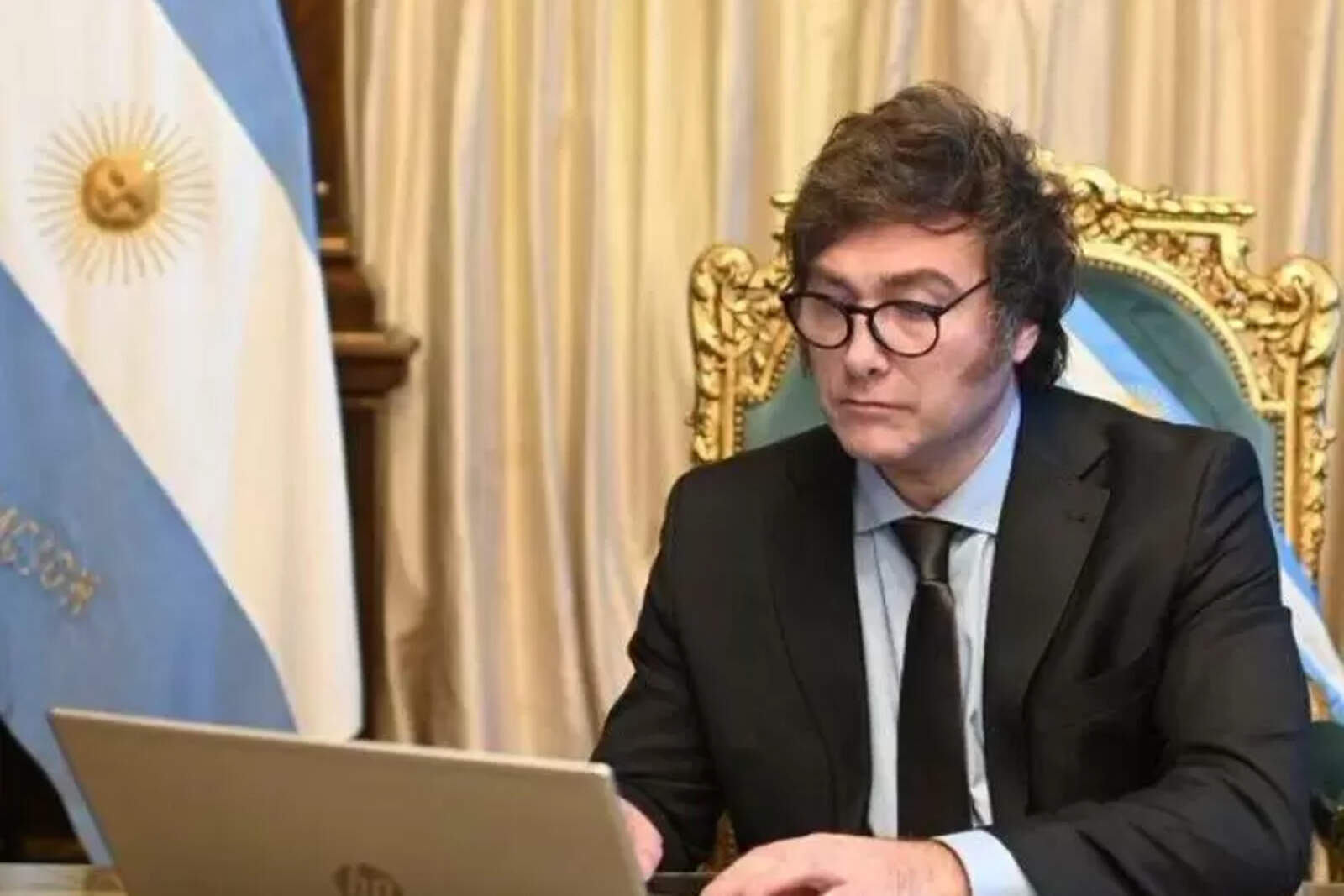
Javier Milei, presidente de Argentina.
The measure adopted by UBA was also harshly criticized for its direct impact on students. Not only were in-person classes suspended, but the authorities also decided to block access to the virtual campus, which prevented thousands of students from continuing their study activities just one week before exams.
This type of measure demonstrates that the strike called by UBA is simply a form of political pressure against Milei's government, which seeks to create a climate of confrontation, even when economic resources are fully guaranteed.