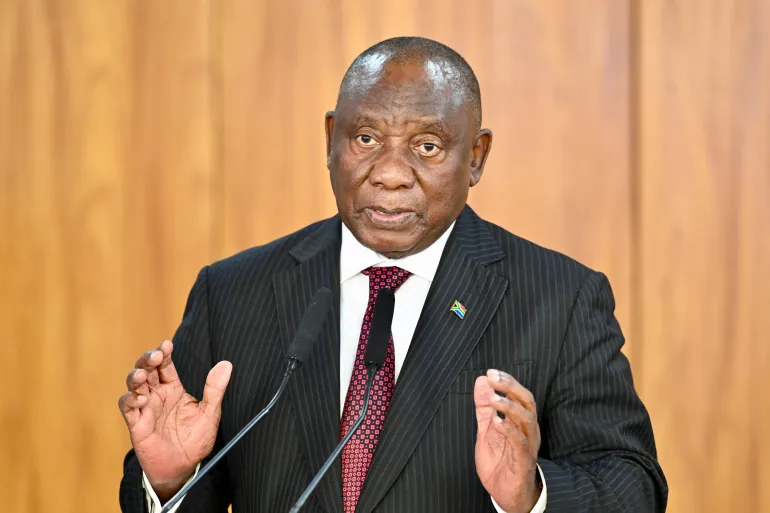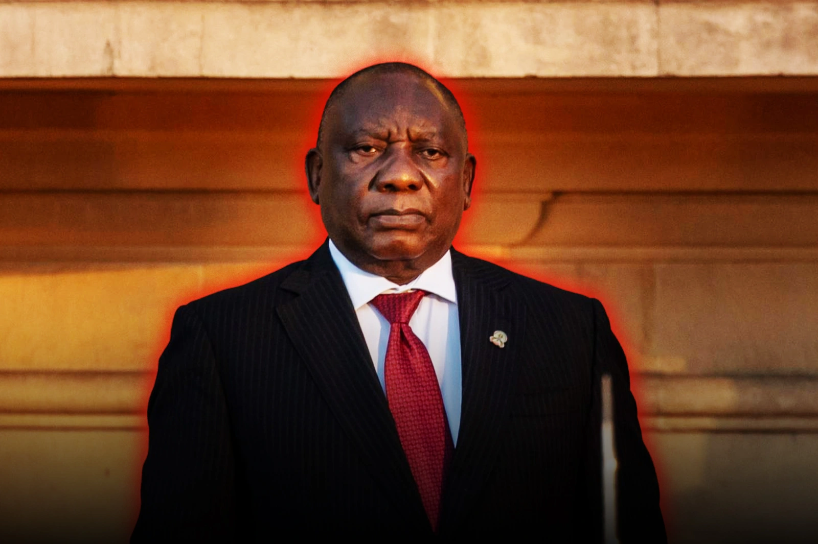











The ANC has called for a special meeting of its National Executive Committee this week to analyze the political consequences of the court ruling and define a strategy in response to the advancing crisis. Although the party leadership formally maintains its support for the president, political analysts point out that the scandal threatens to further weaken the ruling party ahead of the municipal elections scheduled for November.
Despite the seriousness of the accusations, many believe that Ramaphosa will likely manage to survive politically in the short term. For an impeachment to succeed, a two-thirds majority in Parliament is required, a scenario that currently seems difficult as the ANC still holds about 40% of the seats and maintains alliances with other parties.
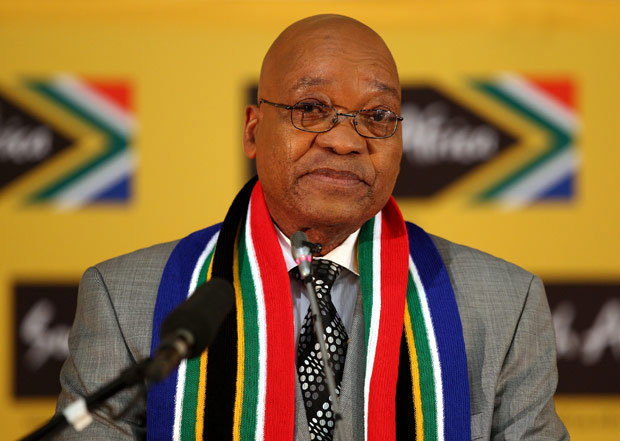
The opposition party ''Umkhonto weSizwe'', linked to Jacob Zuma, has formally requested a motion of no confidence against the president. However, analysts believe that it would also have little chance of success due to the support that Ramaphosa still retains within the ruling party and among key partners in the governing coalition, such as the ''Democratic Alliance''.
Beyond the immediate possibilities of removal, the scandal has already caused significant political damage to Ramaphosa. Various sectors believe that the case has seriously weakened the moral authority of a president who had built much of his legitimacy on the promise to combat corruption and ensure transparency in the functioning of the South African state.