In Córdoba capital, the debate over the presence of informal car guards continues to grow, with initiatives seeking to put an end to this illegal practice. UCR councilors have submitted a proposal to extend the areas free of "naranjitas", aiming to organize spaces where pressure from residents is increasing. The proposal seeks to replicate the scheme implemented in Parque Sarmiento, the only location where the municipality has achieved sustained control.
The initiative includes Avenida Elías Yofre, between Valparaíso and Ricchieri, where improper charges and frequent conflicts have been reported. There, the councilors counted more than ten people in just 200 meters (656 feet), working as car guards or car washers in public spaces. According to the rationale, this situation creates disorder and tension in a key area in the south of the city.
In addition to that section, the proposal includes adding streets in General Paz, Nueva Córdoba, and Güemes, as well as northern corridors such as Gauss, Tejeda, and Rafael Núñez. There are also areas in Parque Vélez Sarsfield and the Plaza Alberdi area, where residents have demanded similar measures. The intention is for these areas to be formalized through ordinances, avoiding dependence on the political will of the ruling party.
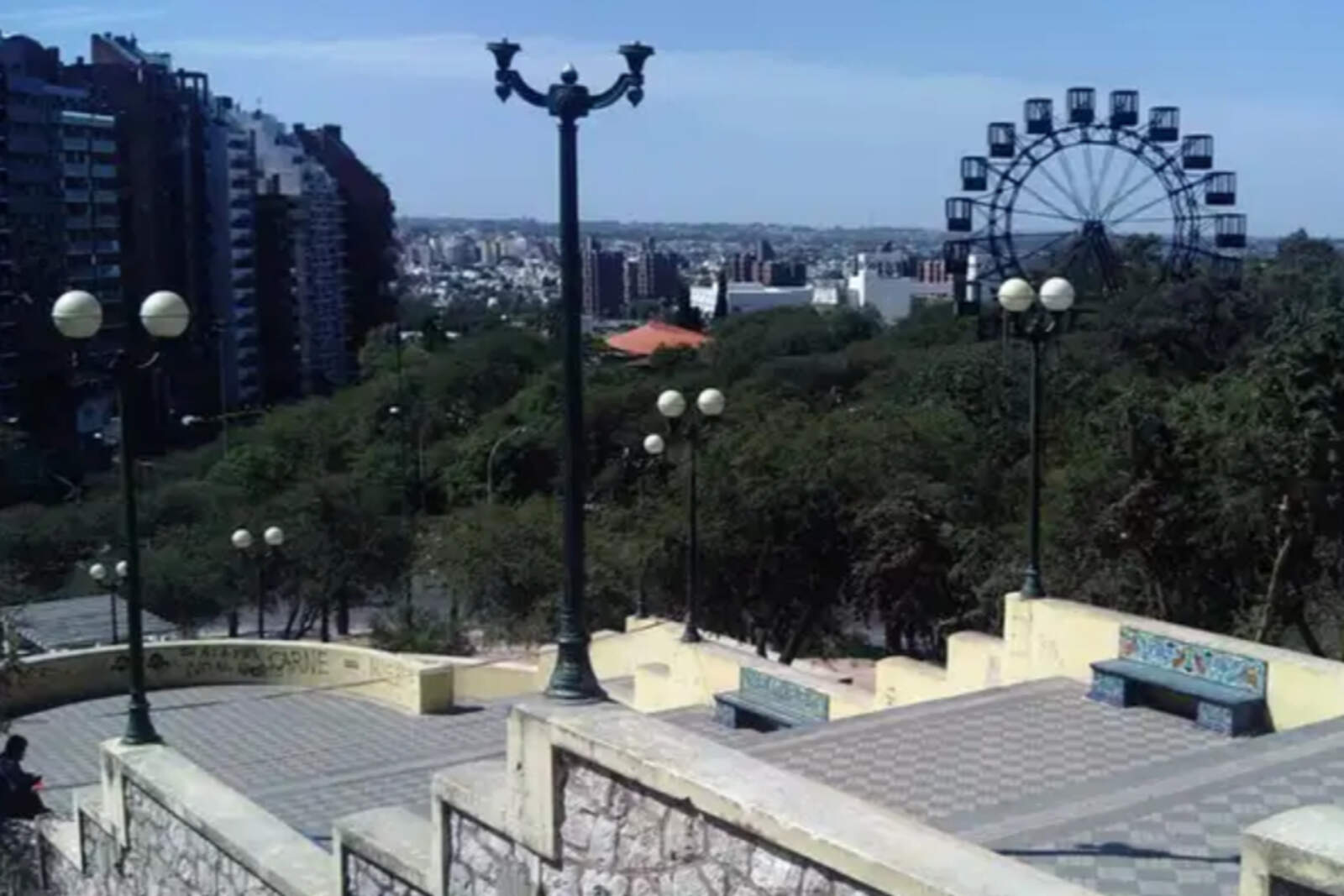
La propuesta busca replicar el esquema aplicado en el Parque Sarmiento
Pressure is mounting in the Council
This Thursday, the proposal will be discussed in committee along with other submissions related to parking regulation in the city. Although the ruling party keeps a simple majority, social and political pressure is increasing for the issue to move forward. More and more blocs are raising the need to limit or eliminate car guards, pointing out the risks of extortion and abuse against residents.
So far, Parque Sarmiento is the only successful experience of implementing the discreet municipal program, but the councilors are seeking to expand it progressively. The intention is to create a stable framework that prevents the return of informality in the streets where the practice is eradicated. This way, the goal is to offer security and predictability to those who park their vehicles in public spaces.
Although the legislative path will be complex, the growing political consensus reinforces the idea that this is a problem requiring essential solutions. The proliferation of car guards affects urban coexistence and creates undue pressure on drivers. Eradicating this illegal and extortionate system is seen as a necessary step toward a more orderly city.
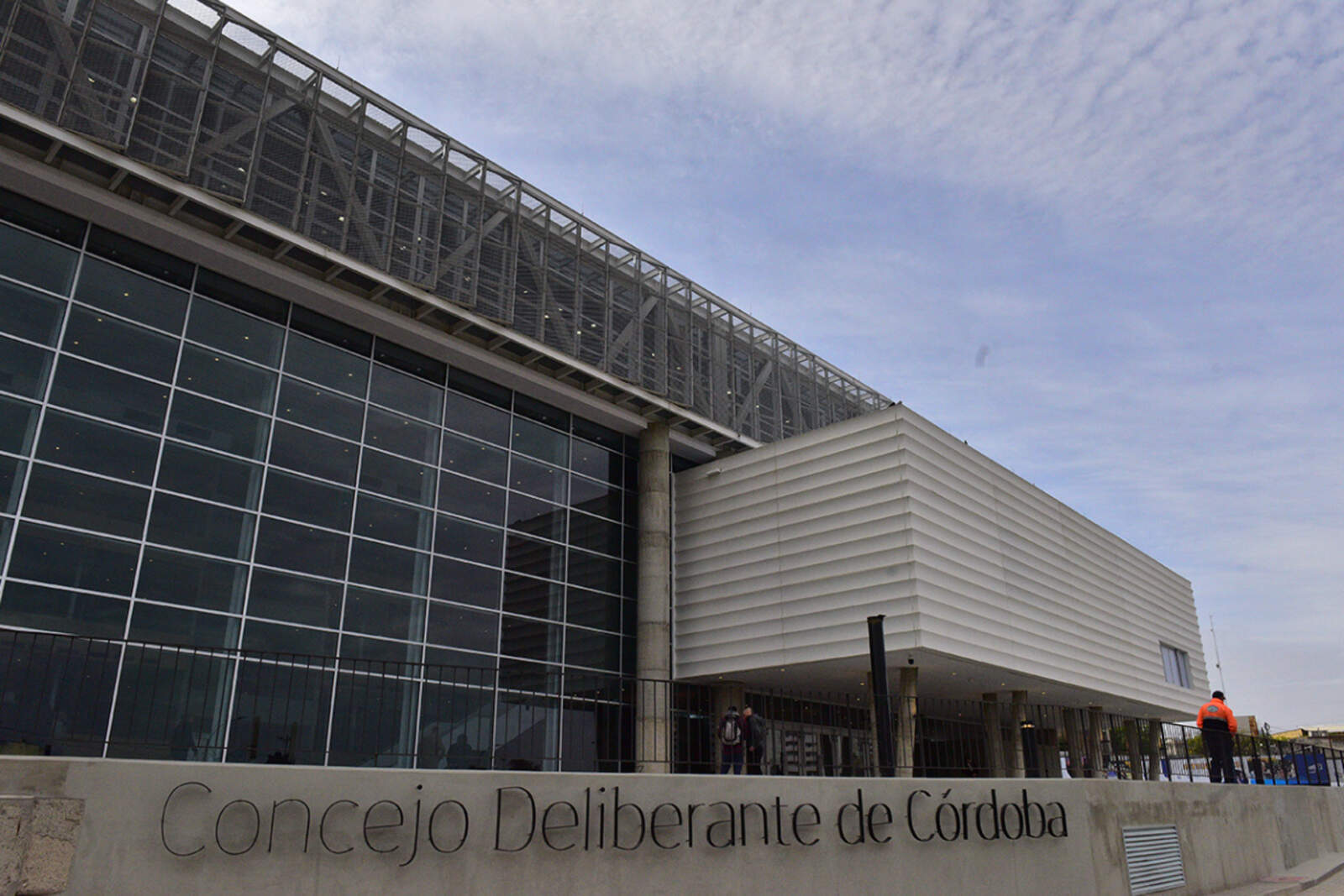
Este jueves la propuesta será tratada en comisión en el Concejo Deliberante
Path toward a new Coexistence Code
Meanwhile, the Council is preparing to discuss a comprehensive reform of the Coexistence Code, in force since 2015 and already considered outdated. The Executive's initiative includes controversial points such as car guards, windshield cleaners, and other issues related to the use of public space. The process provides for a period of 180 days to draft an opinion that will shape the new regulatory framework.
The project submitted by UCR is considered a transitional step in light of the urgency of the situation, but the councilors emphasize that the definitive solution will come with the new code. There, they will seek to permanently eradicate the role of car guards in Córdoba. If achieved, the city would move toward a scheme of greater clarity and predictability for residents and drivers.
The discussion about "naranjitas" is no longer limited to a single political bloc; it has become a central issue on the political agenda of the City Council. More and more sectors agree that it is not just about regulation, but about ending an illegal practice that affects citizens. The growing consensus sets a clear course: move toward a city without extortion or improper charges on its streets.