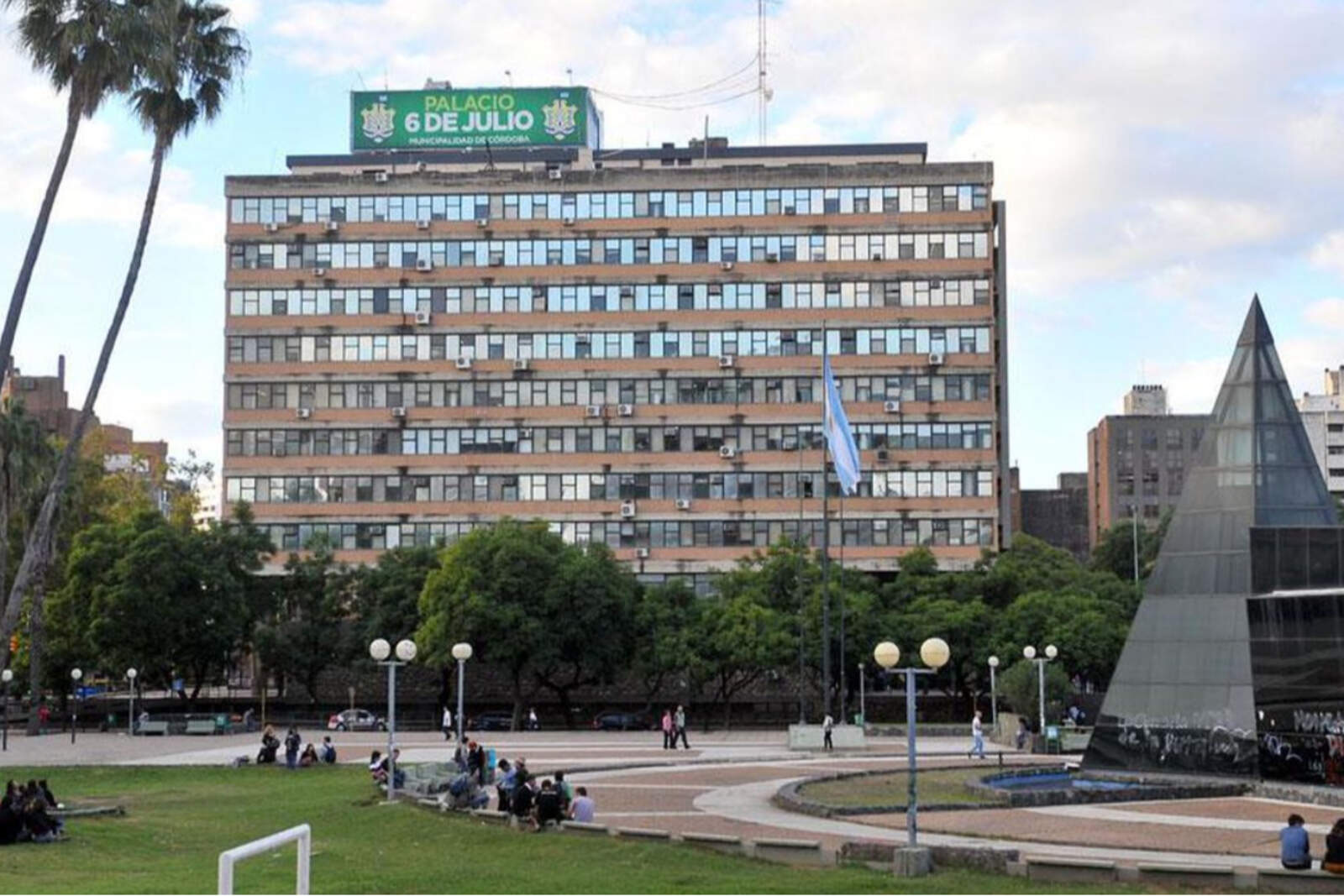
The mayor of Córdoba has implemented strict spending controls across all management areas in order to organize local finances. The directive is to reduce budget items that allow for adjustments without affecting essential social services, seeking tangible savings. The plan also aims to review the enormous personnel structure that for years has remained inflated and in constant growth.
Within that strategy, the implementation of a voluntary retirement and early retirement scheme is being considered, a measure already applied in the past. With this, the oversized municipality seeks to reduce at least one thousand positions from the current workforce, which today exceeds ten thousand employees. The possibility of applying this approach is seen as the most viable alternative given the adverse local financial scenario.
The initiative marks a shift in approach compared to the constant demand for national assistance as a resource to cover, among other things, municipal deficits. The current objective is to address debts with the municipality's own resources while also organizing internal spending. This course of action shows that the need for adjustment is beginning to be acknowledged instead of shifting responsibility to other levels of government.
Los cargos de la planta municipal hoy supera los diez mil agentes
A municipality constrained by its own debt
Revenue has been hit by declining consumption and local economic activity, which limits the availability of the municipality's own resources. In addition, there is the burden of a 150 million dollar bond issued by previous administrations, with maturities falling under this administration. The next payment amounts to 25 million dollars and must be settled within days.
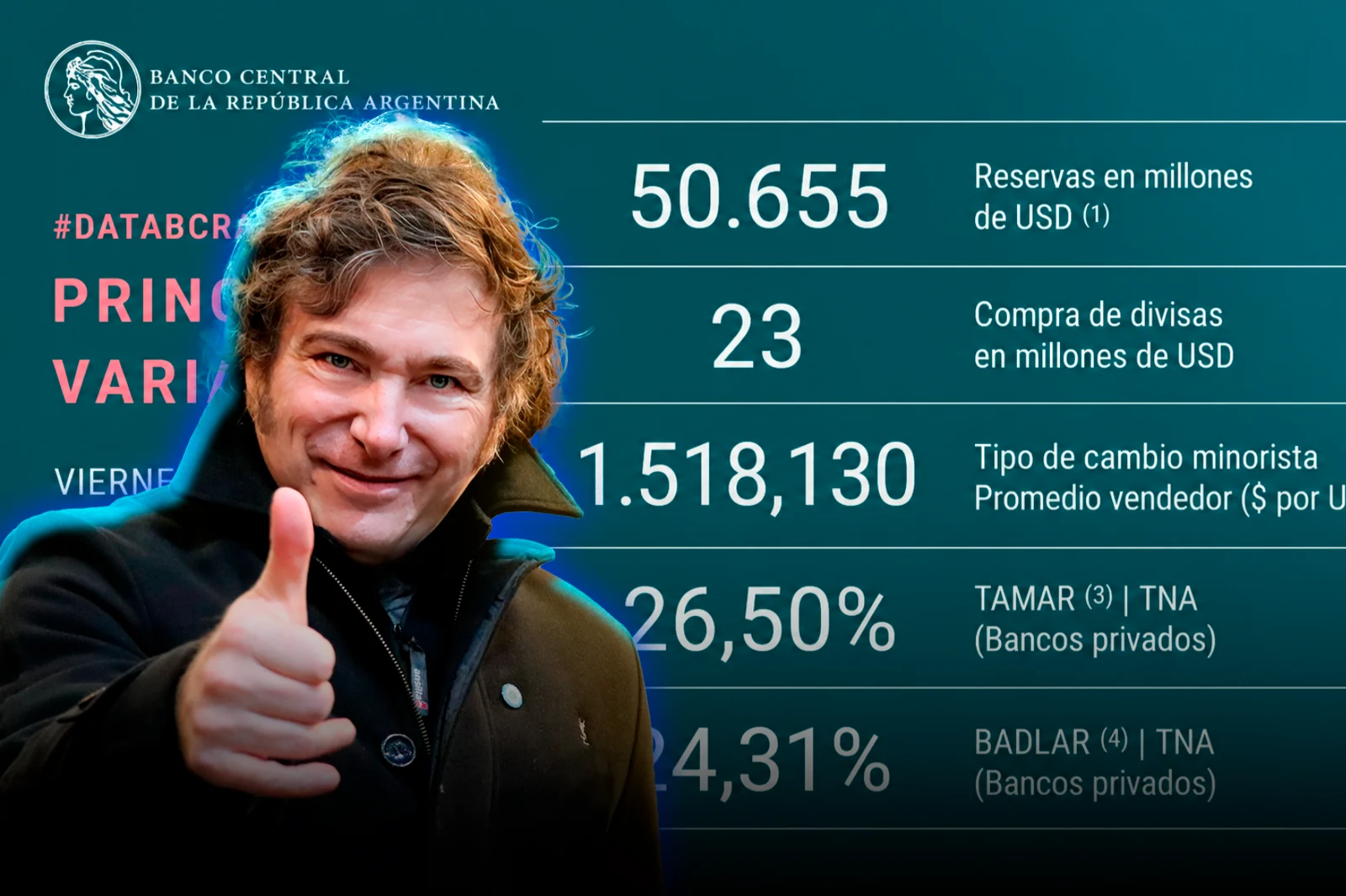
Historically, the municipality issued notes to cover these obligations, but today financial volatility prevents that alternative. The rate hike ordered by the Central Bank has increased the interest cost of those instruments. This forces the use of the municipality's own funds, even though the municipal treasury doesn't have abundant liquid resources.
The situation highlights the urgency of real order in the accounts, instead of continuing to finance expenses with expensive and risky debt. Even so, the municipality has more commitments to meet before the end of the year, which will require extreme fiscal discipline. The official plan is to try to recover liquidity in the future, relying on a prompt normalization of the financial market.
El municipio busca reducir al menos mil cargos de la planta actual
Adjustment as the only responsible way out
The oversized municipal structure is a problem that has persisted for years and has led to unsustainable spending. In addition to the formal payroll, there is a significant group of contract workers, self-employed contributors, and scholarship holders who irresponsibly swell the state workforce. Maintaining such an apparatus is unfeasible in a context without access to credit.
Voluntary retirements and early retirements appear as an option to reduce the workforce in an orderly manner. With more than one thousand employees eligible to participate, this alternative would provide some relief to the finances. The key will be to implement the mechanism efficiently and transparently to achieve real budget relief.
For the first time in a long while, the municipal leadership seems focused on reducing its own expenses rather than seeking assistance from the Nation. This shift responds to the obligation to acknowledge that the administration must be financed with what it generates and not with external transfers. The adjustment will not be easy, but it is the inevitable path to finally guarantee fiscal stability in Córdoba.