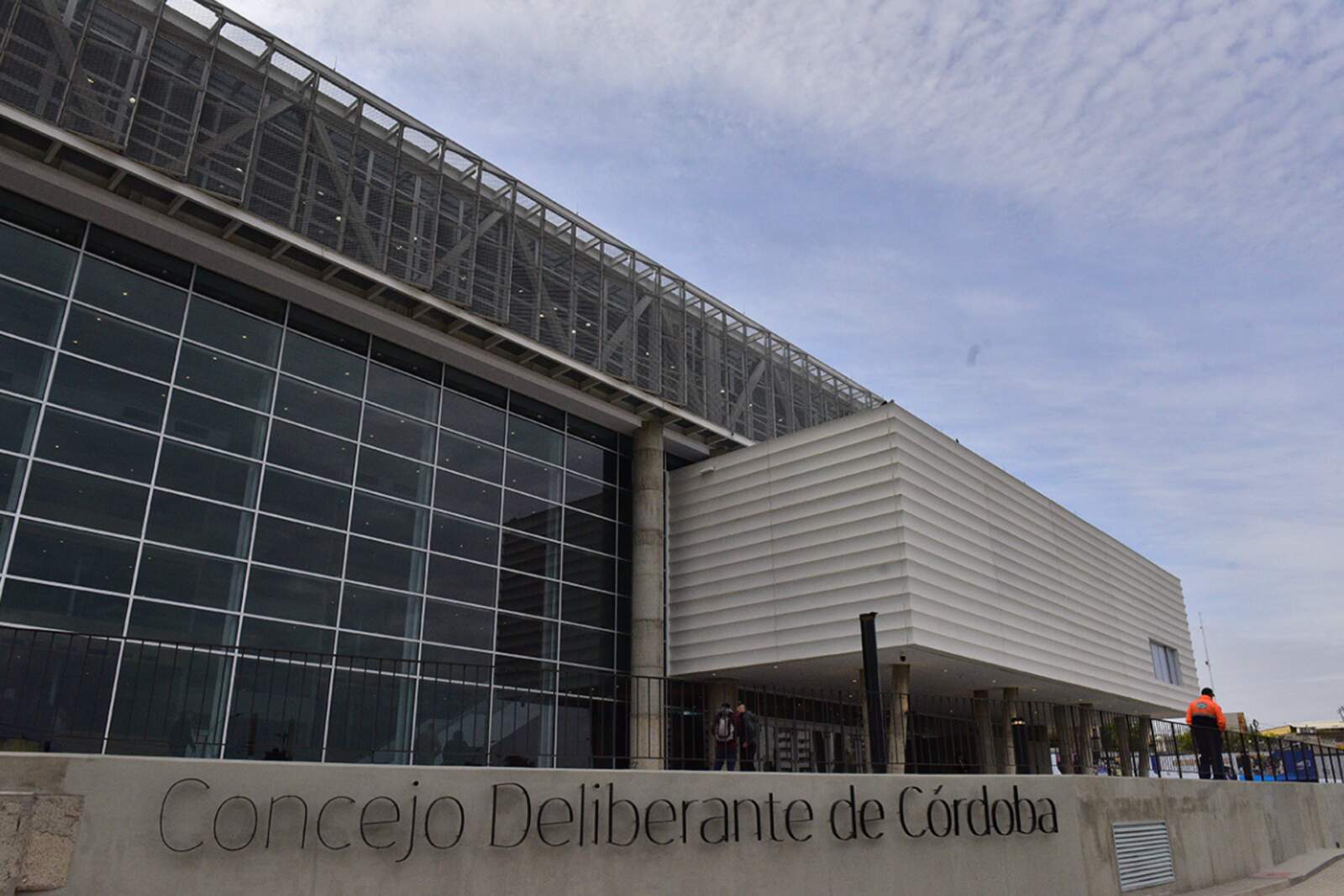
The Deliberative Council approved the ordinance regulating the use of transportation apps in Córdoba almost two months ago, but the Executive Branch still hasn't published it. The delay prevents the regulation from taking effect and leaves thousands of drivers and users in a legal limbo. Radical councilors demanded compliance with the City Charter and respect for the principle of publicity of government acts.
Opposition members warn that the lack of regulation not only undermines institutional transparency, but also halts a service that is already operating in practice in the city. They argue that the municipality can't continue to manage a democratically approved measure at its own discretion. "The ordinance was voted on and now it must be implemented," the councilors emphasized.
The text approved by the Council creates the category of "Private Public Interest Transportation Service" to regulate work through platforms. The regulation seeks to establish clear rules and a modern legal framework, although the Executive Branch's inaction neutralizes that progress. Córdoba thus continues with halfway legislation that benefits no one.
El Concejo Deliberante aprobó hace casi ya dos meses la ordenanza
Delays with an excuse that pretends to be an explanation
Municipal sources indicated that the delay is due to a technical review of the digital registration system before publication. According to reports, the Executive Branch may have invited companies to review administrative requirements, which extended the deadlines. However, no specific date was provided for the regulation to take effect.
The lack of definition is causing discontent among drivers who operate with apps, who are demanding legal certainty and stable working conditions. In practice, the service continues to operate without legal backing, which facilitates arbitrary inspections and inconsistent penalties. Meanwhile, users lack minimum guarantees in the event of potential conflicts.
The municipality finds itself under opposing pressures: on one side, platforms demanding clear rules; on the other, the taxi union seeking to maintain its historic privileges. The Executive Branch's passivity exacerbates the tension and leaves the city trapped between bureaucracy and extortionate union pressure.Manifestación de taxistas y remiseros cordobeses en contra de Uber
The taxi union, in its judicial labyrinth
The Taxi Drivers' Union tried to block the ordinance through an injunction, but the courts rejected the filing as inadmissible. The Administrative Litigation Chamber considered that there was no direct harm or current damage to justify that course of action. The ruling exposed the lack of solid legal grounds behind the union's unusual claim.
The union alleges "unfair competition," although it omits that platforms create flexible jobs and expand options for users. Taxi drivers, on the other hand, seek to maintain a monopoly based on an obsolete model that no longer meets current needs. They insist on blocking innovation instead of adapting to a more dynamic market.
Furthermore, claims of precarious working conditions sound contradictory when the sector itself keeps many drivers under informal arrangements. Apps offer transparency in fares, trip traceability, and service evaluation, while the traditional system still fails to guarantee minimum quality standards.
Héctor Miguel “Rulo” Arias, Secretario General del Sindicato Peones de Taxi de Córdoba
A city paralyzed by the lack of political will
The ordinance set clear requirements for drivers and vehicles, including insurance, vehicle inspections, and professional licenses. It even incorporated control mechanisms such as a visible QR code in cars to validate authorization. However, none of this can be implemented as long as the Executive Branch keeps the regulation locked away.
The lack of publication not only delays a modern regulatory framework, but also perpetuates informality and state discretion. Córdoba needs predictability, not administrative excuses that conceal political decisions. Each day that passes without regulation, the municipality validates a legal vacuum that harms everyone.
The challenge now is to determine whether the city will move toward an open, transparent, and controlled transportation system, or remain captive to corporate interests. Meanwhile, users continue to choose apps, showing that modernity advances even when politics resists.