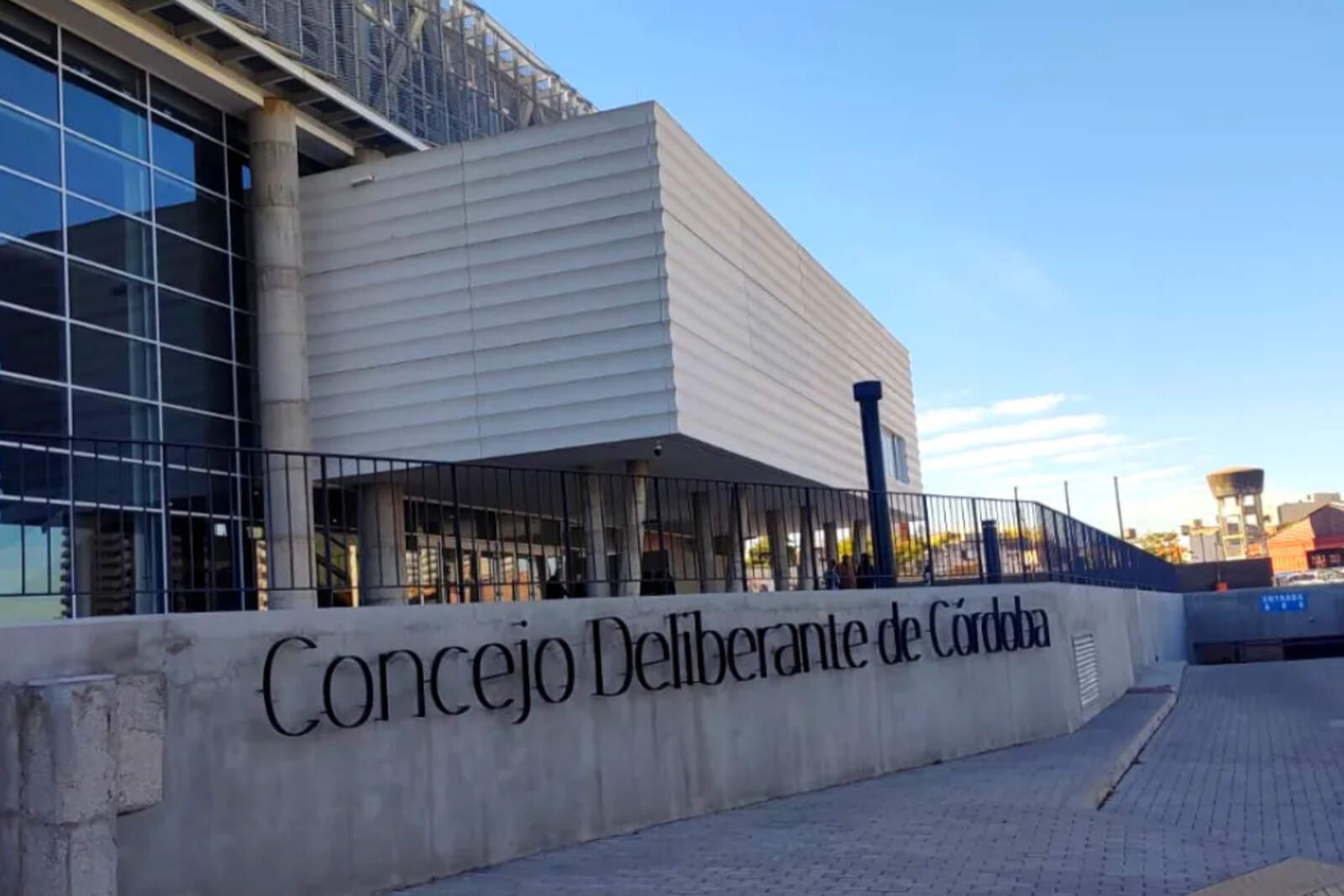
The Deliberative Council of Córdoba has begun to consider a draft ordinance that proposes tax incentives for strategic productive activities, seeking to boost private investment and promote genuine employment. The initiative proposes staggered tax exemptions and reductions that could be maintained for up to 10 years, applicable to industry, construction, tourism, and health. There is a clear shift from previous policies, since the priority now is to generate sustainable growth instead of relying on tax increases that overburden taxpayers.
The project contemplates benefits for individuals and companies that invest within the municipal jurisdiction, including micro, small, medium, and large enterprises. Each investment will have advantages proportional to its magnitude, calculated in Municipal Economic Units (UEM), which allows the scale of benefits to be adjusted according to the capacity of each venture. This measure allows local competitiveness to be consolidated and Córdoba's economy to be strengthened without resorting to rate increases that have historically saturated the municipal workforce.
The program provides for a comprehensive approach that combines tax reduction with incentives for private investment, guaranteeing long-term stability. The proposal also incorporates an environmental bonus: if at least 10 percent of the investment is allocated to renewable energy, additional benefits are added that strengthen sustainability. The initiative reflects a paradigm shift from previous years, when resources were concentrated on maintaining bloated bureaucratic structures instead of promoting real economic development.
Daniel Passerini, intendente de Córdoba
Concrete incentives and opportunities for industry
The industrial regime offers tax stability for 10 years to companies that invest in technology, equipment, machinery, or infrastructure from 2024 onwards. The staggered reductions range from 40 to 15 percent depending on the duration, with greater benefits for those who start new activities. The measure aims to reverse decades of dependence on high taxes that hindered investment and to enable sustained and predictable industrial growth.
The minimum investments vary by size, from 5,000 UEM for microenterprises to 476,000 UEM for large ones, with a bonus for investment in renewables. This design seeks to ensure that the incentives truly boost productive economic activity and are not diluted in unnecessary administrative structures. The strategy aims to generate employment and increase competitiveness, with clear rules and predictability for those who bet on Córdoba in the long term.
The benefits also include special reductions in commercial, industrial, and service contributions, with annual scaling that ensures continuity and allows investments to be planned in the medium and long term. The combination of tax stability and environmental incentives represents a deep change from previous policies. Previously, resources were allocated to maintaining an oversized municipal workforce with no direct impact on the city's economic growth.
El régimen industrial ofrece estabilidad fiscal por 10 años
Urban development, tourism, and health with tax benefits
The program also includes incentives for urban developments, from housing complexes with more than ten units to cultural centers, hotels, and medical centers, with minimum investments defined by project scale. Reductions in the Construction Works Rate allow payment in interest-free installments, encouraging resources to be directed to the effective execution of projects. This modality seeks to correct years of tax overburden that affected private construction and limited sustainable urban expansion.
In tourism, exemptions and discounts are established for hotels and event services, with staggered benefits that can last up to ten years. The measure aims to strengthen the sector, increase the arrival of visitors, and diversify the local economy, offering tax security for those who invest in Córdoba. The approach reflects the need to shift resources toward productive development and not maintain municipal structures that have historically consumed funds without tangible economic returns for the city.
In health, clinics and laboratories that make significant investments will be able to access exemptions and staggered reductions in Commerce and Industry contributions. This encourages the expansion of medical capacity and improves the city's health infrastructure, driving quality jobs and specialized services. The policy demonstrates that prioritizing incentives for productive investment is more effective than increasing rates on taxpayers to support unnecessary administrative expenses.
En turismo se establecen exenciones y descuentos para hoteles y servicios de eventos
Control, validity, and business commitment
The Secretariat of Public Administration and Human Capital will be the enforcement authority, requiring each project to demonstrate at least 30 percent physical progress for final approval. The initial validity will be five years, extendable, and companies must fulfill commitments, allow audits, and keep their sworn statements up to date. This regulation seeks to ensure that the incentives have a real impact on the local economy and are not diluted in bloated bureaucratic structures, consolidating a predictable and sustainable growth model.
Failure to fulfill commitments may result in loss of benefits and fines of up to 50% of the exempted amount, and delinquent debtors will be excluded. In addition, the Executive may extend the regime to new strategic sectors, always with ratification by the Deliberative Council. The initiative repeals previous regulations and proposes a comprehensive scheme that prioritizes investment, employment, and greater competitiveness in the face of tax pressure.
The PPAP establishes a framework that encourages productive investment, strengthens the local economy, and promotes employment without resorting to unnecessary tax increases. The measure aims for strategic sectors to grow with predictability and stability, generating multiplier effects in industry, tourism, construction, and health. The approach seeks for Córdoba to prosper through incentives and lower tax burdens instead of relying on high rates that supported costly and inefficient structures.