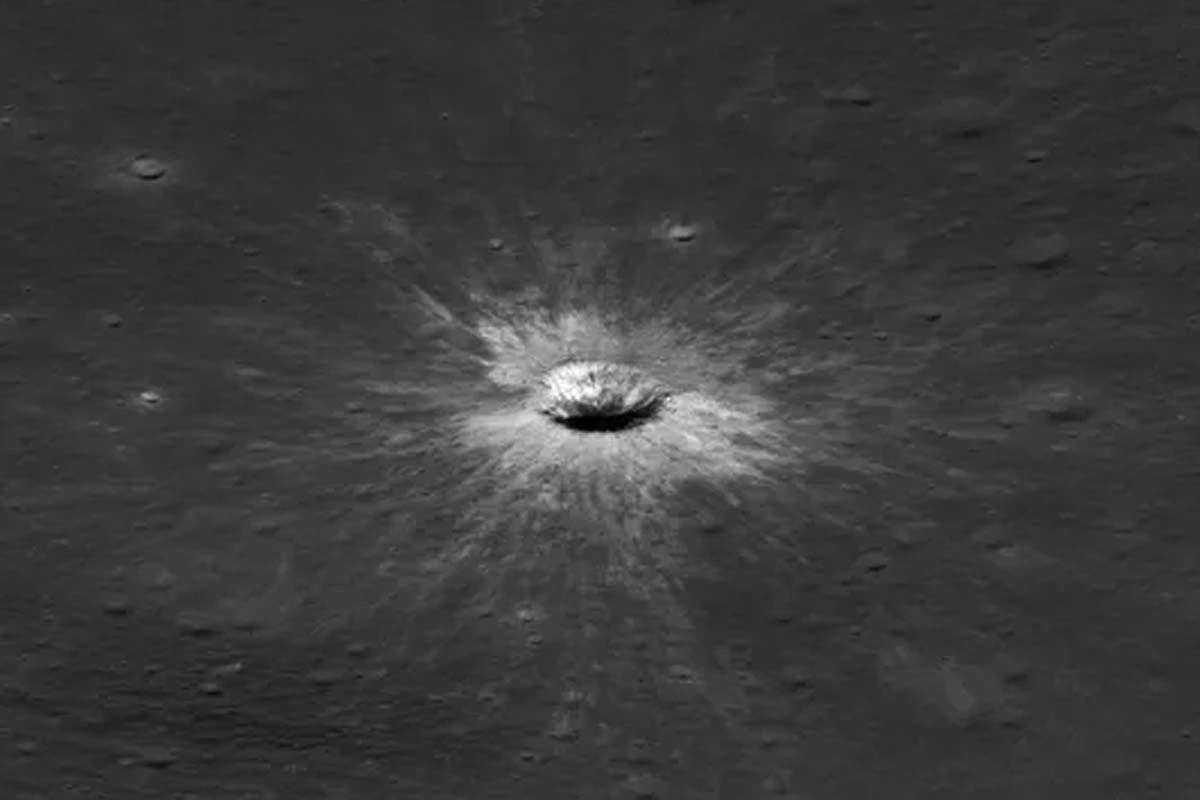
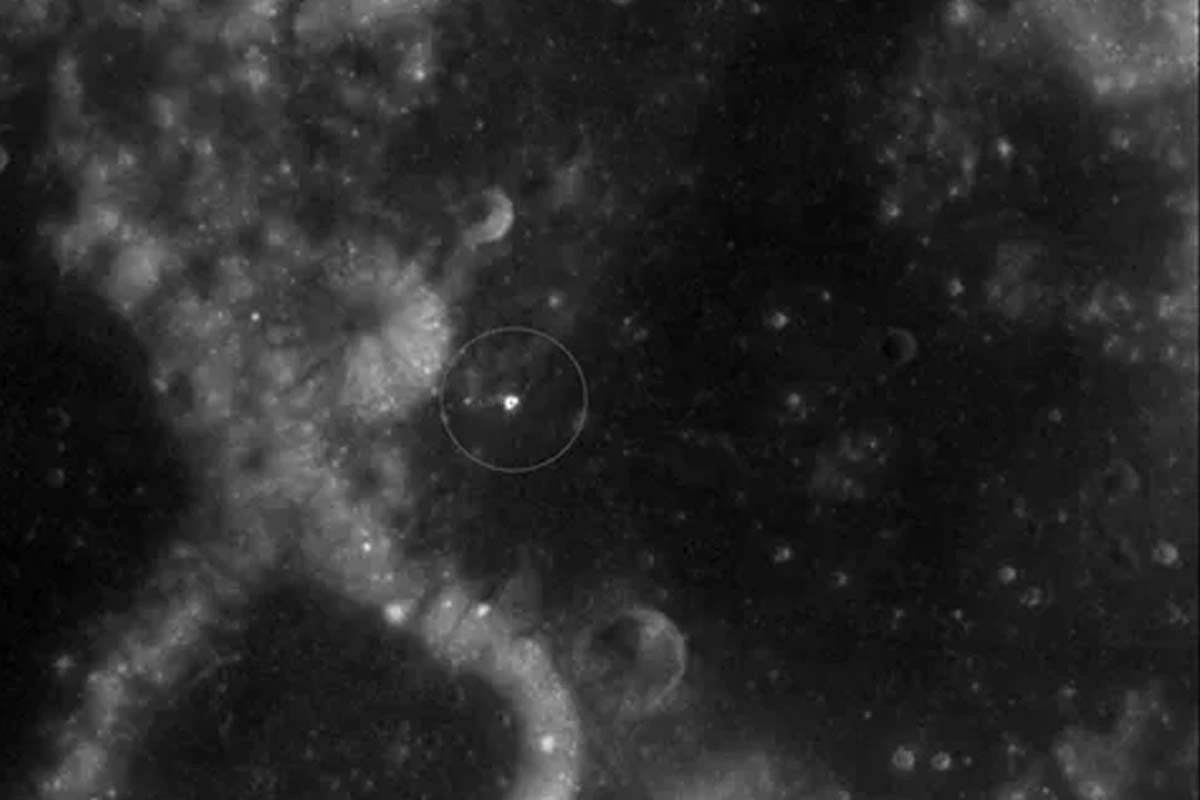
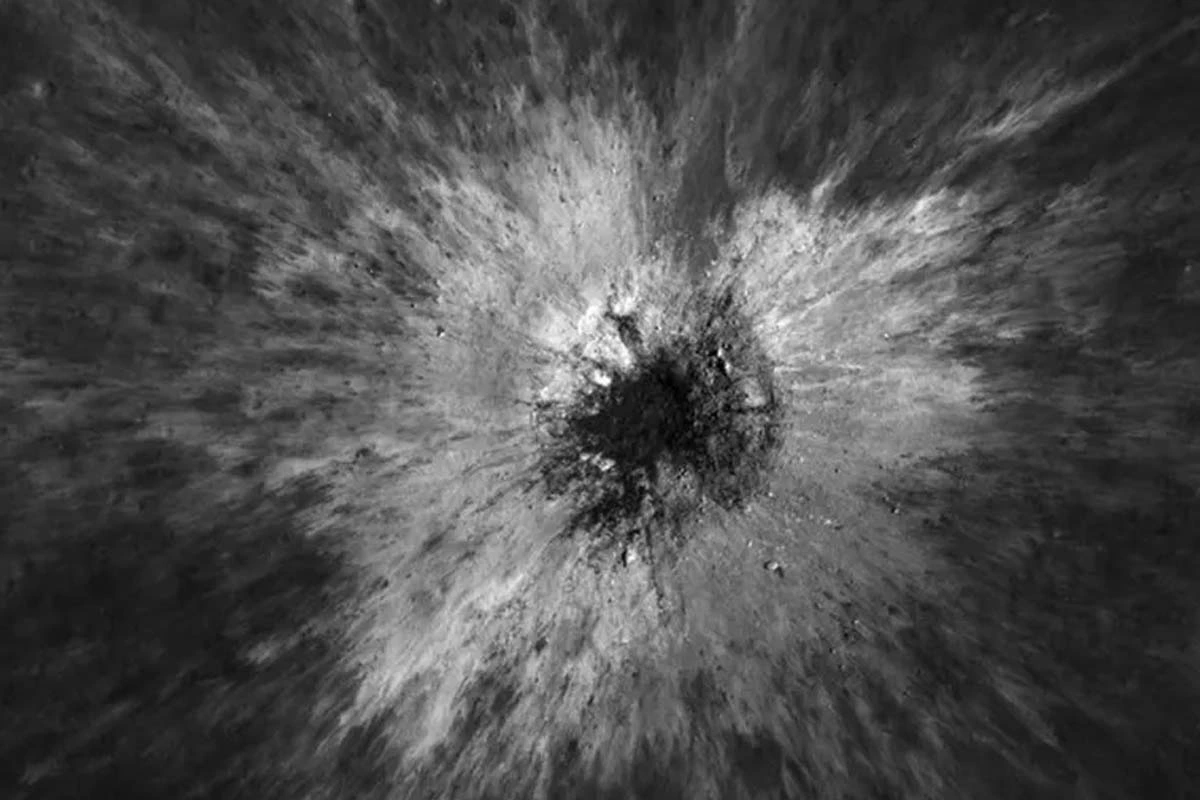
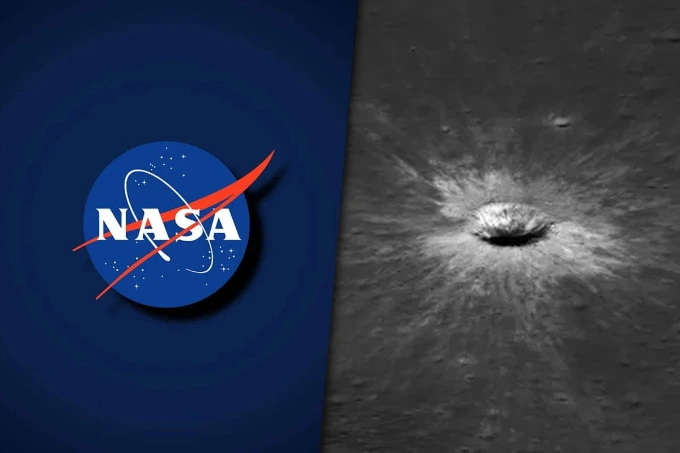
The NASA identified a new crater on the Moon that has become the largest recent impact detected so far.
The McGetchin crater formed in 2024 and its dimensions allow for the analysis of how an impact modifies the lunar surface.
What is the new crater discovered by NASA on the Moon like
Why the McGetchin crater is an exceptional finding
An impact capable of producing a crater of this size is expected on the Moon approximately once every century.
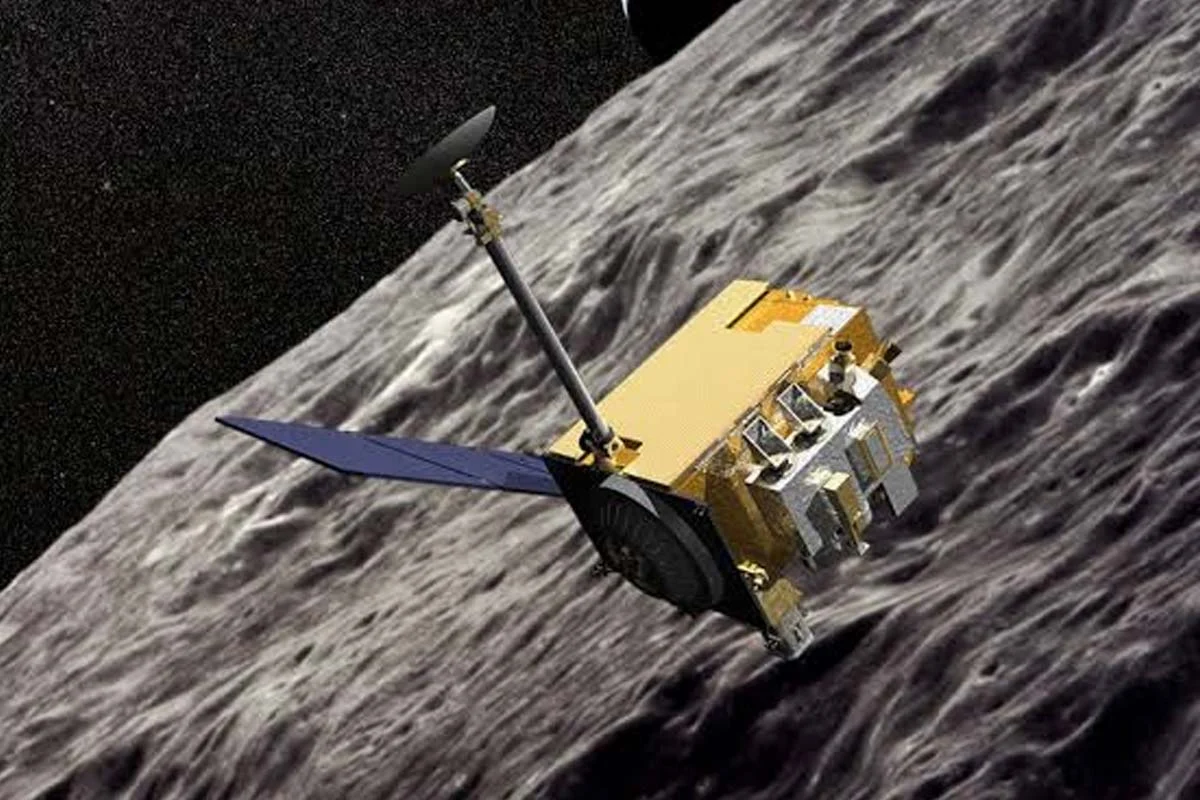
Tyler Powell, the lead author of one of the studies, explained to Space.com that the finding is exceptional because it occurred during the LRO mission.
Why the McGetchin Crater is an Exceptional Discovery
"A crater of this size is expected to form on the Moon only once every century", Powell noted.
The LRO mission has been observing the Moon for over 17 years. This record allowed for comparisons of images and measurements of the area before and after the impact.
What scientists found around the lunar crater
The impact not only produced the crater. Observations from the LROC camera showed an extensive layer of ejected material around the structure.
What did scientists find around the lunar crater
Additionally, the Diviner Lunar Radiometer instrument detected a thermal anomaly extending about 7 kilometers.
During the lunar night, that region exhibits temperatures between 8 and 9 kelvins lower than the surrounding surface, equivalent to about 14 to 16 degrees Fahrenheit.
Diviner Lunar Radiometer
Scientists attribute the thermal difference to modifications in the upper layers of the lunar regolith. The impact would have altered and loosened the soil, creating a looser layer with a lower capacity to retain heat.
What studies analyzed the impact of the McGetchin crater
The results were published on September 16 in the journal Science Advances through two studies.
One of the studies, led by Mark Robinson from Intuitive Machines, analyzes the crater and the material ejected during the impact.
What studies analyzed the impact of the McGetchin crater
The second study analyzes a broader region around the crater using data obtained by the Diviner instrument from the LRO mission.
Together, both studies allow for the examination of an impact site with observations obtained before and after the event.
NASA
Why the McGetchin crater may be useful for future lunar missions
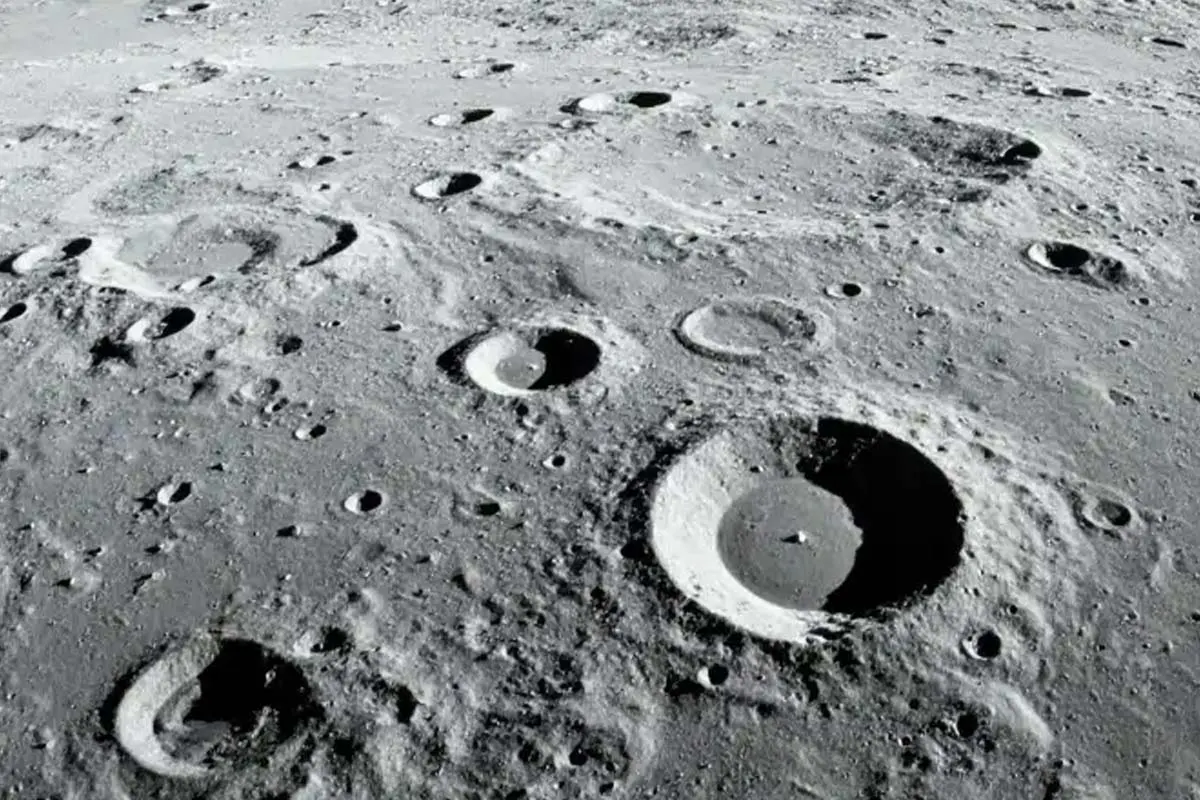
Most craters on the Moon are ancient and have been modified by subsequent impacts and wear from space.
Due to its recent and practically intact state, McGetchin offers a reference point for studying how craters form and evolve.

</strong> mission.</p><p>According to information released by <em>Space.com</em>, the agency considers McGetchin to be the largest recently formed impact crater identified so far.</p><figure class=)