The institution will offer its retail clients the possibility to trade with Bitcoin, Ethereum, and other cryptocurrencies
Compartir:
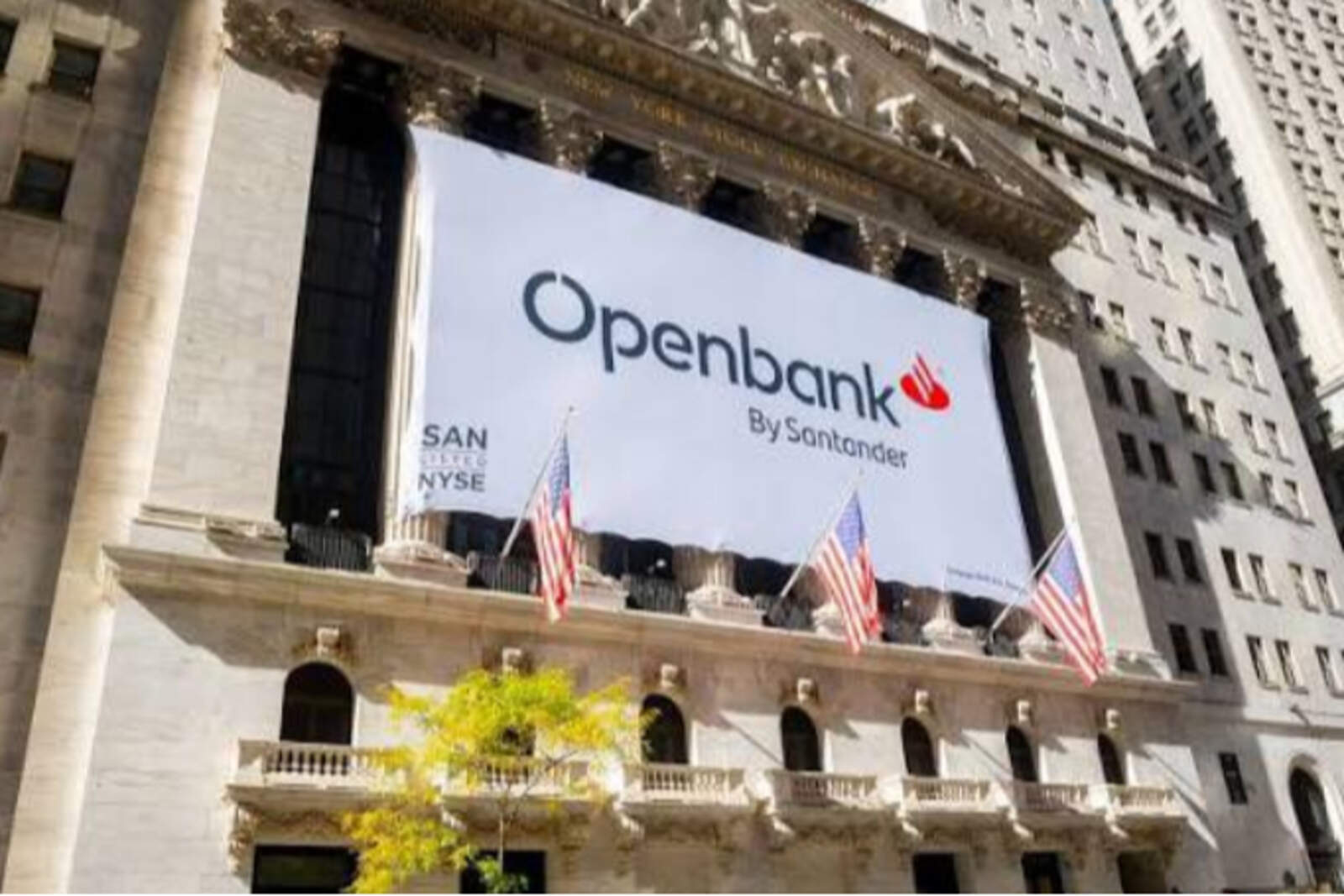
Banco Santander, through its digital subsidiary Openbank, announced the launch of a cryptocurrency trading service for retail clients in Germany. The move marks a new step by one of Europe's largest financial institutions toward the integration of digital assets within its service offering.
The company reported that, starting this Tuesday, users will be able to buy and sell Bitcoin (BTC), Ether (ETH), Litecoin (LTC), Polygon (MATIC), and Cardano (ADA). Additionally, it stated that the list of available tokens will expand in the coming months, which will allow clients to access an increasingly diverse portfolio.
Germany as a test market
Openbank, filial de Santander, habilita el comercio de criptomonedas en Alemania
The decision to launch the service in Germany is not a coincidence. The country has positioned itself as one of the most relevant markets in terms of crypto regulation and adoption within Europe. With this initiative, Santander seeks to assess the response of the German public and, if successful, scale the proposal to other strategic markets on the continent.
The move also responds to a growing trend: more and more traditional banks are enabling services linked to cryptocurrencies to meet user demand and avoid losing ground to specialized exchanges.
Expansion of traditional banking into cryptocurrencies
Santander's entry through Openbank reflects how traditional financial institutions are advancing in the crypto sector. Until a few years ago, banks showed reluctance toward this market due to volatility and regulatory challenges. However, the consolidation of regulatory frameworks in the European Union, such as the MiCA regulation, opens the door to a scenario of greater legal certainty.
Openbank, filial de Santander, habilita el comercio de criptomonedas en Alemania
With this launch, Openbank joins the wave of institutions seeking to offer their clients digital financial products within already known and regulated banking platforms, reducing friction compared to independent exchanges.
Next steps
Santander confirmed that the number of available cryptocurrencies will grow progressively, which suggests a long-term strategy to position itself as a competitive player within digital crypto banking. This expansion could include tokens linked to DeFi projects or stablecoins, always under the current regulatory framework in Europe.