The local administration is being forced to adjust the size of the municipality and spending in response to the new political climate
Nuevo
Agregar La Derecha Diario en
Compartir:
The Municipality of Córdoba will proceed to carry out a rushed reorganization in response to the resounding victory of La Libertad Avanza in the legislative elections. The ballot boxes revealed deep discontent with uncontrolled public spending and left no room for an administration that had been increasing structures without visible results. In this new scenario, adjustment is no longer an ideological option but has become an obligation dictated by social demand.
The ruling party knows that the vote in the Capital was a direct message and that any attempt to maintain an oversized organizational chart would be politically unviable. For this reason, the leadership of Palacio 6 de Julio began to accelerate administrative cuts that, until weeks ago, were not even under consideration. Meanwhile, discontent persists among management teams who question the lack of prior planning and the improvised nature of the fiscal shift.
Alignment with provincial policy is not out of conviction but out of necessity because the drop in revenue and social pressure have left the mayor's office with no room to maneuver. The measures include a reduction of departments, stricter control over expenditures, and the freezing of expenses that previously expanded without criteria. The administration now seeks to demonstrate efficiency in a context where residents demand austerity and transparency.
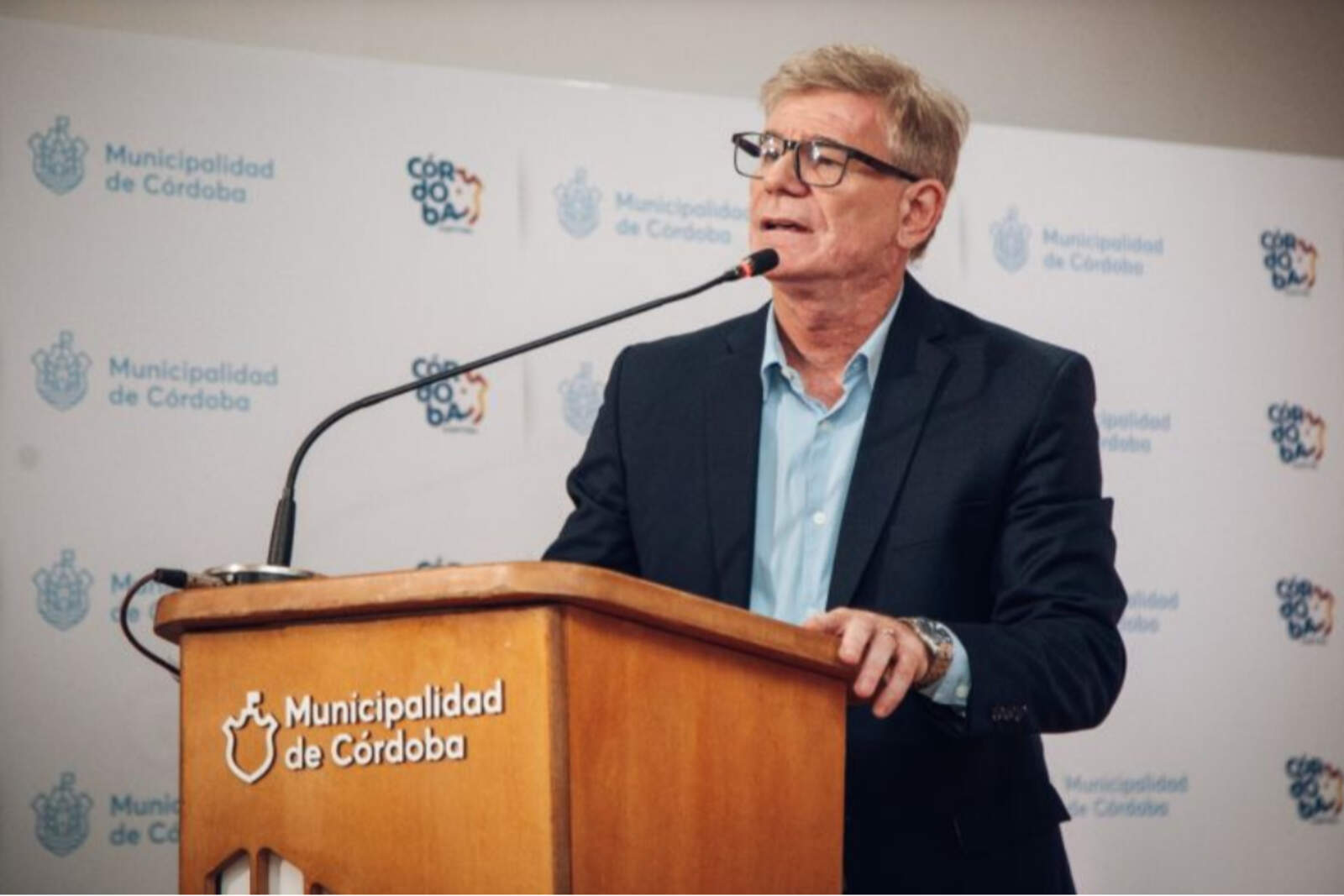
Sergio Lorenzatti, secretario de Administración Pública y Capital Humano de la ciudad
Internal cuts and new oversight
Among the first cuts, allocations for renting properties used as offices were reduced, in an attempt to demonstrate a greater commitment to fiscal discipline. However, the most significant change is focused on internal restructuring, where several sub-secretariats will be downgraded to general directorates, and other general directorates will be reduced to the level of simple directorates. The review especially affects second-tier positions, which will now be notified that the period of administrative expansion has come to an end.
Within the cabinet, Sergio Lorenzatti was put in charge of operational organization and supported the decision to limit activities, travel, and expenses related to protocol events. His intervention gained strength during the temporary absence of the mayor and was consolidated as a control mechanism aimed at preventing new budgetary deviations. Under his supervision, four main areas were defined to concentrate management: street sweeping, cleaning, lighting, and pothole repair.
The adjustment process is also linked to the recent financial operation that enabled the placement of $70,000 million in debt securities in the local system, the maximum authorized. The support from banks and investors was interpreted as a sign of confidence in the city's financial compliance capacity, although spending will still need to be reduced. Rating agencies highlighted the improvement in operating margins but emphasized the need to maintain spending rationalization to avoid future imbalances.
The reorganization will be a prolonged process, and changes will not be limited to the initial announcements, because the political climate has made it clear that society will not tolerate unnecessary expenses. In this context, the main challenge will be to maintain essential services such as Health, Education, and Environment without repeating the administrative overload that characterized previous periods. The combination of citizen pressure, resource cuts, and a new political landscape forces the Municipality to adjust every decision with a level of scrutiny that did not exist before.