The former director of Military Intelligence under Hugo Chávez's regime, who was also involved in Nicolás Maduro's administration, is being held in the United States
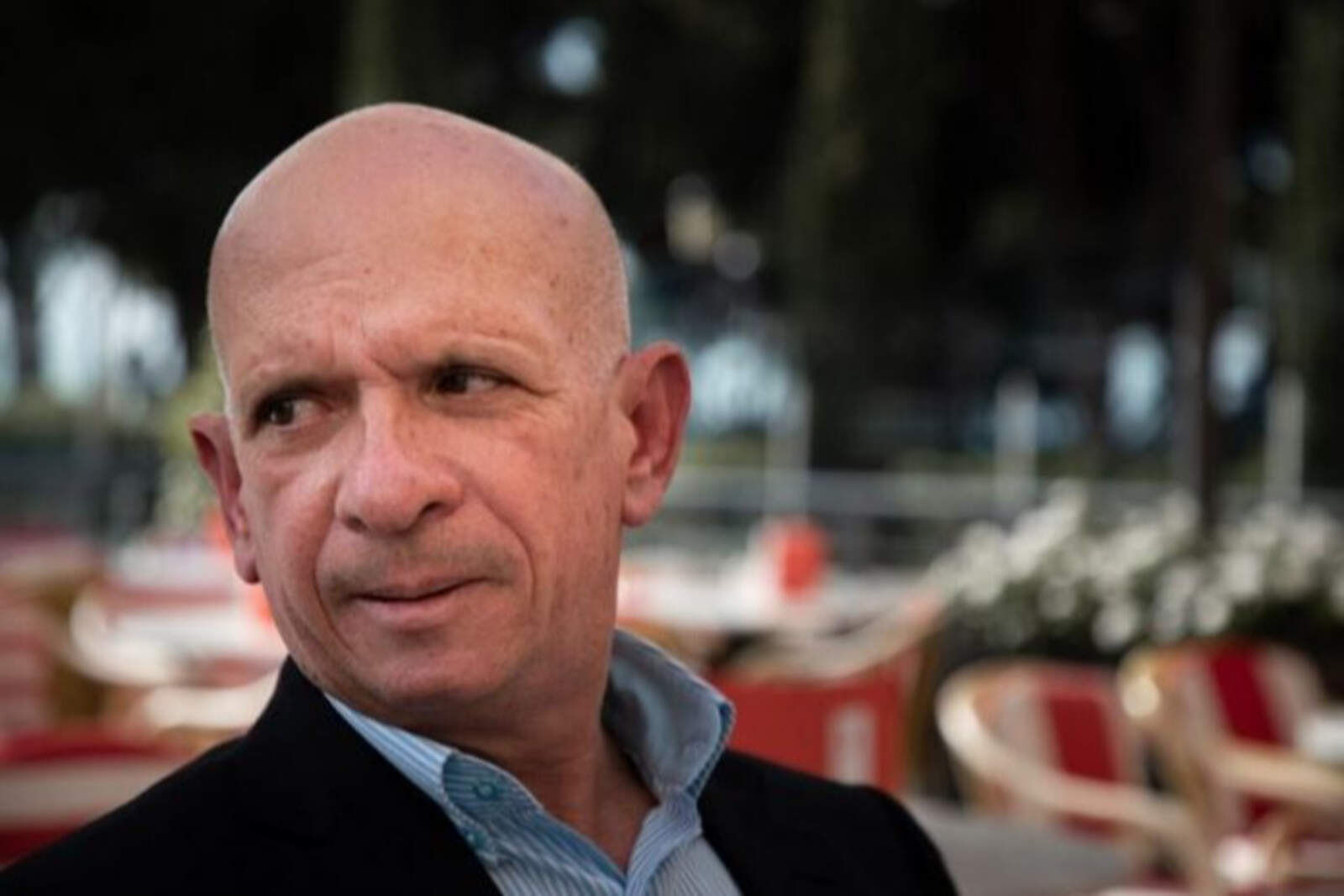
The recent publication of a letter written by former Venezuelan general Hugo Carvajal Barrios from a prison in the United States has once again placed the role of Chavismo in the technological architecture of the Venezuelan electoral system under scrutiny.
The letter, addressed to U.S. President Donald Trump, accuses the Nicolás Maduro regime of having developed a digital network designed to alter electoral results both inside and outside Venezuela.
Carvajal, former director of Military Intelligence and a key figure in the Chavista security apparatus for years, keeps that the regime built a parallel technological electoral system, which he describes as a "Chavista digital service", whose purpose would have been to ensure the government's permanence in power through computerized manipulation of voting.
El ex director de Inteligencia de Maduro envió una carta a Trump en la que reveló detalles de la narco dictadura venezolana
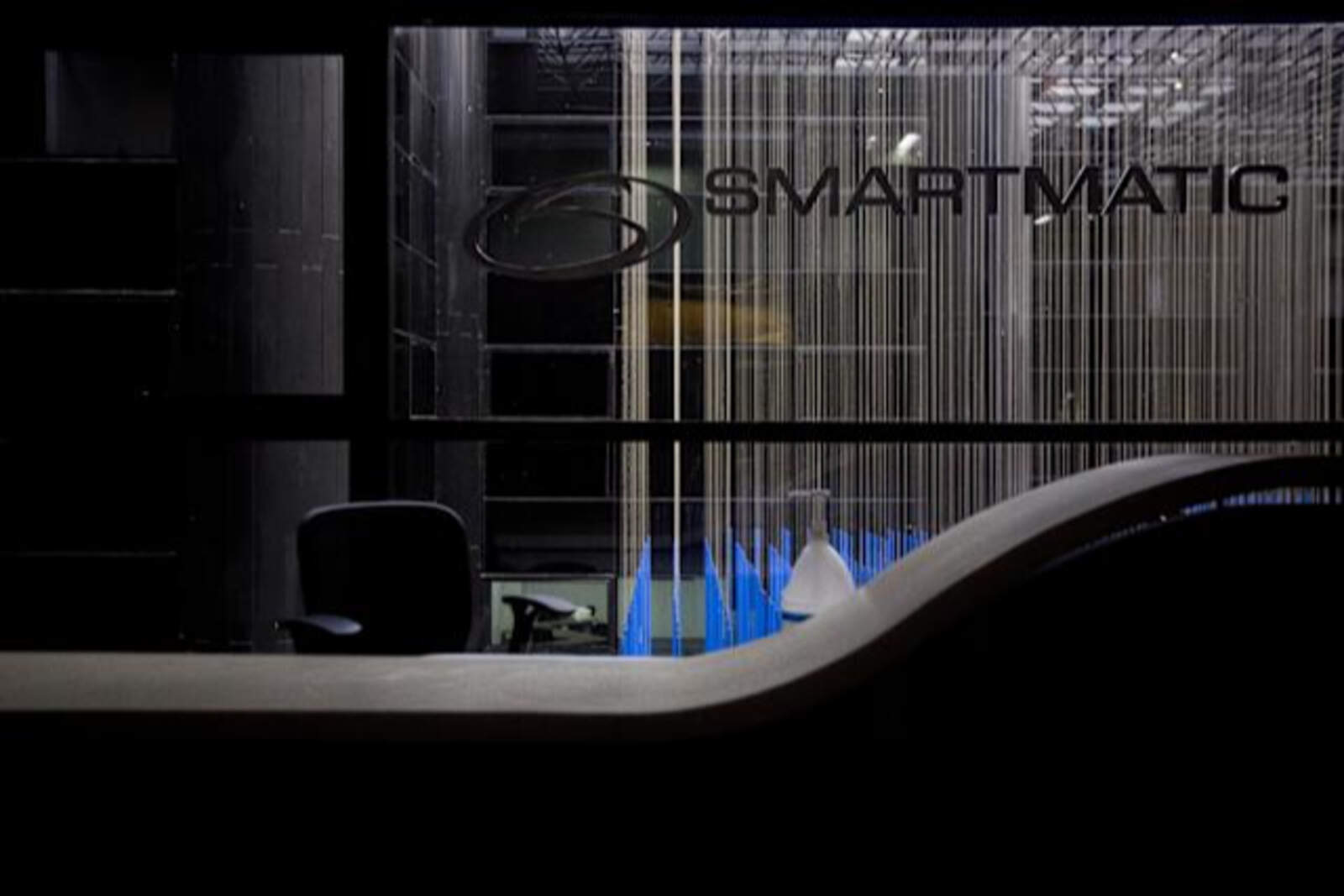
At the center of these accusationshe places Smartmatic, a company founded in Caracas in 2000 and known for providing voting machines and electoral software.
According to Carvajal, Smartmatic did not emerge as a neutral technology company but as a digital tool designed from its inception to serve Chavismo's political project.
He states that the company became a strategic piece of the regime, to the point of transforming into a technical instrument intended to guarantee that "the regime would remain in power forever."
The former general asserts that he himself had direct involvement in the digital structure of the electoral system, having appointed the head of information technology at the National Electoral Council (CNE), who, he claims, reported directly to him.
Carvajal señaló a Smartmatic como una compañía creada a base de la corrupción
That connection, according to his account, has allowed for the supervision, intervention, and control of key components of the technological platform used during electoral processes.
Carvajal keeps that the Smartmatic system "can be altered" and that this capability would have been used not only in Venezuela but also abroad. He claims that regime operatives maintain relationships with electoral officials and voting machine companies in other countries, including the United States, where the technology would have been exported.
The allegation adds to years of questions about the independence and transparency of the CNE, repeatedly accused by the Venezuelan opposition and international organizations of operating under the direct control of the Executive.
Previous reports have pointed to practices such as state advantage, unequal access to public resources, and a lack of transparency in the transmission and auditing of electoral data. Carvajal's letter adds a new element to these concerns: the existence of a technological infrastructure manipulated from within, designed to tamper with results and consolidate the regime's political control.
El régimen de Maduro ha exportado el sistema de conteo de votos a muchos países, incluido Estados Unidos