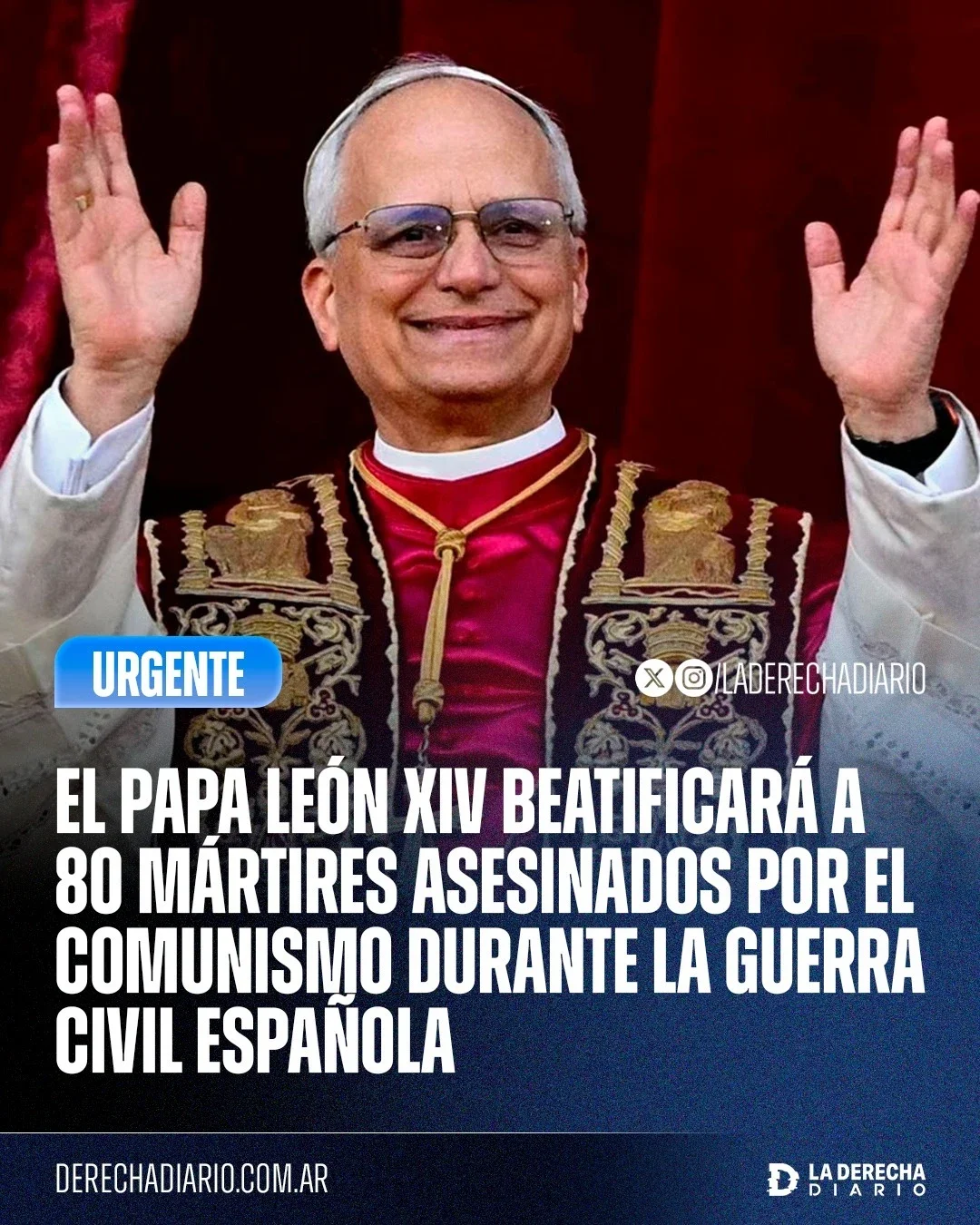
The Vatican confirmed that, by decision of Pope Leo XIV, the beatification of 80 martyrs murdered during the Spanish Civil War will proceed, in the context of the persecution driven by communist sectors in the late 1930s.
The measure seeks to recognize those who were executed for publicly holding their Catholic faith amid a climate of political and religious violence that left thousands of victims among the faithful, religious, and members of the clergy.
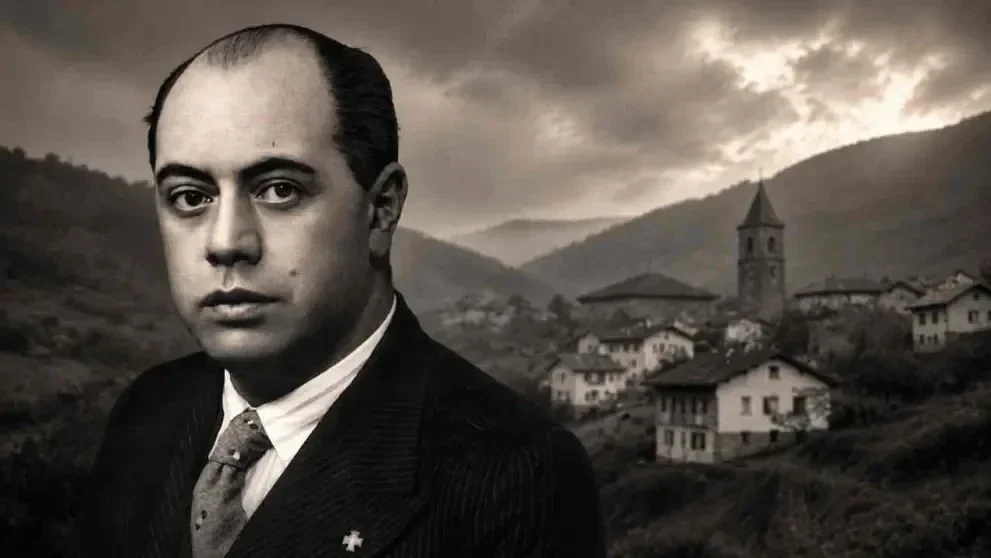
The official signing of the decree by the pontiff validates a extensive list of individuals considered martyrs, among which the case of the Navarrese Manuel Arizcun Moreno stands out. His figure appears as one of the most representative examples of the repression suffered by those who defended Christian values during that period.
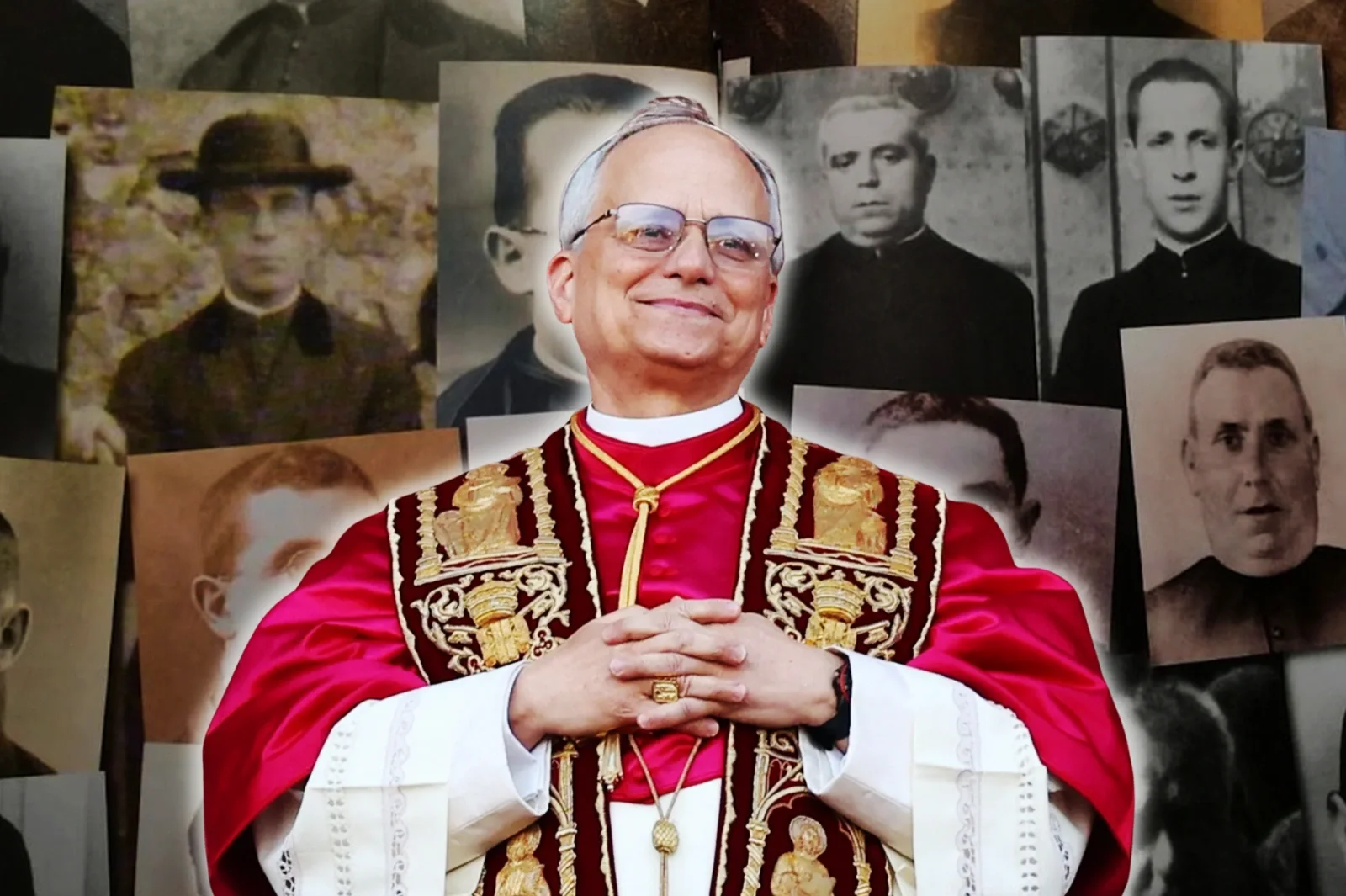
Pope Leo XIV.
The Story of Manuel Arizcun Moreno
Arizcun was born in the Baztán Valley, into a family with deep religious convictions. He was the fifth child and from a young age maintained a strong connection with the Catholic faith, which marked his personal development and social participation. After completing his education in Madrid and Toledo, he married Pilar Zozaya Iturralde in 1918, with whom he had nine children.
At the end of 1928, the family moved to Pamplona, where Arizcun solidified his commitment to the local community. His active participation in the parish of San Agustín and in Catholic Action led him to take on a central role within the organization, eventually serving as diocesan president in Navarre.
During those years, he positioned himself as a reference in the defense of religious education against the reforms promoted by the republican regime. From his position, he organized activities, campaigns, and meetings aimed at strengthening Christian formation among young people.
Manuel Arizcun Moreno.
His public exposure and leadership within the Catholic sphere placed him in a risky situation at the onset of the conflict in 1936.
The outbreak of the war found him outside Navarre, in the Cantabrian town of Suances, where he was on vacation with his family. Despite knowing the danger his profile entailed, he chose not to hide and to stay with his loved ones. Weeks later, he was arrested by militiamen from the Popular Front.
After his arrest, he refused to renounce his religious beliefs. As a consequence, he was murdered on November 13, 1936 in an episode of extreme violence: he was thrown into the sea tied up in the bay of Santander. His death is part of the episodes of repression against believers during the war.
After the conflict ended, his body was identified and transferred in 1939 to Pamplona, where he was buried in the parish of San Agustín, a place with which he had been deeply connected in life.
The canonization process advanced at the diocesan level under the supervision of the Bishop of Santander, Manuel Sánchez Monge. With the final approval of the Pope, a key instance is completed that officially recognizes the martyrdom of Arizcun and the other 79 cases included in the decree.