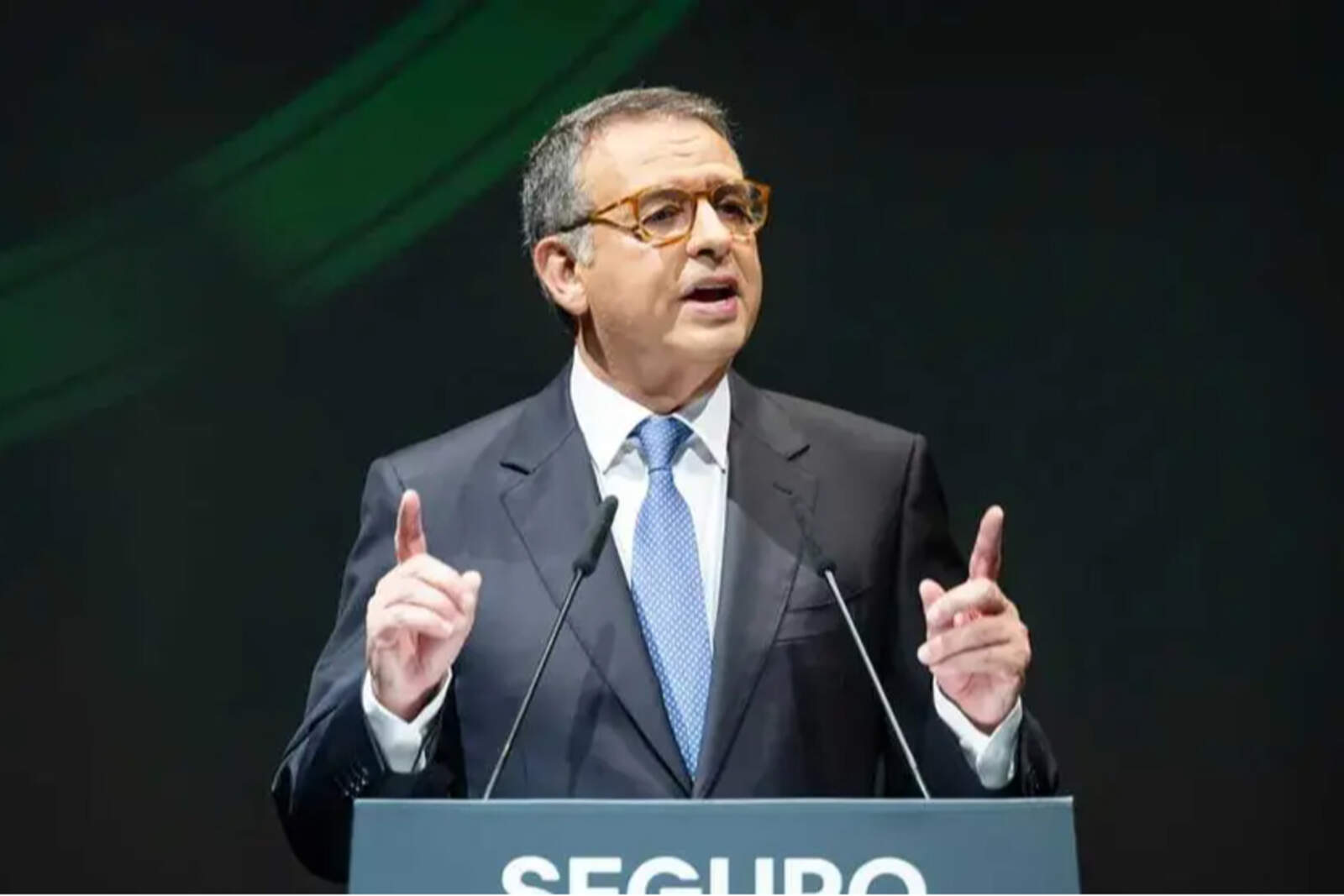
Socialist António José Seguro achieved an important victory for the return of the Socialist Party in the Mediterranean country
Compartir:
Socialist Antonio José Seguro was elected president of Portugal this Sunday with a broad victory in the second round of the election, in which he obtained about 66% of the votes compared to 34% for the right-wing candidate André Ventura.
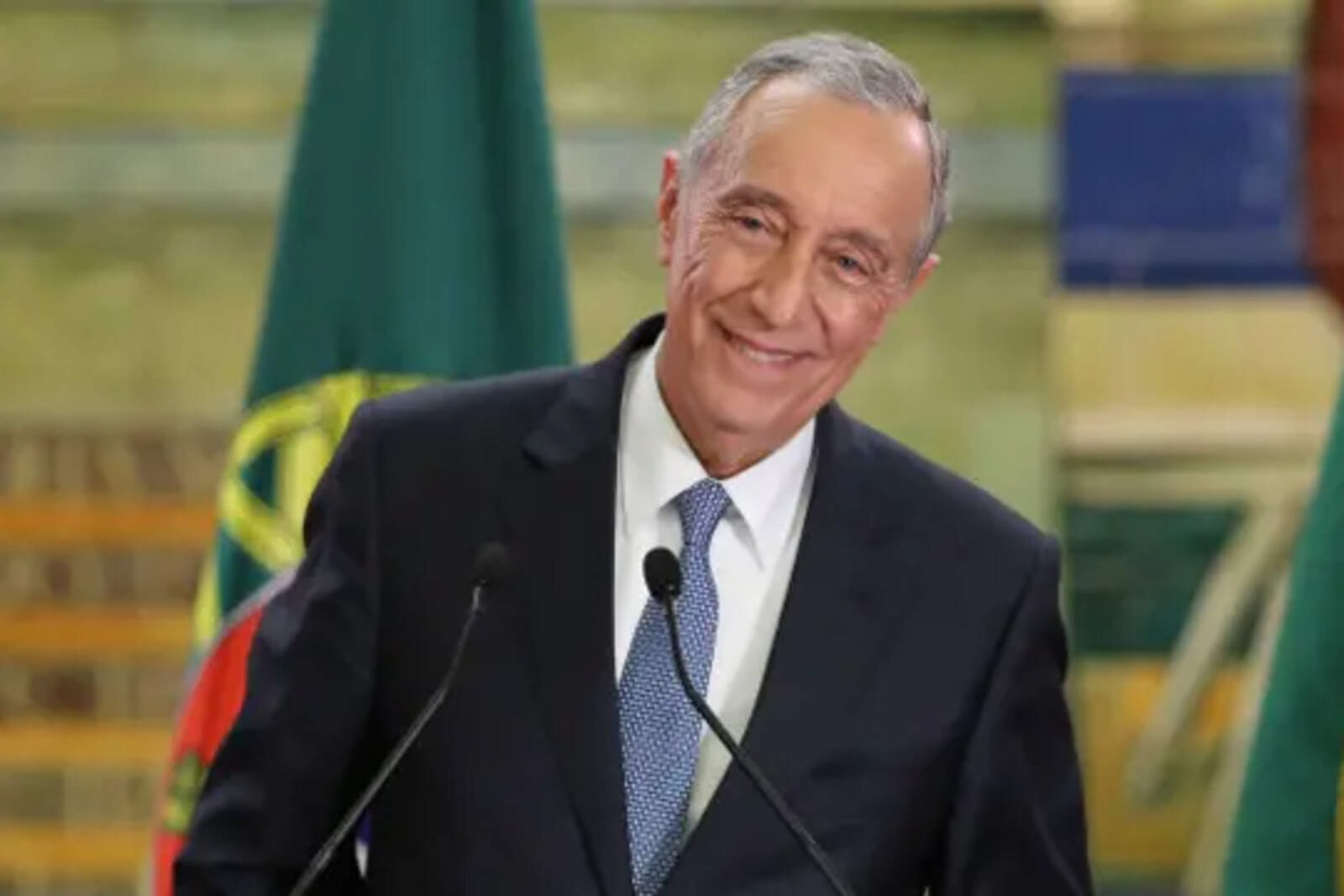
With this result, Seguro becomes the first socialist head of state in 20 years and succeeds conservative Marcelo Rebelo de Sousa after two consecutive terms.
The election day was marked by high turnout, similar to that recorded in the first round on January 18, despite the severe storms that affected the country in the preceding days and that forced the postponement of voting in several municipalities affected by flooding.
With 95% of the votes counted, the results confirmed the forecasts of the exit polls, which had already pointed to a clear victory for the socialist candidate.
Seguro logró la victoria sobre el conservador André Ventura
Seguro celebrated the result as a reaffirmation of democratic values. "The response of the Portuguese people, their commitment to freedom, democracy, and the country's future, fills me with pride," he declared after the results became known.
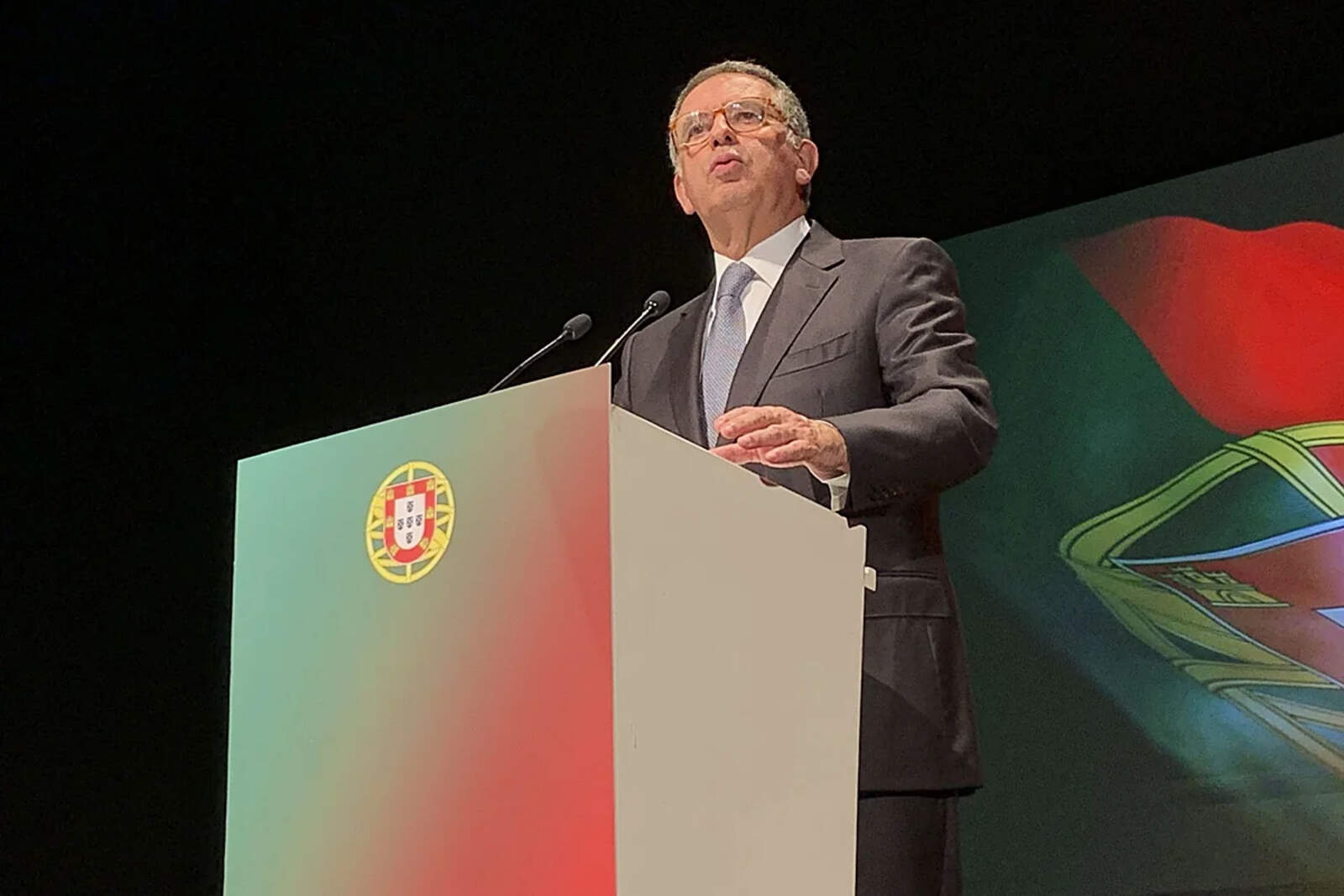
During the campaign, the president-elect presented himself as the representative of a "modern and moderate" left, capable of acting as an institutional mediator and of avoiding political crises in a context of growing parliamentary fragmentation.
One of the most questioned points is the ambiguity of the president-elect on key issues. During the campaign, Seguro warned that he would not enact the labor reform proposed by the minority Government without the prior agreement of the unions, which consider the initiative harmful to workers' rights.
Seguro reemplazará a Marcelo Rubelo de Sousa
However, he avoided speaking clearly about the content of the reform, which has been interpreted by his critics as a calculated stance so as not to make either the Executive or the social partners uncomfortable.
The mostly ceremonial nature of the Portuguese presidency doesn't eliminate doubts about the role that Seguro will play in the coming years. Although the office has significant powers, such as the legislative veto or the dissolution of Parliament, some observers warn that the broad-based support he has received could condition his independence and limit his ability to act as a neutral arbiter between political forces.
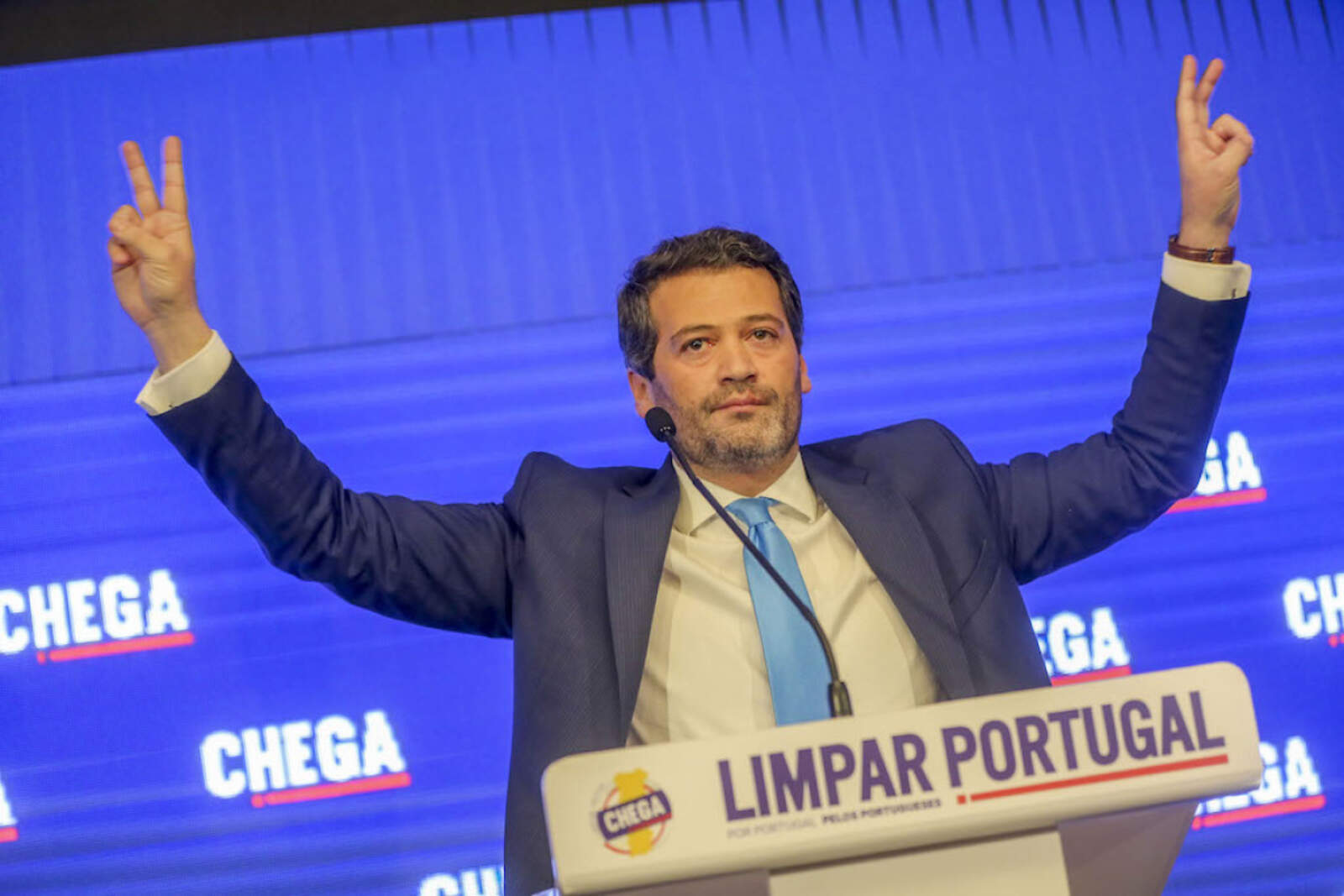
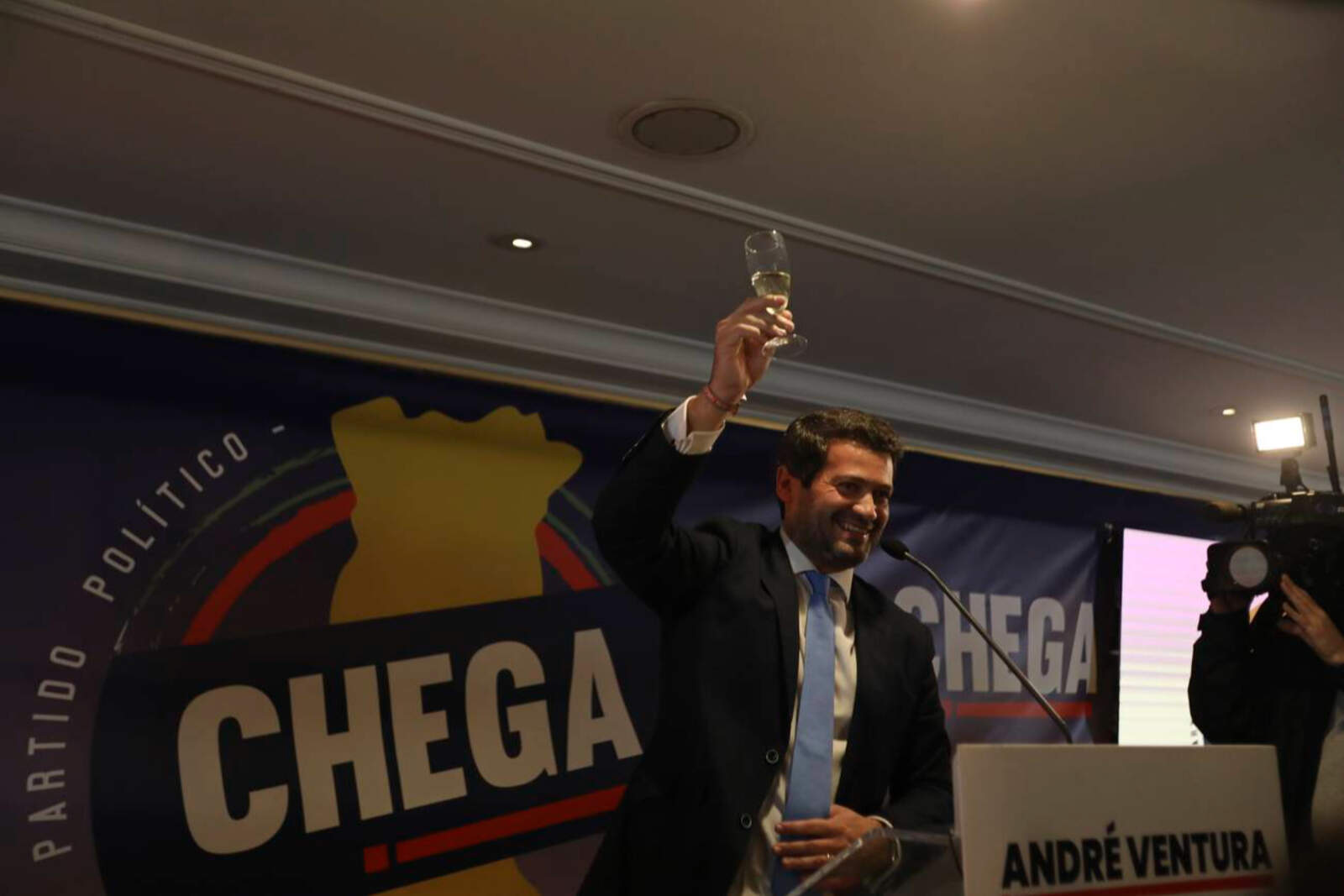
Despite the defeat, André Ventura emerged strengthened from the electoral process. His 34% of the votes represents a significant advance compared to the results obtained by Chega in the last legislative elections and confirms the growth of the right in Portugal. Ventura himself asserted that the result consolidates his leadership within the conservative space and anticipates a more polarized political scenario.
In this context, Antonio José Seguro's arrival to the presidency takes place with questionable electoral legitimacy, and also with major challenges.
Seguro advirtió que no promulgará la reforma laboral sin apoyo de los sindicatos
The growth of Chega
The growth of Chega and of its leader, André Ventura, has been consolidated as one of the most relevant elements of the current Portuguese political landscape. Although defeated in the second round of the presidential elections, Ventura obtained 34% of the votes, a result that confirms the consolidation of the right in a country where it had historically had only a marginal presence.
Chega has managed to capitalize on social discontent and the wear and tear of traditional parties with an openly anti-establishment discourse. Its message focuses on issues such as illegal immigration, insecurity, corruption, and frontal criticism of political elites, appealing to sectors of the electorate that feel excluded from the political and economic system. This strategy has allowed the party to gain visibility and normalize its presence in the public debate.
The figure of André Ventura has been key in this rise. A former sports commentator with a very prominent media profile, Ventura has built leadership based on confrontation and polarization. His direct and provocative style has allowed him to mobilize new voters and to establish himself as the main reference point of the Portuguese right.
Chega's advance had already been reflected in the legislative elections, where the party became the second parliamentary force, only behind the center-right alliance in Government.
Chega ha tenido un crecimiento exponencial en los últimos años, enfocándose en temas como la inmigración ilegal y la inseguridad