President Javier Milei's ideas are becoming increasingly entrenched in Córdoba.
Not only because of the resounding victory of La Libertad Avanza in the October 26 elections.
This week it was revealed that four municipalities in the province decided to eliminate a fee that served no other purpose than to take money from the people.
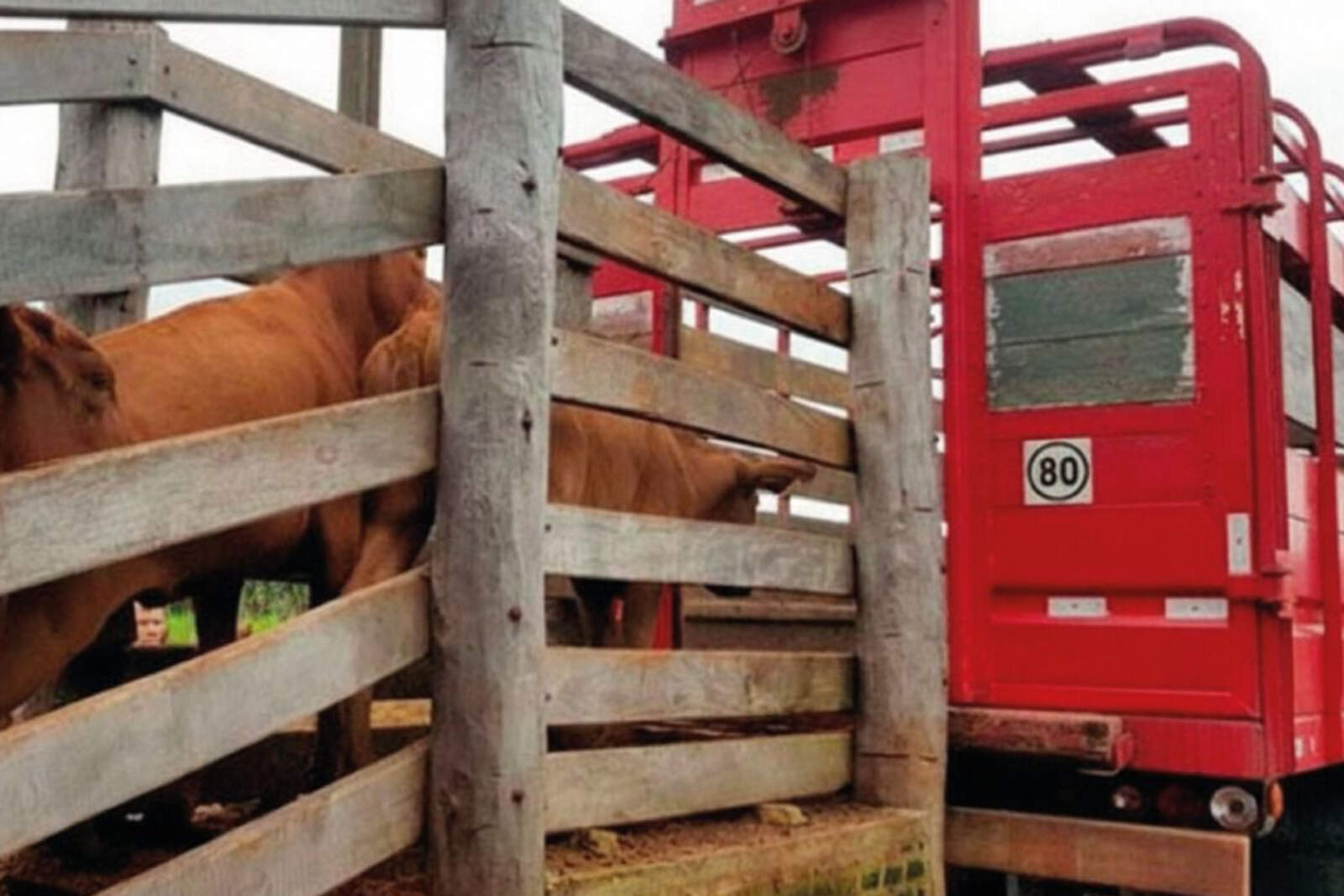
Bell Ville, La Cesira, General Cabrera, and Colonia Caroya will no longer charge the livestock movement permits, a tax that is collected solely for the transportation of animals, even within the same field owned by the producers.
“This is a measure to support producers and to allow the money that was allocated to these permits to be reinvested in favor of our economy”, said the mayor of Colonia Caroya, in northern Córdoba, Paola Nanini.
This tax is "a toll that provides no service in return." In other words, a theft.
Jesús María's Rural Society celebrates the removal of "a hidden tax"
Jesús María's Rural Society issued a statement in which they celebrate the removal of the "hidden tax."
The organization highlights the work that has been carried out with the Rural Societies of the Northwest Arc.
"We celebrate the exemption from payment of the Livestock Movement Permit for live cattle (Electronic Transit Document - DTE) by the municipality of Colonia Caroya," they stated.
"We hope that this initiative, demanded by the agricultural sector, will be considered by more mayors and community leaders who continue to maintain a toll that provides no service in return," they added.
Criticism against municipal livestock movement permits
A couple of months ago, rural organizations that make up the Northwest Arc bloc of Córdoba strongly criticized, through a statement, the Municipal Livestock Movement Permits, which they considered to be "one of the most regressive, unfair, and distorting mechanisms for the productive development of the interior."
"Billions of pesos that disappear into nameless coffers", was the title of the message.
“This hidden tax, which is levied on every head of cattle moved within Córdoba's territory, could have collected between 2024 and so far this year about 13.5 billion pesos (29.8 million pounds) in the name of an unconstitutional internal customs," they argued.
"What does this 'tax' give back to the community or the rural producer? Absolutely nothing", the organizations ask and answer.
They do not improve roads or contribute to sanitary control
"The permits do not represent a service provision, do not improve roads, do not contribute to sanitary control, do not finance local infrastructure. There is not a single concrete benefit that justifies their existence."
"However, month after month, year after year, the producer pays for a fee that functions as a true internal customs, expressly prohibited by the National Constitution," the statement said.
It then stated that "the situation borders on the absurd: a fee is charged even for moving livestock between fields owned by the same person. This is not about isolated cases. This is a widespread practice in dozens of municipalities and communities that have found in the permits an easy, opaque source of revenue sustained by the efforts of others. A source of revenue that no one wants to give up."