Flooded neighborhoods, cars swept away, and thousands of residents without power marked another day of chaos in Buenos Aires province, where the storm once again exposed the structural neglect of Buenos Aires's hydraulic system.
The scene is not new, but it is particularly uncomfortable for Governor Axel Kicillof himself, who during his 2019 campaign had been emphatic: "If there is a flood, it is the governor's responsibility." Today, his words return with force as the storm exposes the limits of his administration.
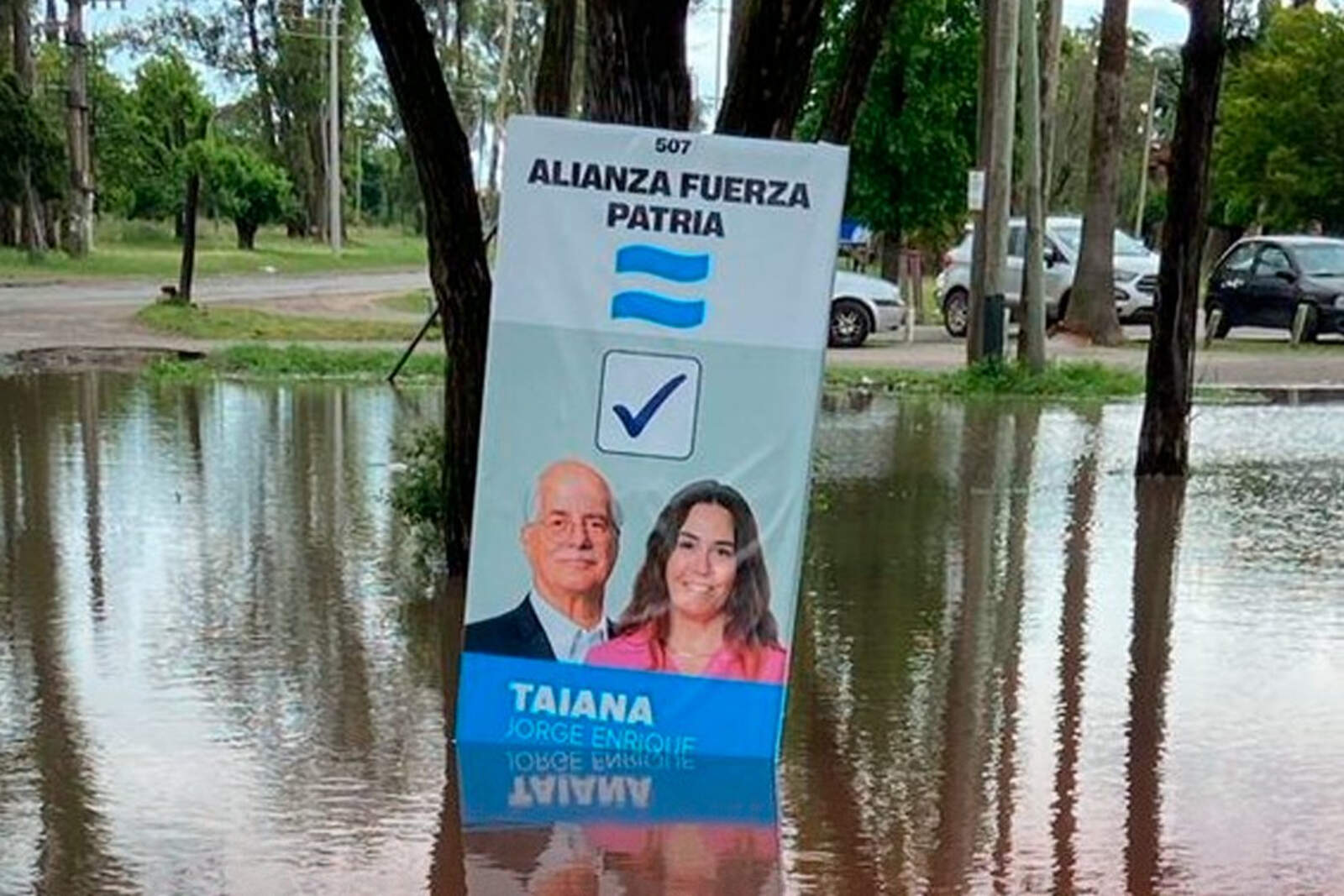
Candidatos de Fuerza Patria tapados por el agua en su territorio.
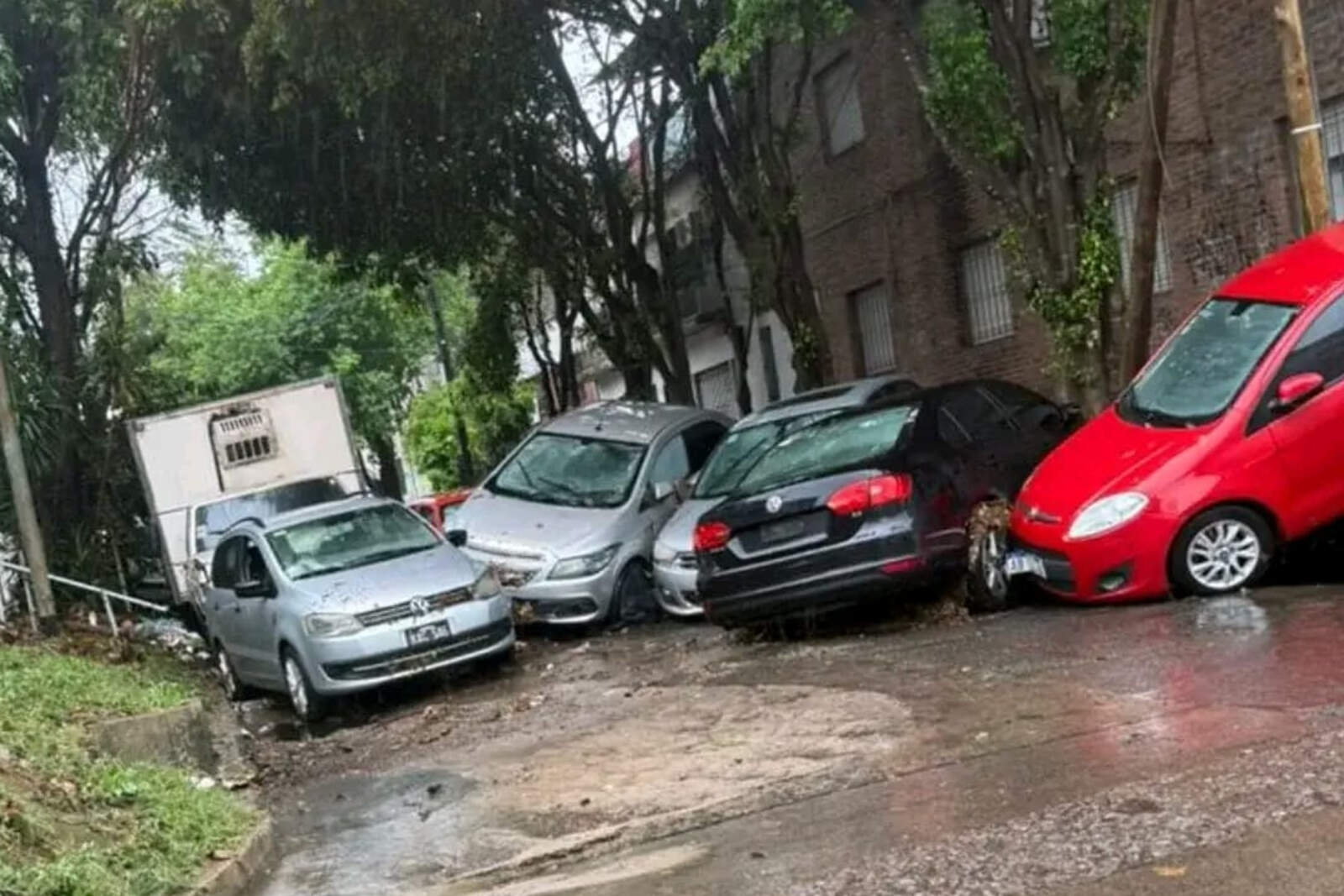
The hardest-hit district was San Martín, a Peronist stronghold and the home of Buenos Aires Province's Minister of Infrastructure and Public Services Gabriel Katopodis. In the Villa Maipú neighborhood, several vehicles were swept away by the current and ended up piled on top of each other. Residents spoke of "a river-like current" that swept through the streets during the early morning hours. Meanwhile, on Avenida General Paz, at the border between the City and the Province, a taxi driver died inside his car after becoming trapped by the water.
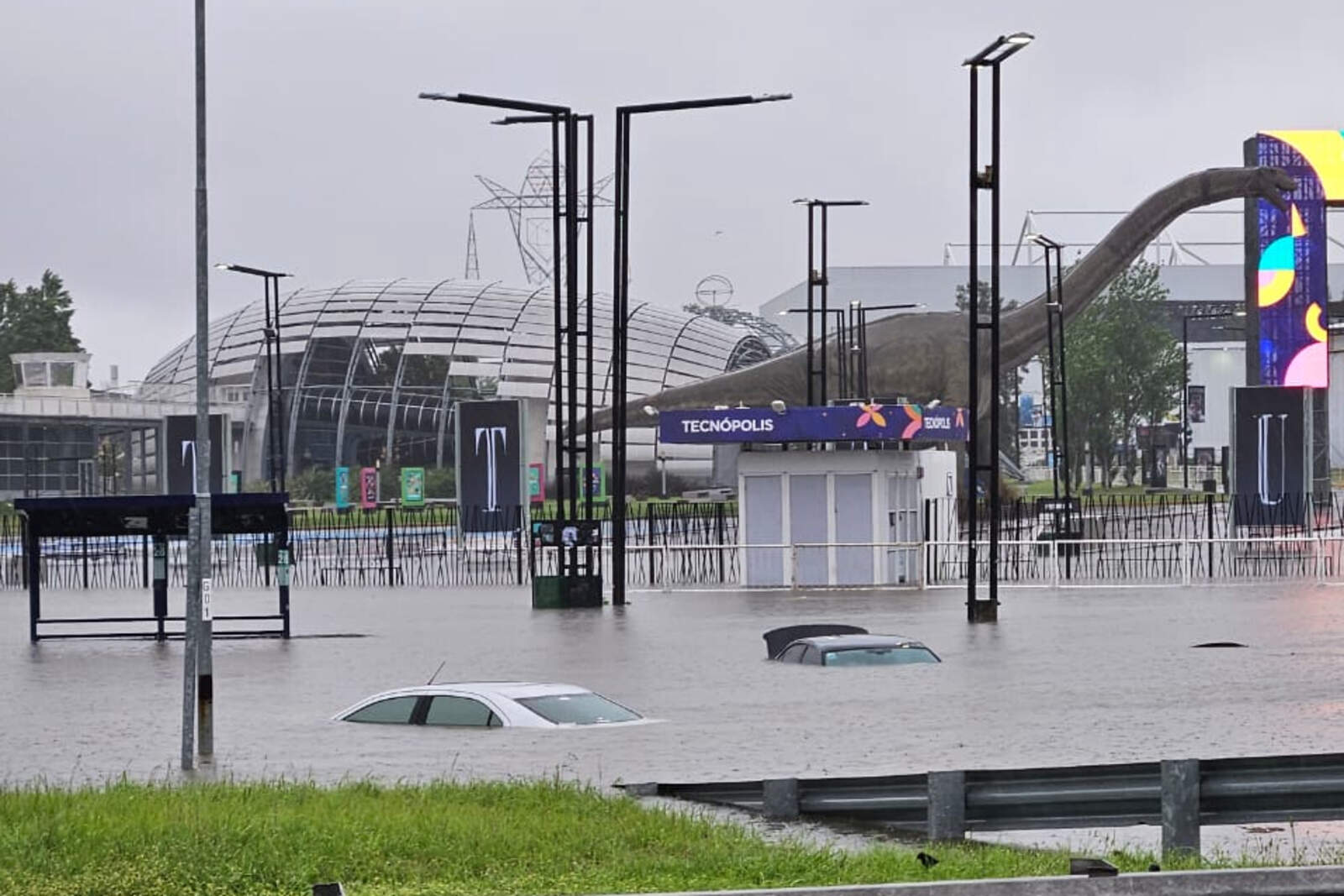
Tecnopolis bajo el agua.
Kicillof himself had pointed out years ago that responsibility can't be avoided: "In 2015 I learned that if there was a flood, it was the governor's fault. The government changed, and now it seems it's the mayor's fault," he said at the time. Today, he is the governor and the most affected districts belong to his own political space. The question arises on its own: who bears responsibility now?
Today, the argument Kicillof used to point fingers at others has turned against him. The hydraulic works he promised during his campaign remain unfinished or have made minimal progress, including improvements to the drainage system in Greater Buenos Aires and the expansion of reservoirs in the Reconquista basin. The same municipalities that in previous years suffered tragedies due to the rains —San Martín, La Matanza, Quilmes, and Lanús— still lack comprehensive solutions and, paradoxically, all are governed by Fuerza Patria.
El agua bajó en San Martin, los desastres quedaron.
Mayors are asking for help, residents are improvising barricades to stop the water, and the promises of a "present State" dissolve in the mud. The collapsed hydraulic infrastructure doesn't distinguish political color: water doesn't ask who governs, but it does show who failed to do what was necessary.
The storm once again exposed the structural limits of the country's most populous province and the weight of a debt that transcends governments. However, the person who currently leads Buenos Aires's Executive can't avoid what he himself defined as his own responsibility. The rains will pass, but the challenge of governing with planning and foresight will remain unsolved.