The Peronist governor of La Rioja, Ricardo Quintela, threatened to implement communism and reverse all reforms of President Javier Milei in the event that Peronism returns to power in 2027.
In statements that raised concerns in the economic sphere, the ultra-Kirchnerist leader claimed he would push for measures of strong state intervention.
“Whatever needs to be nationalized, we will nationalize. Whatever needs to be expropriated, we will expropriate. I say this so that they do not get excited about this unbalanced man,” Quintela stated, in a direct message to investors and with an explicit disqualification of President Milei.
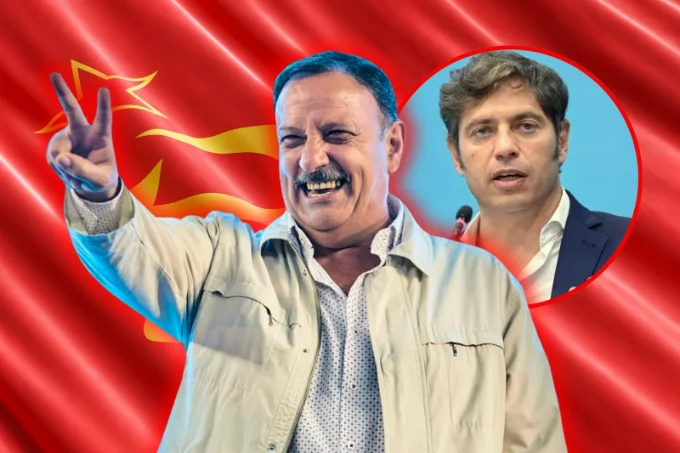
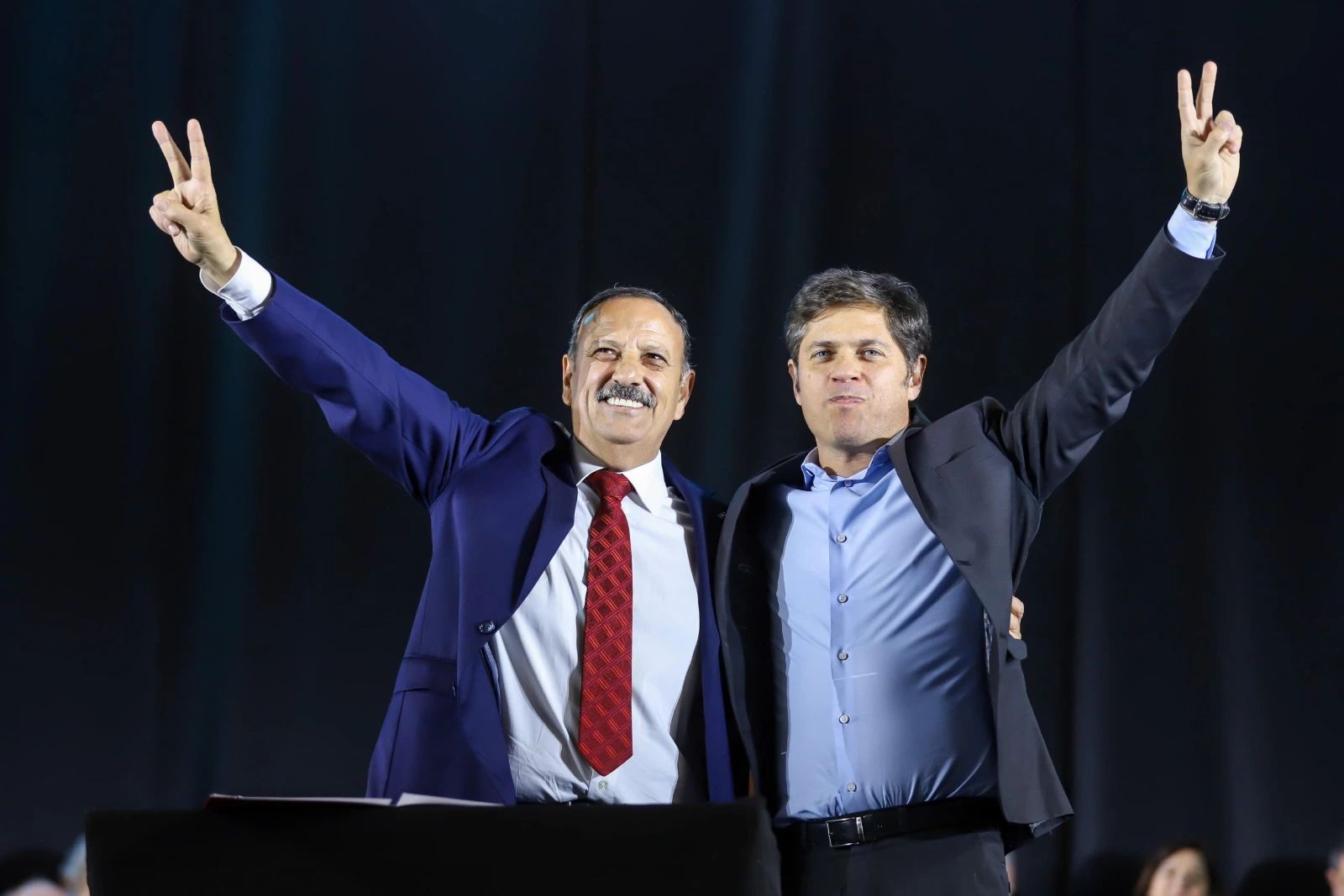
Ricardo Quintela and Axel Kicillof
The governor's threats were not limited to the economic realm. In the same interview, he also harshly questioned the electoral outcome that brought the current leader to power.
“I still do not understand how Argentine society voted this way. It embarrasses me not to have a president with characteristics. Not a single policy has been applied for the benefit of Argentine society, in any social sector that has benefited,” he expressed in statements to El Destape.
Regarding the economic indicators that the ruling party presents as achievements, Quintela denied everything. “It’s a lie, it’s false. Totally false,” he asserted when asked about variables such as the decrease in inflation.
The positioning of the Riojan leader occurs in a political context where he seeks to consolidate himself as a relevant figure within Peronism with an eye on the 2027 elections.
However, this attempt at leadership faces internal divisions that have recently become evident. Quintela promoted a meeting in La Rioja on July 31.
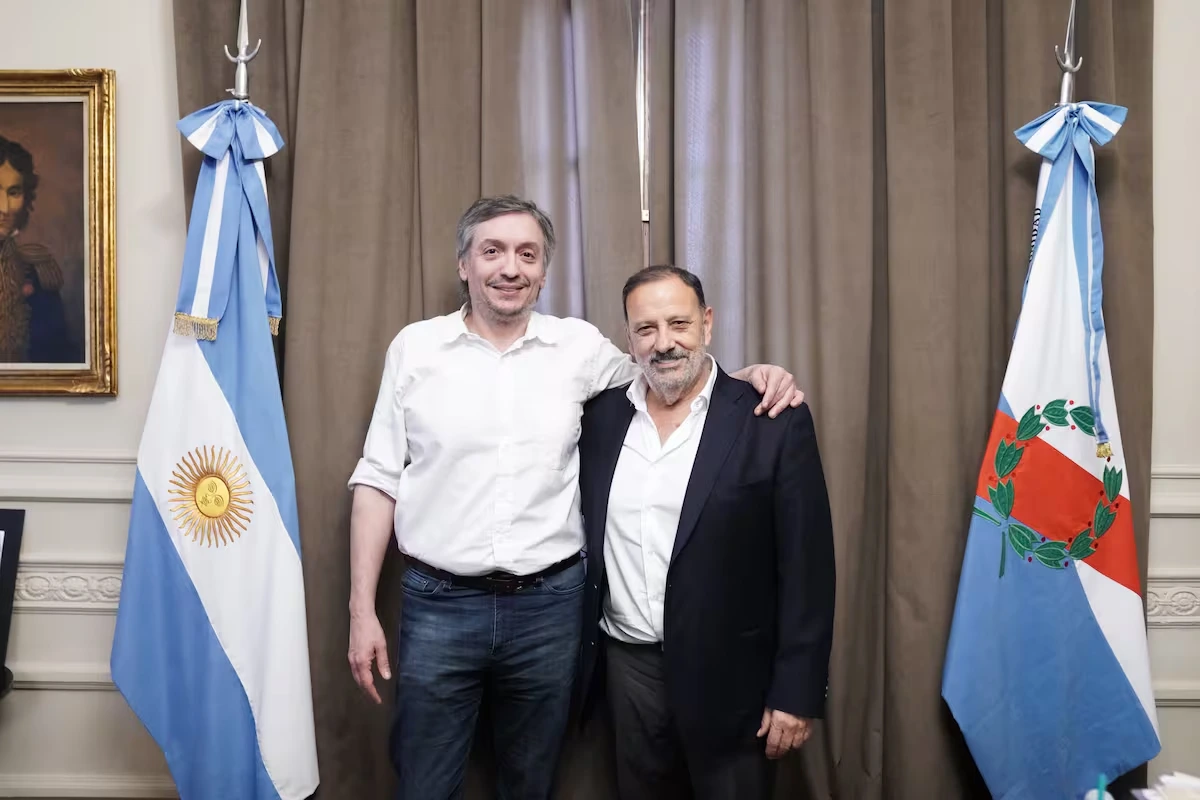
Ricardo Quintela and Máximo Kirchner
Deputy Máximo Kirchner participated in the event, but the Buenos Aires governor Axel Kicillof chose not to attend, citing prior commitments.
The absence did not go unnoticed and represents a new sign of political distance. Kicillof's circle maintains that a potential joint photo in that context would imply a “top-level agreement,” a methodology that his sector rejects.
Despite the tensions, Quintela assured that he is maintaining conversations to build a wider electoral alternative. “We are discussing everything. We could head the list with a force that aligns with the majority of Peronism, which could be a candidate capable of leading and governing the country with a forward-looking perspective,” he noted, while mentioning contacts with sectors of Kirchnerism and with socialist leaders.
The governor's threats, marked by a confrontational tone and proposals that generate concern, again reflect the extreme left initiatives of Peronism and its difficulties in showing internal cohesion.