
There are countries that need to convince entrepreneurs to invest. Argentina spent too much time doing something even worse: convincing them that investing could be a sophisticated way to voluntarily place themselves in the hands of the State. Tax changes, currency controls, restrictions, new regulations, and rules modified when capital was already sunk transformed a normal economic activity into a political gamble.
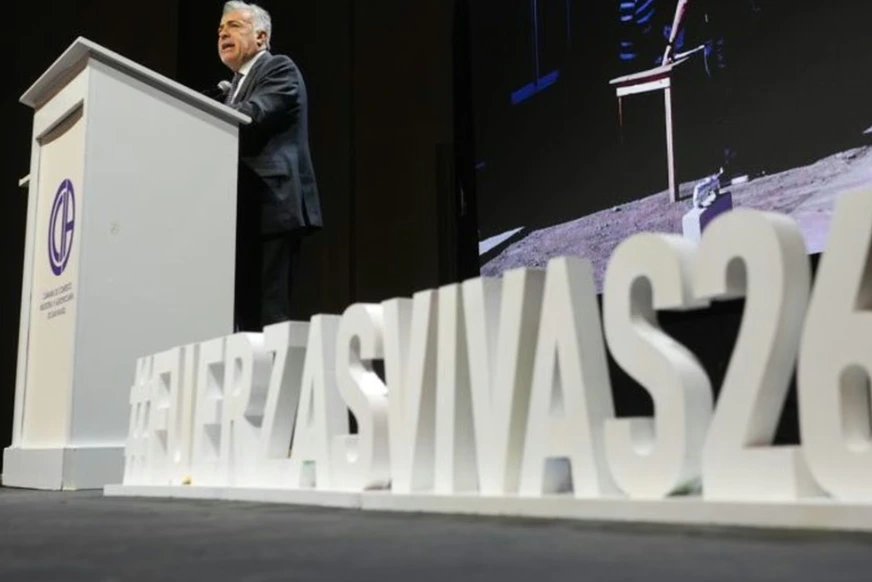
The RIGI was born precisely to start breaking with that history. The first Business Round held this week in Rosario brought together 43 large companies and organized more than 2,100 business meetings, while the Government reported that more than 1,200 suppliers are already linked to projects approved under the regime. But the truly interesting fact is not how many companies entered a hall, but why they are now willing to put in capital.
Fiscal stability, currency predictability, clear customs rules, legal security, and sufficiently long horizons to recover investments that take years to mature. Capital does not need a government official to congratulate it for investing or speeches about business patriotism. It needs to know what taxes it will pay, if it can import a machine, what will happen to the dollars it generates, and if a contract signed today will still mean the same thing in ten years.
That should be normal. In Argentina, it has stopped being so.
The absurdity was evident for decades: a country desperate for dollars simultaneously built a system dedicated to punishing those who could bring them in. Investments were demanded while controls multiplied; exports were requested while withholdings and restrictions appeared; production was required while each administration reserved the right to rewrite the conditions once the entrepreneur had already put in the money. The Argentine problem was never a lack of entrepreneurs. There are plenty of reasons why many have preferred not to invest.
Here lies the true political significance of the RIGI. The regime does not create entrepreneurs nor does it replace private decision-making. It attempts to remove part of the risk that the Argentine State itself had created. And when that risk decreases, something occurs that decades of dirigisme seemed incapable of understanding: capital finds for itself where opportunities exist.
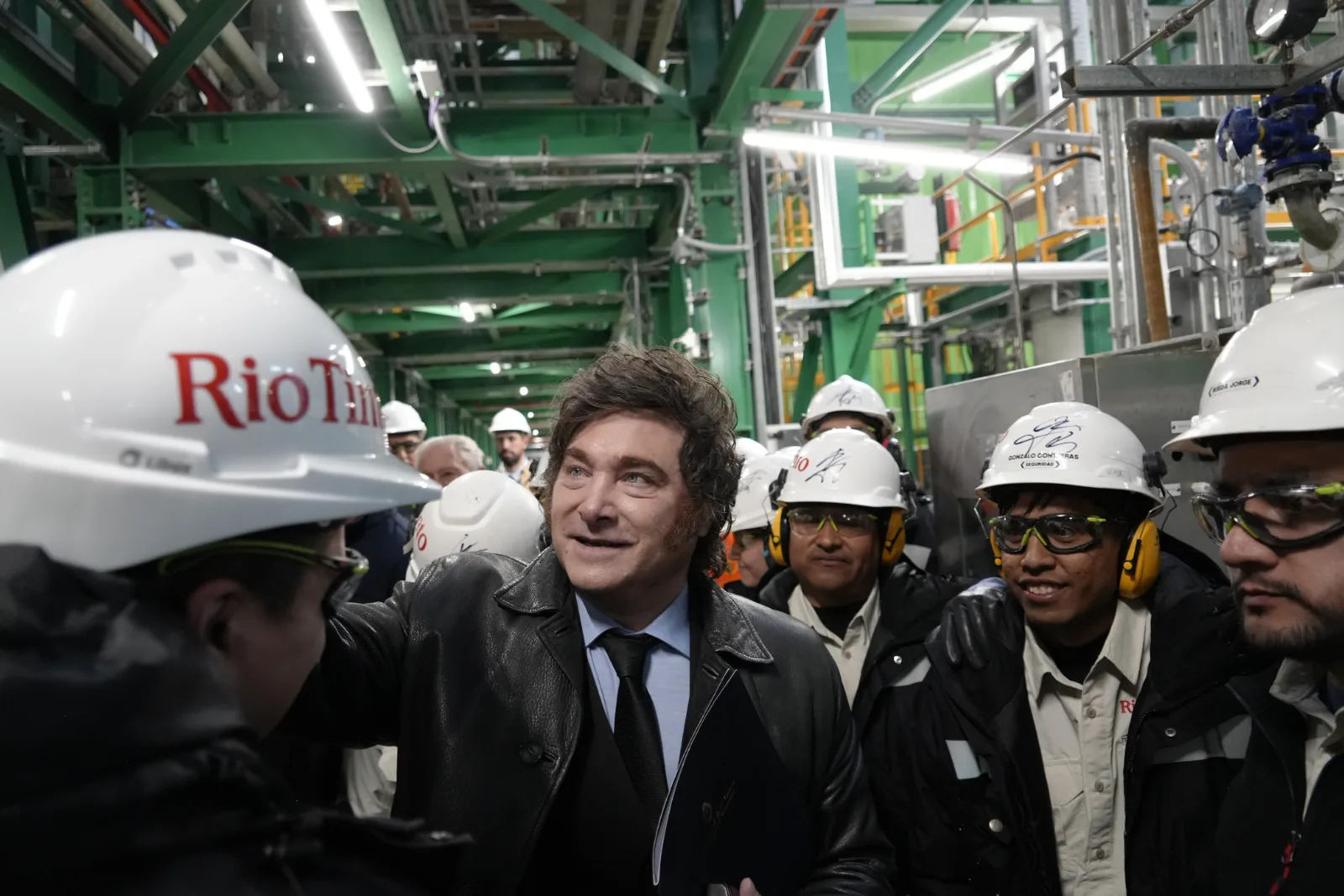
Projects are starting to show the magnitude of that process. In Catamarca, Milei inaugurated new facilities related to Rio Tinto's Fénix project, whose expansion involves investments of hundreds of millions of dollars. He also highlighted that 411 of its 413 suppliers are Argentine. This fact helps dismantle another reflection of old politics: believing that attracting large capital means benefiting a few companies isolated from the rest of the economy. A mine, a gas pipeline, or an industrial plant require metallurgy, transportation, engineering, software, maintenance, energy, and hundreds of contracts around the main project.